THE BENEFITS OF INVESTMENT CASTING
✓
✓
✓
✓
✓
MATERIALS AND TECHNICAL CAPABILITIES
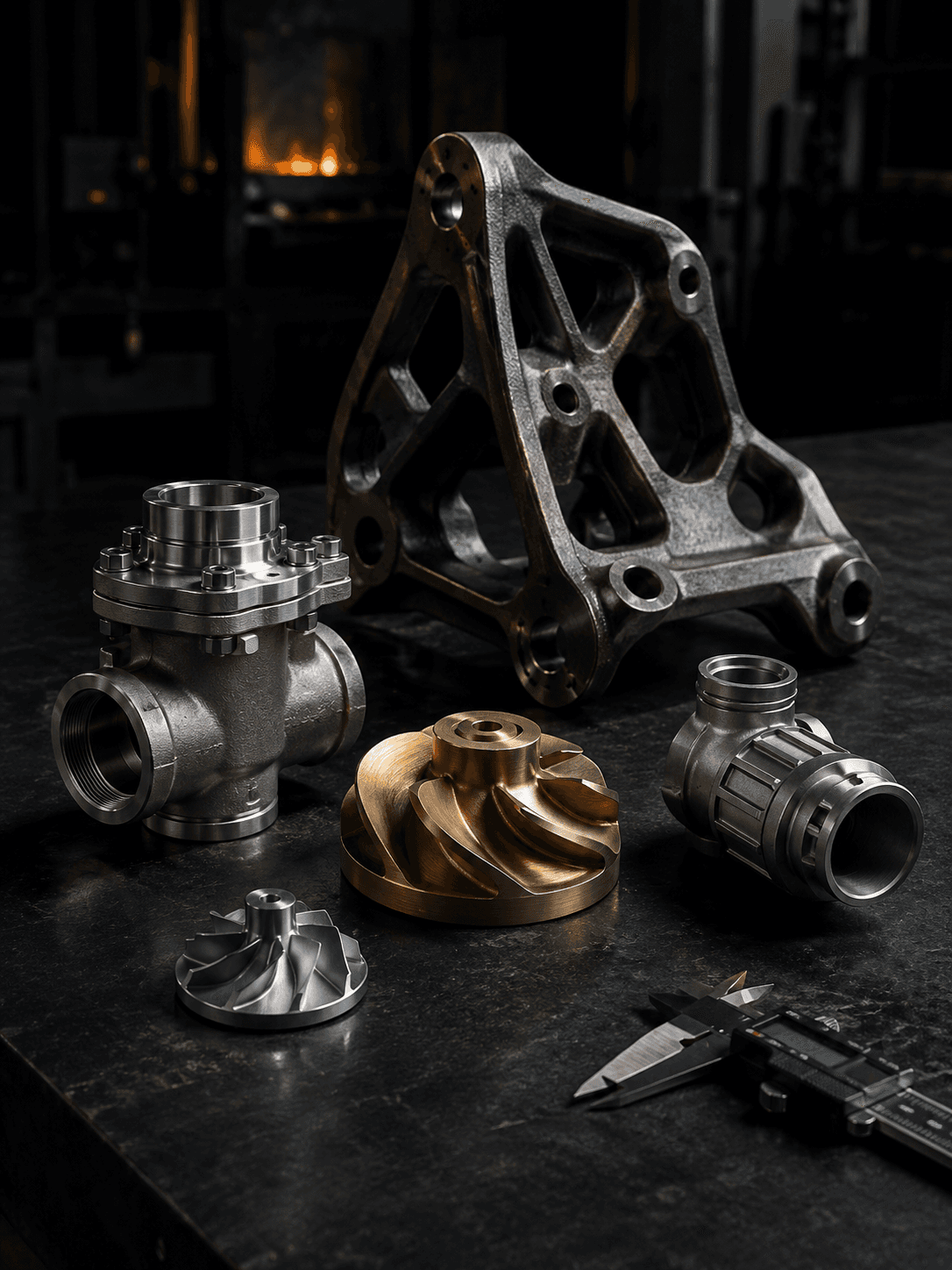
VALVES & PUMPS
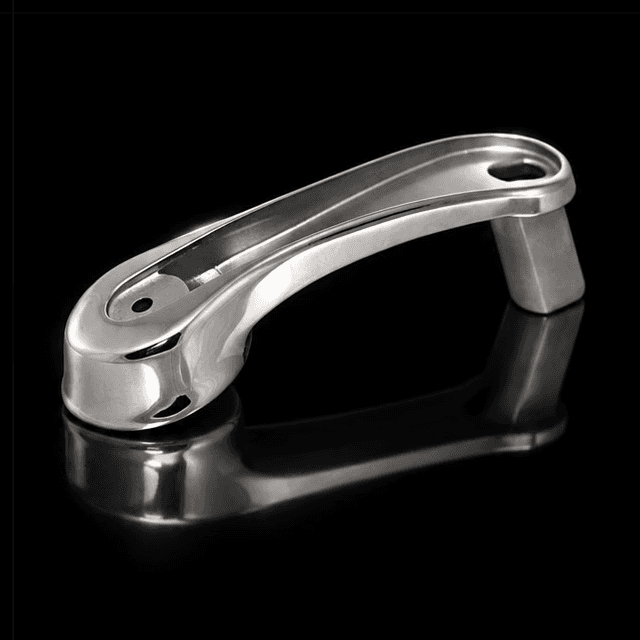
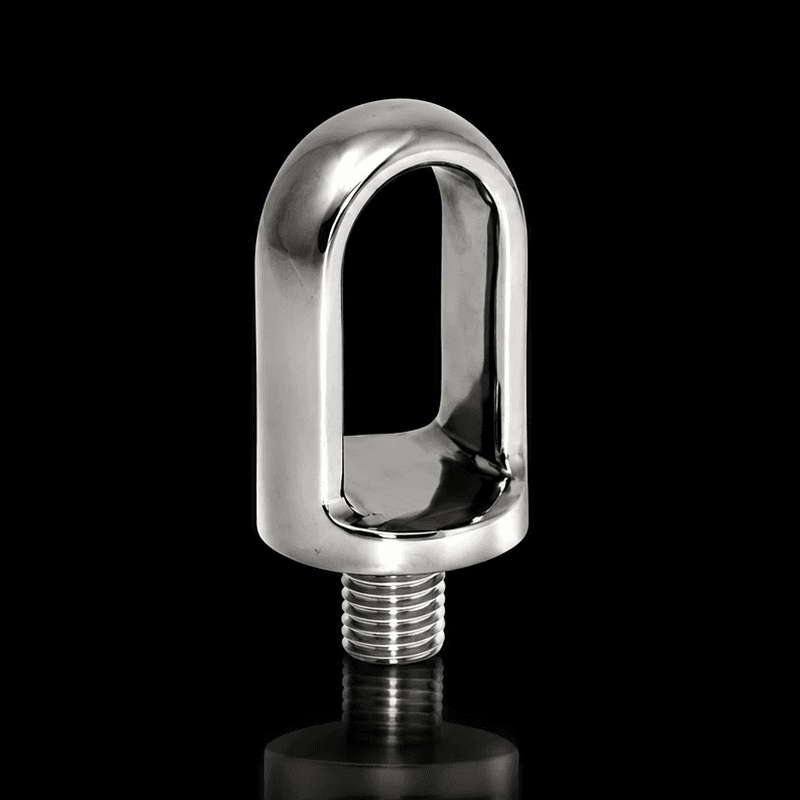
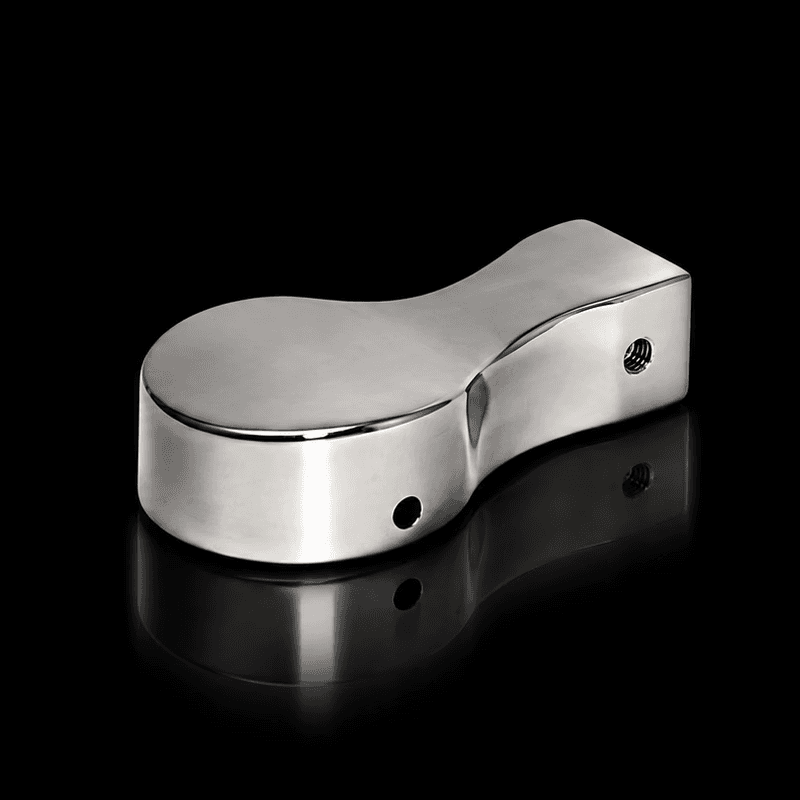
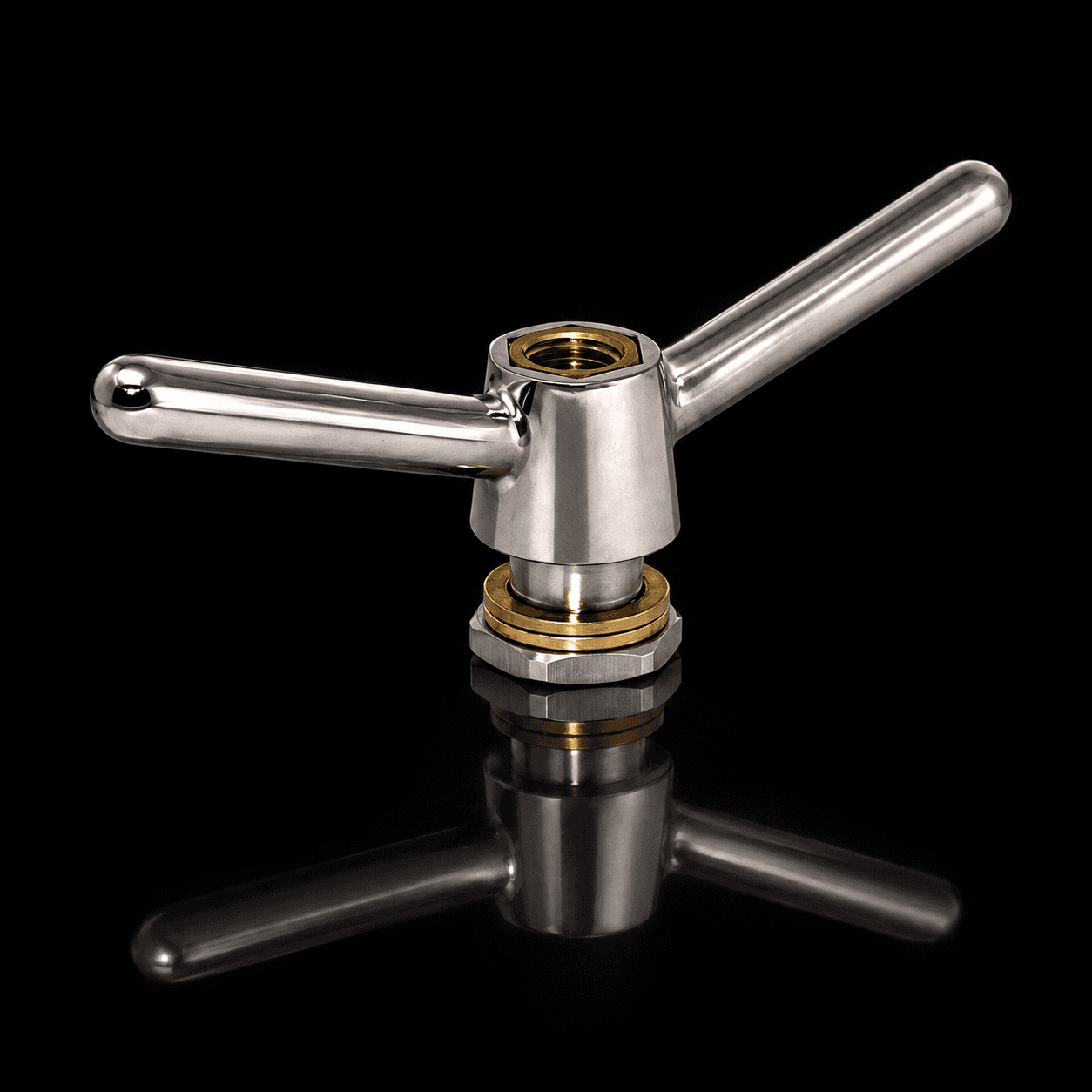
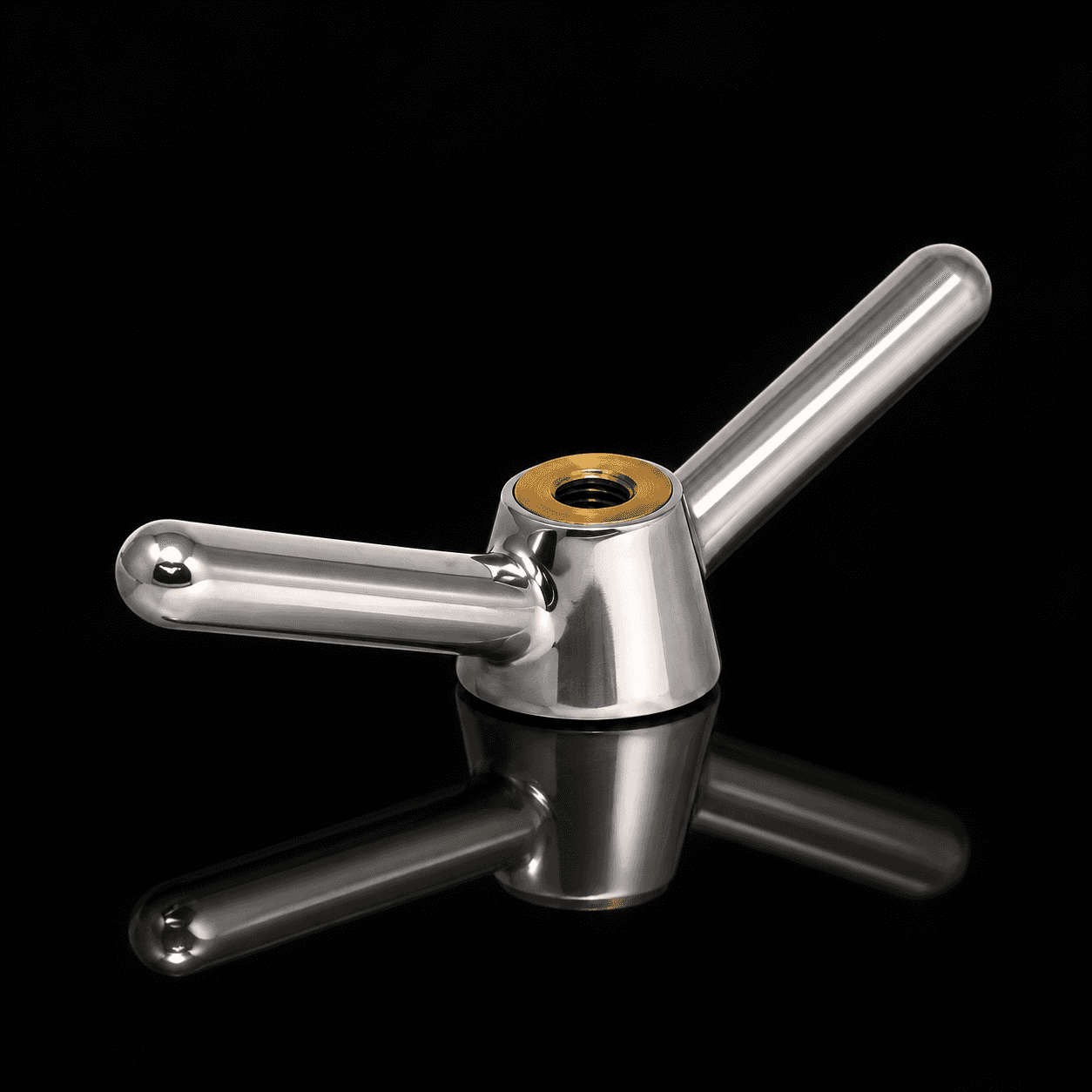
How exactly does investment casting work?
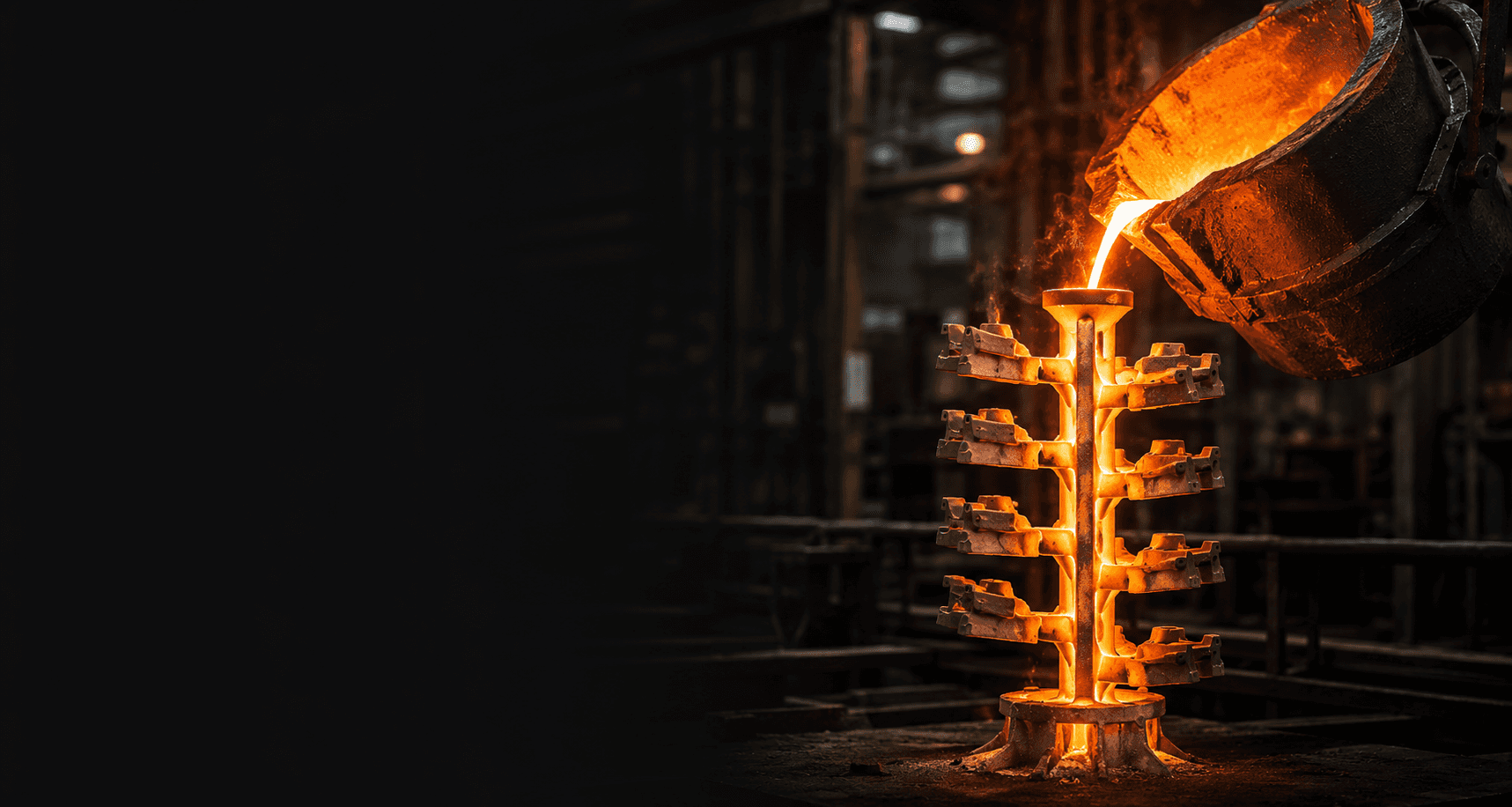
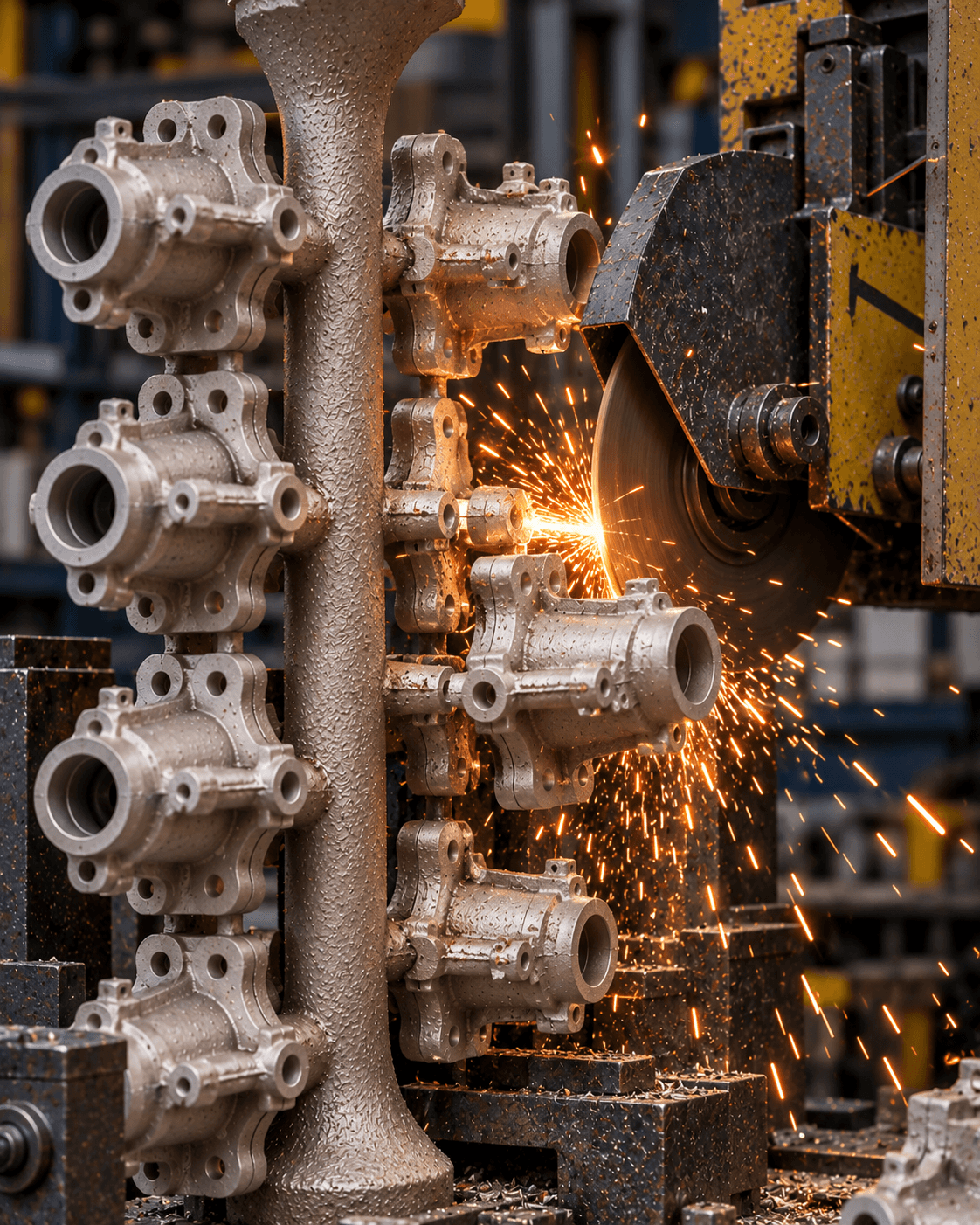
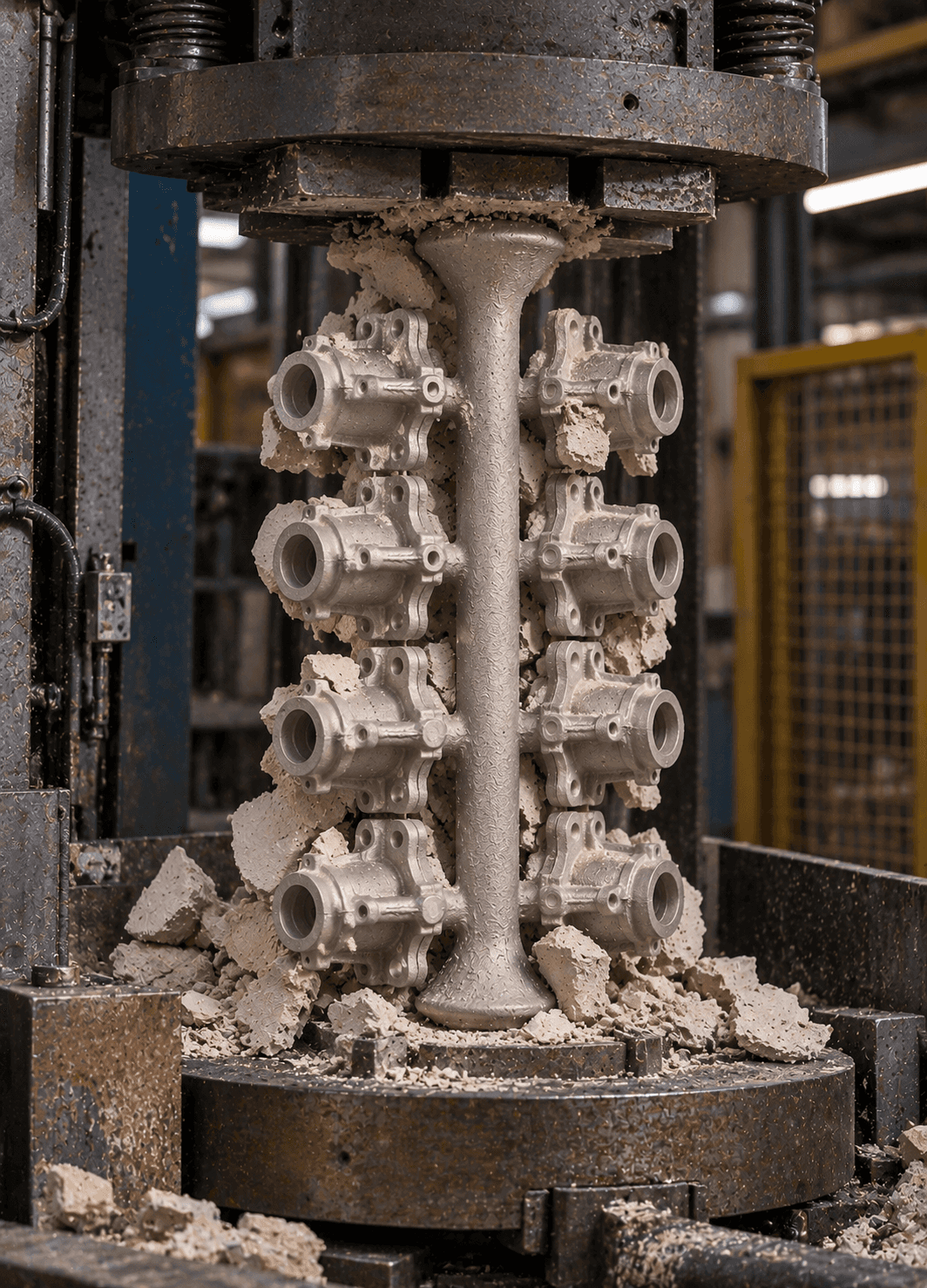
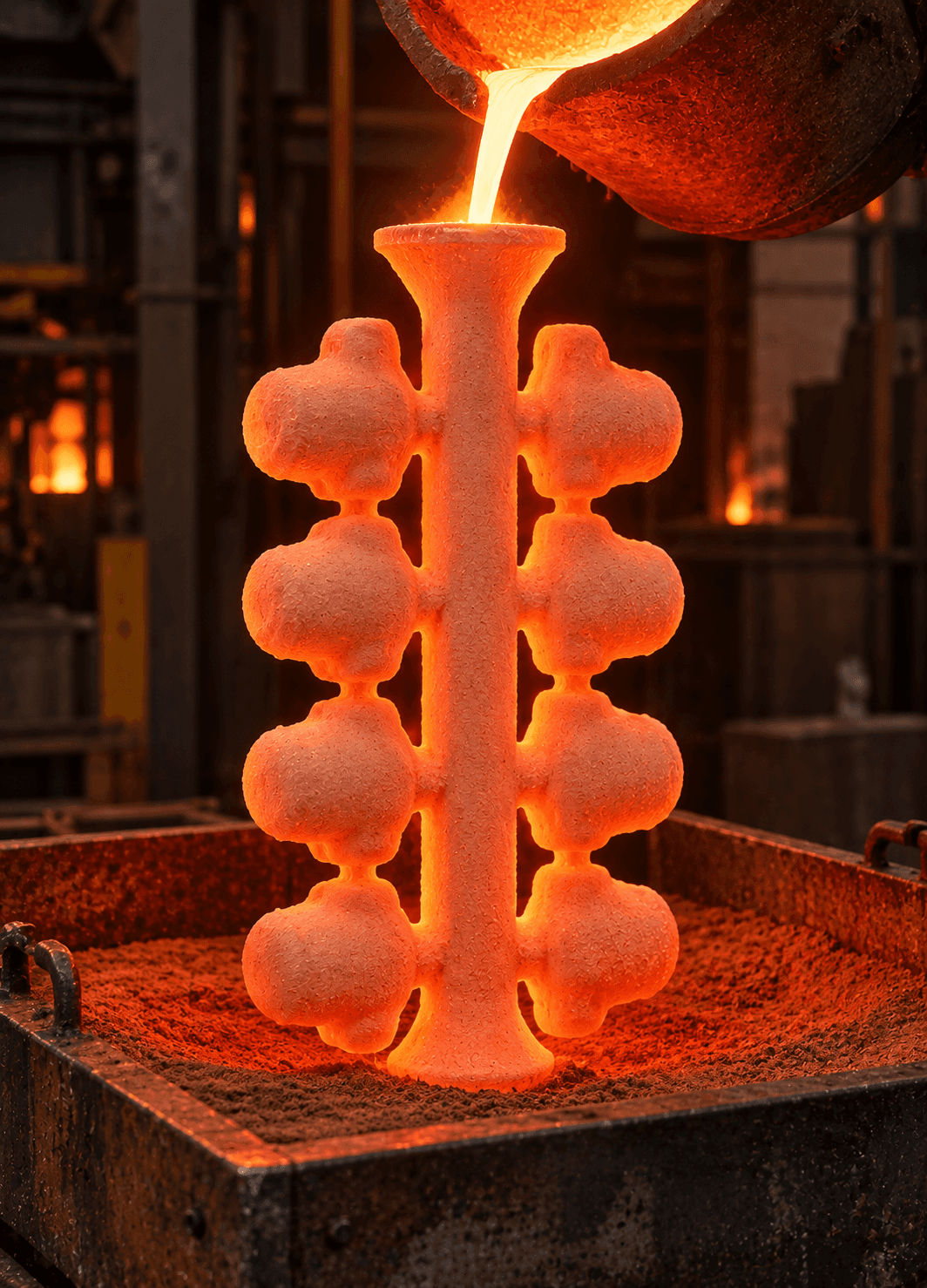
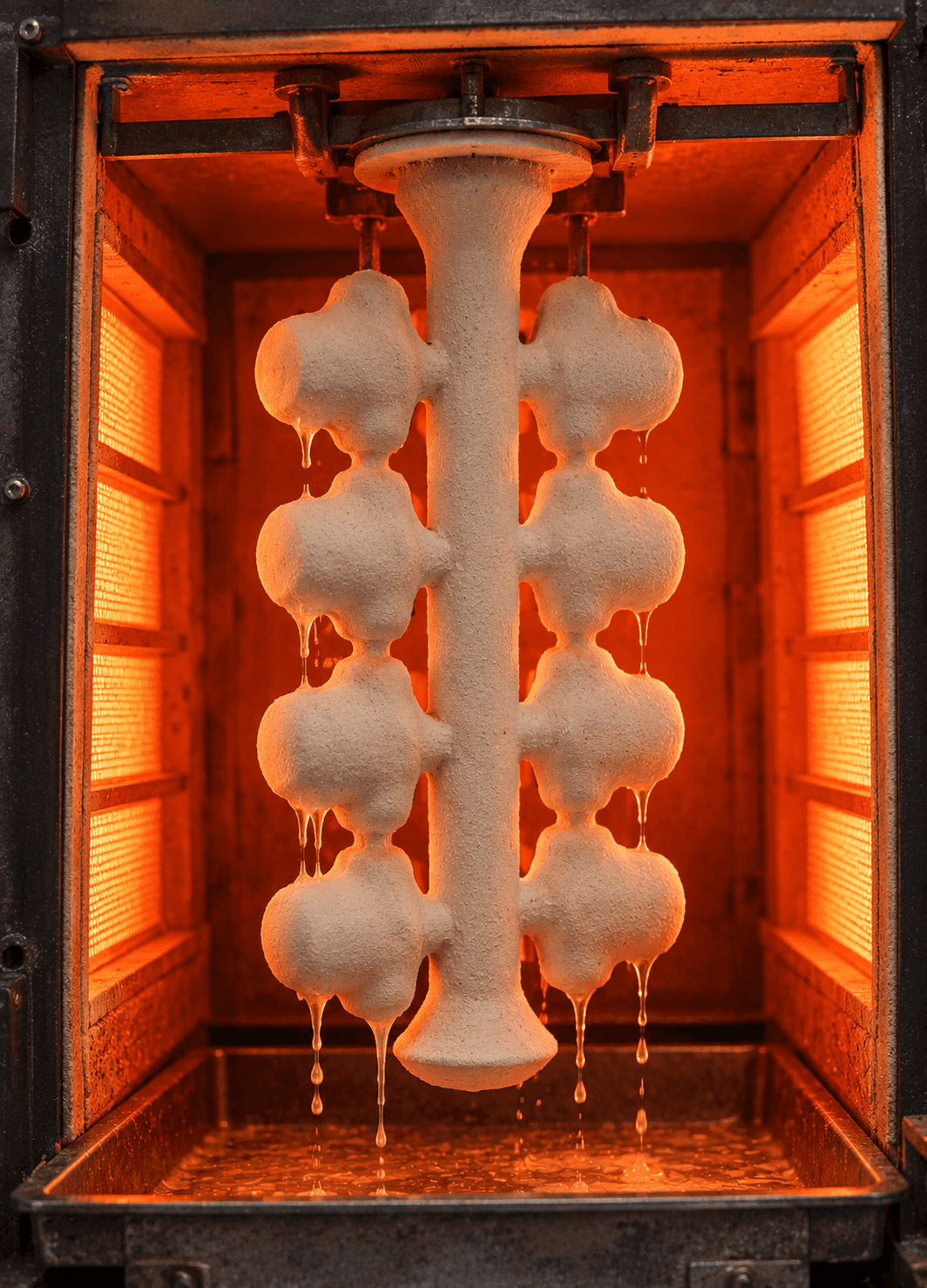
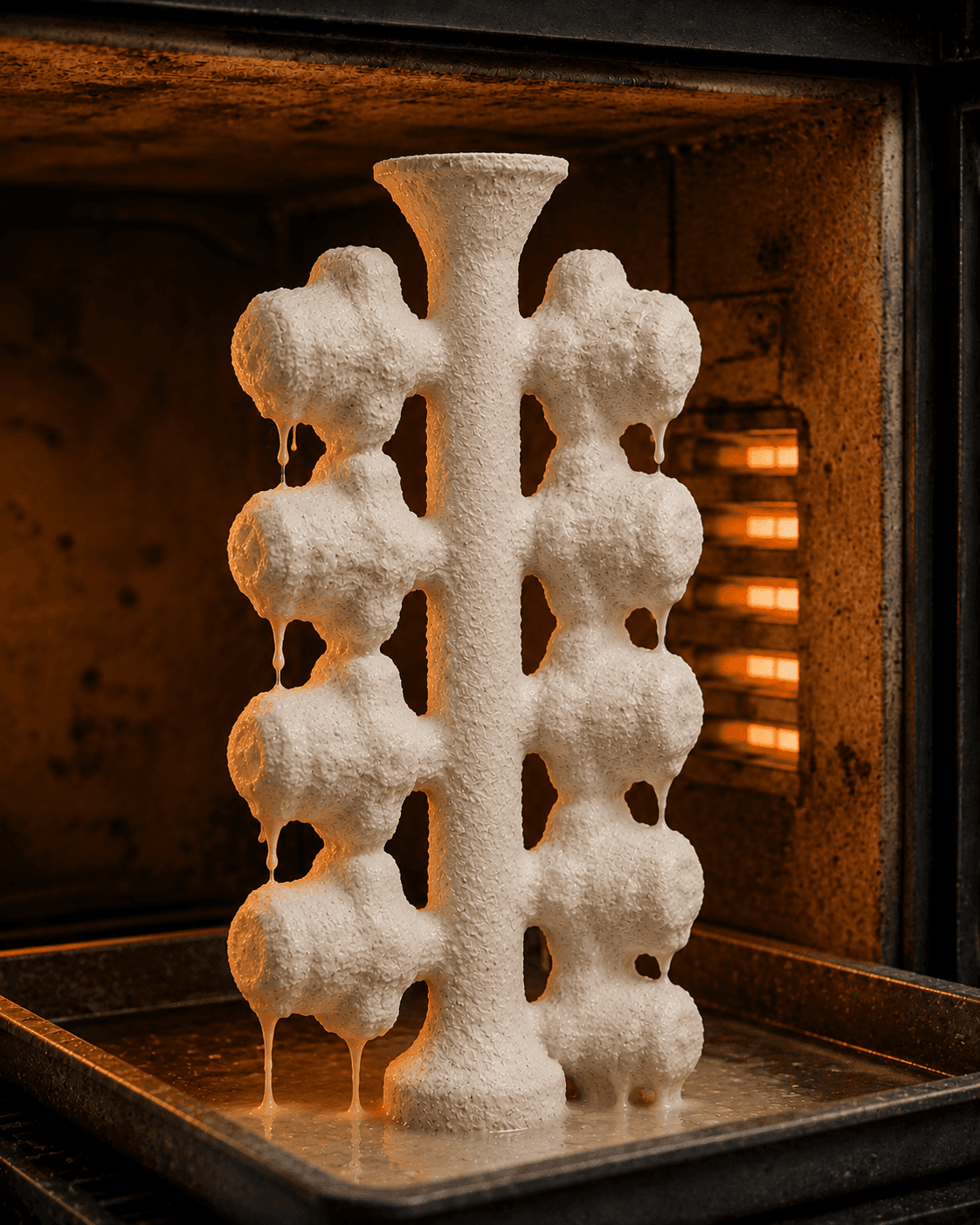
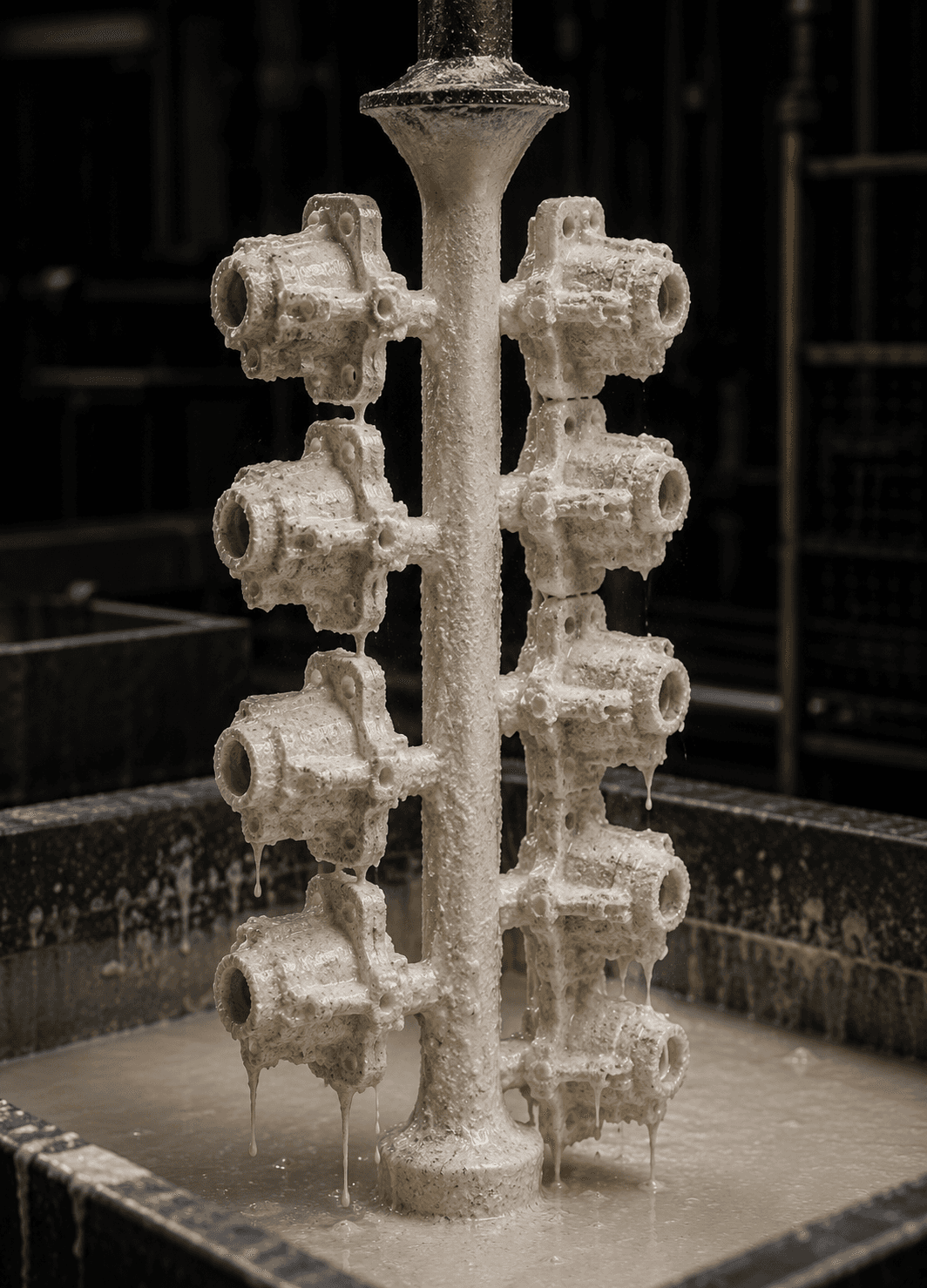
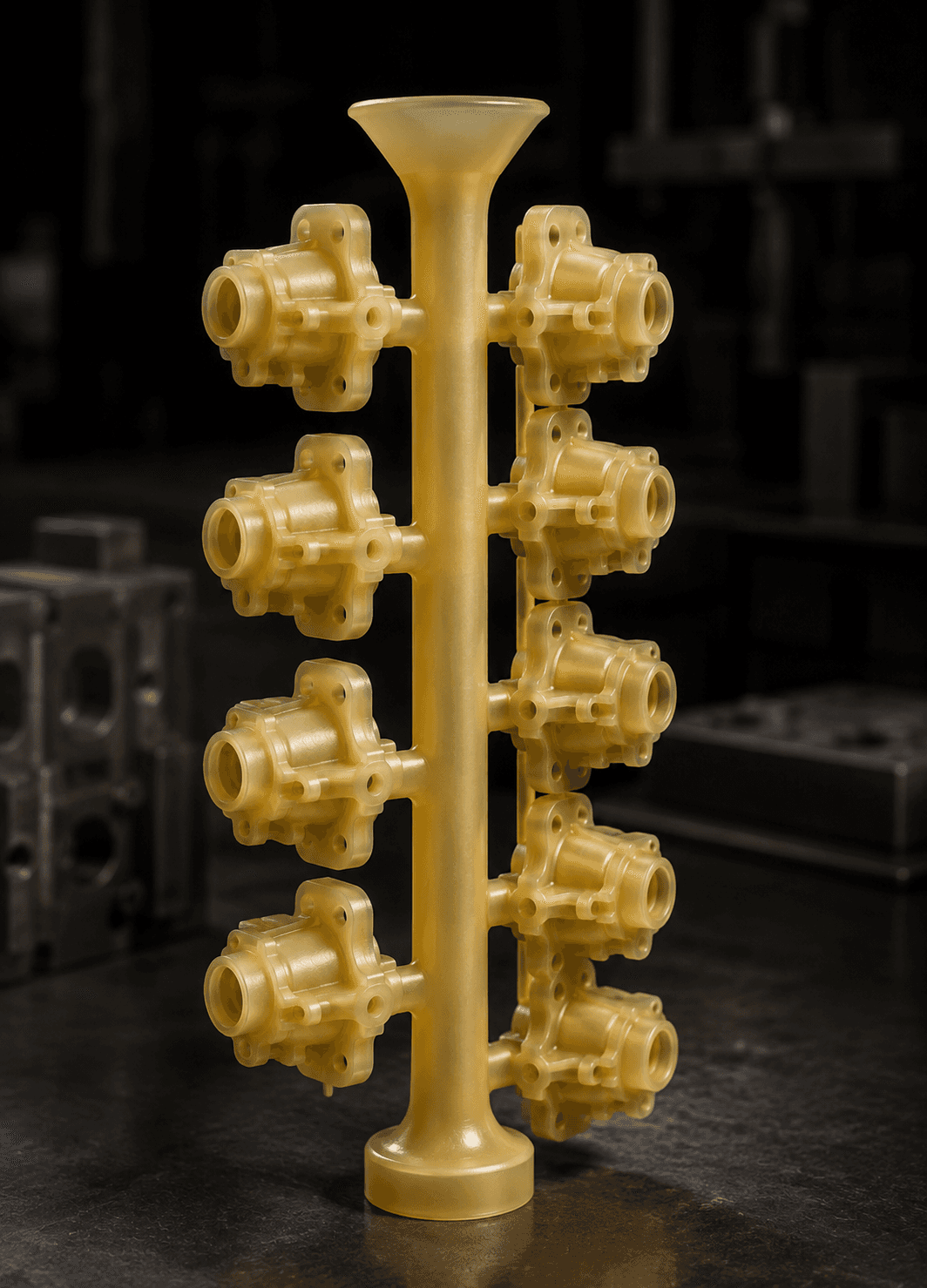
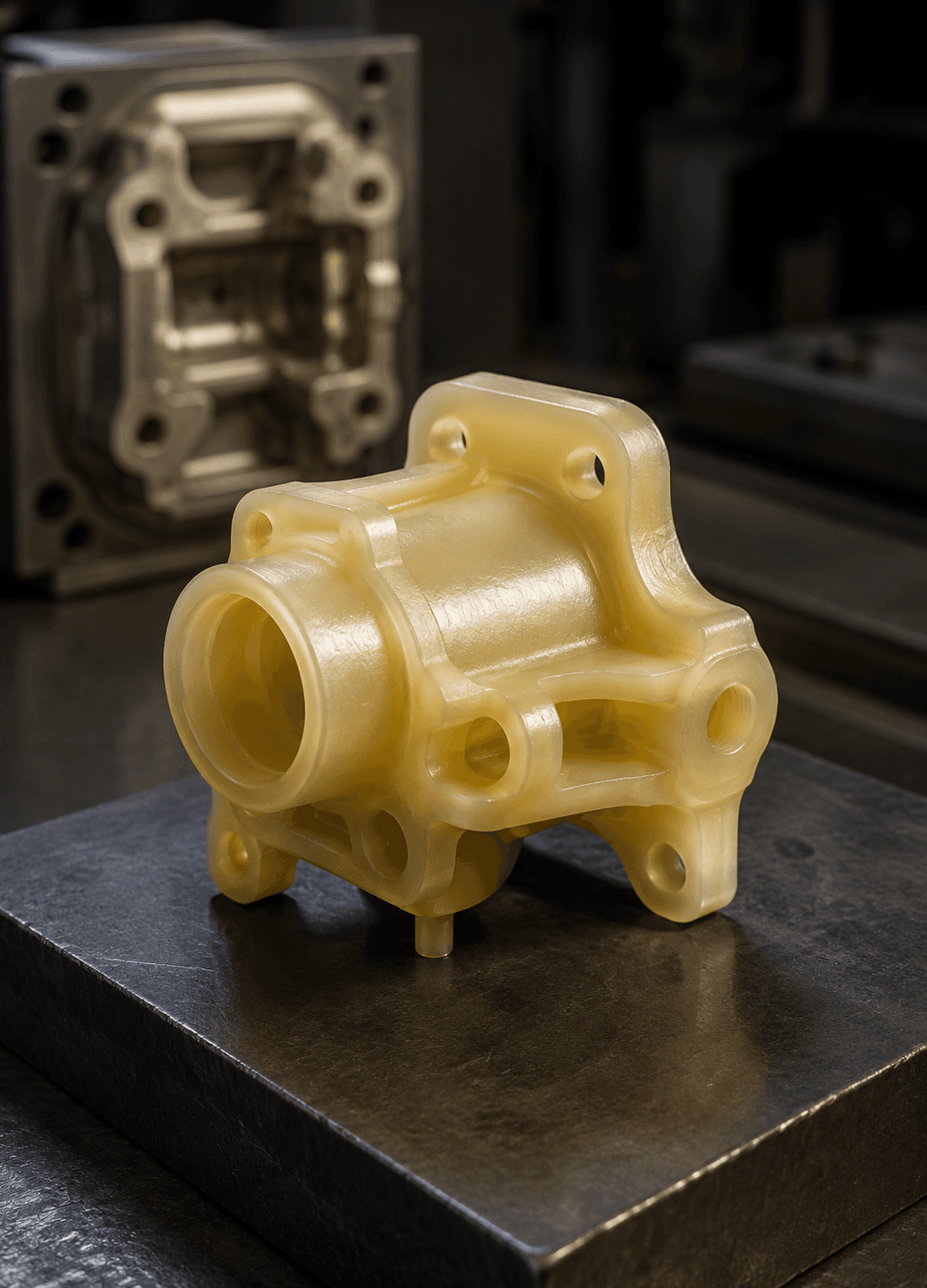
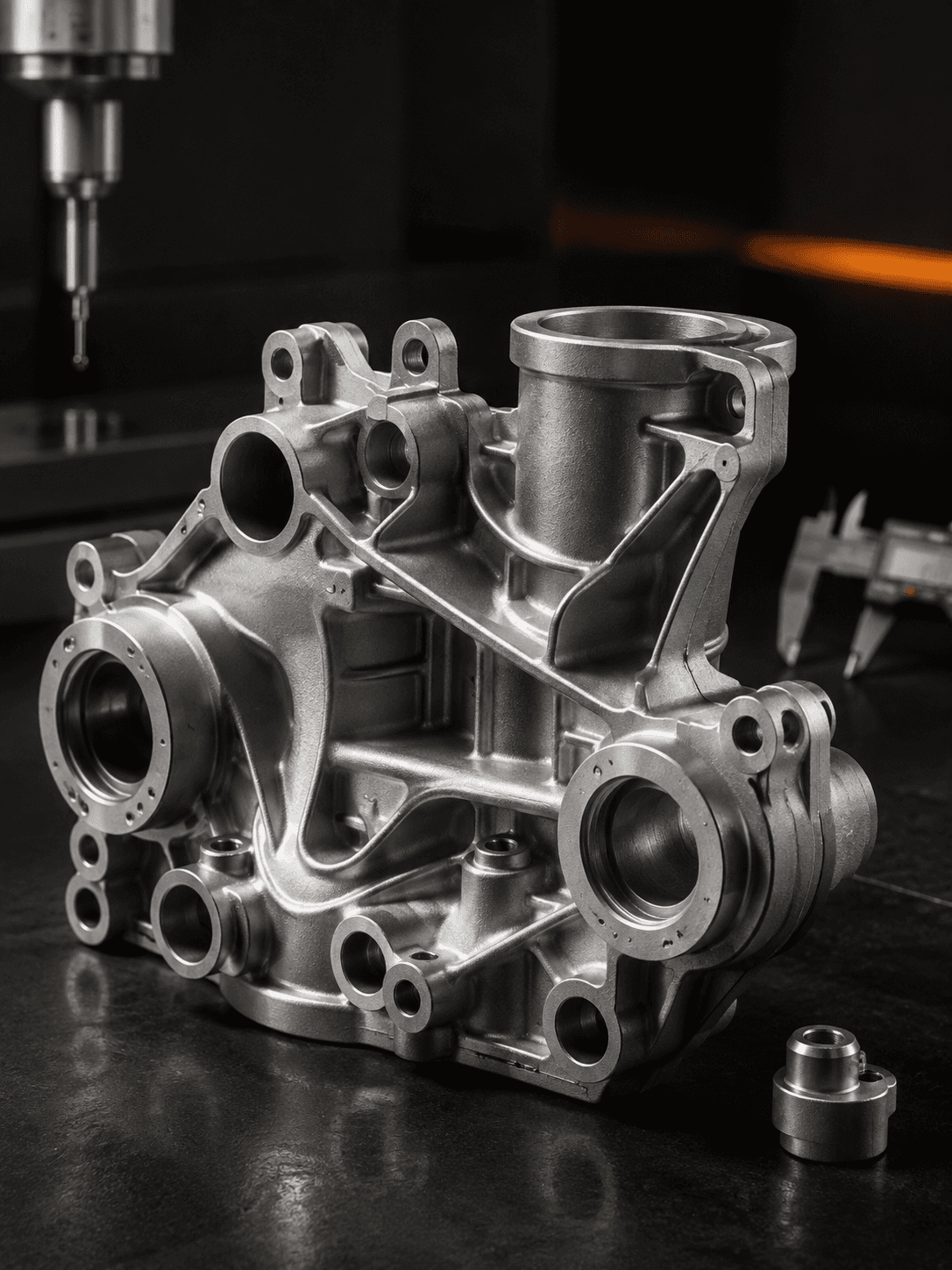
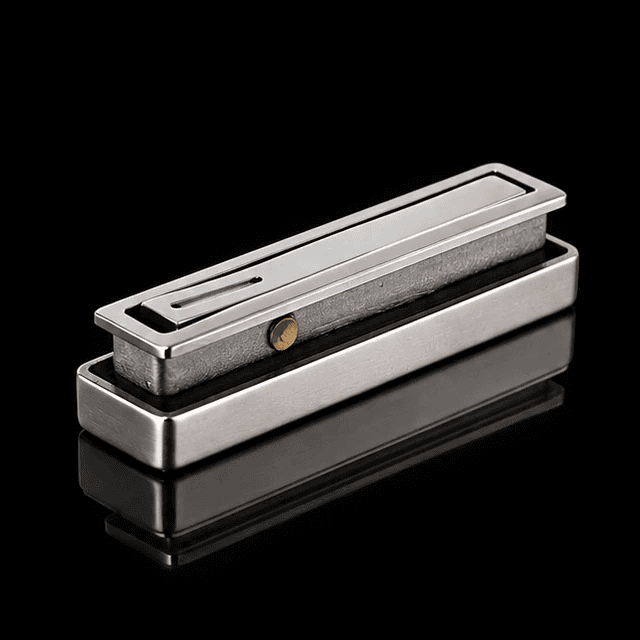
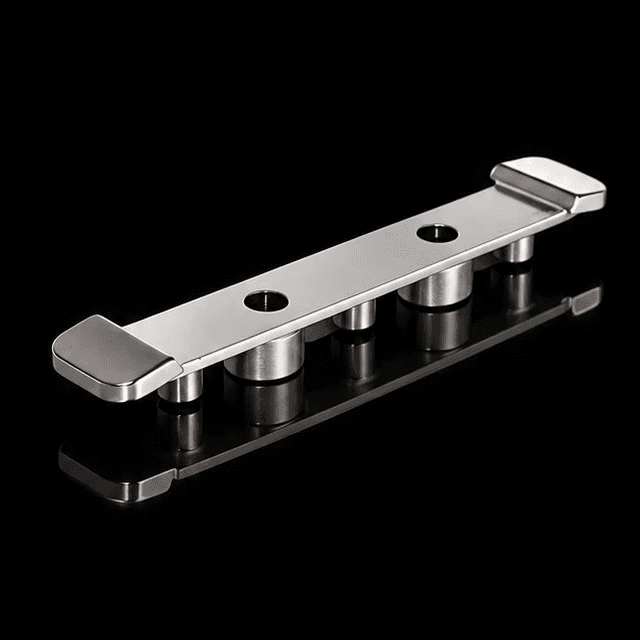
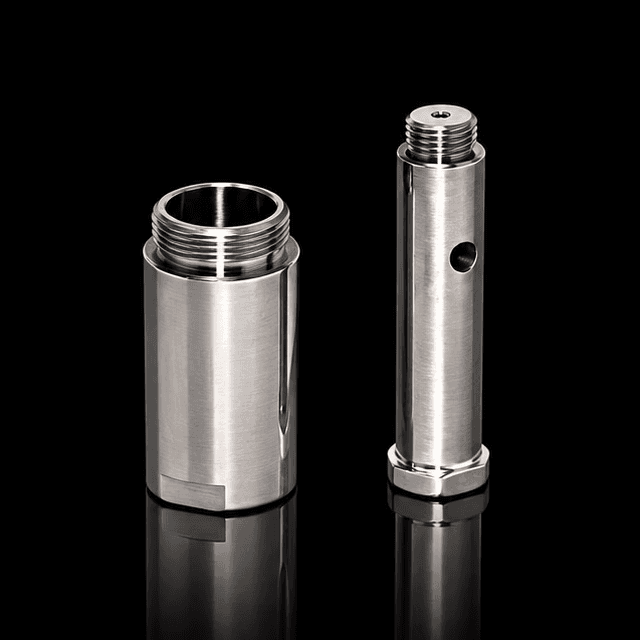
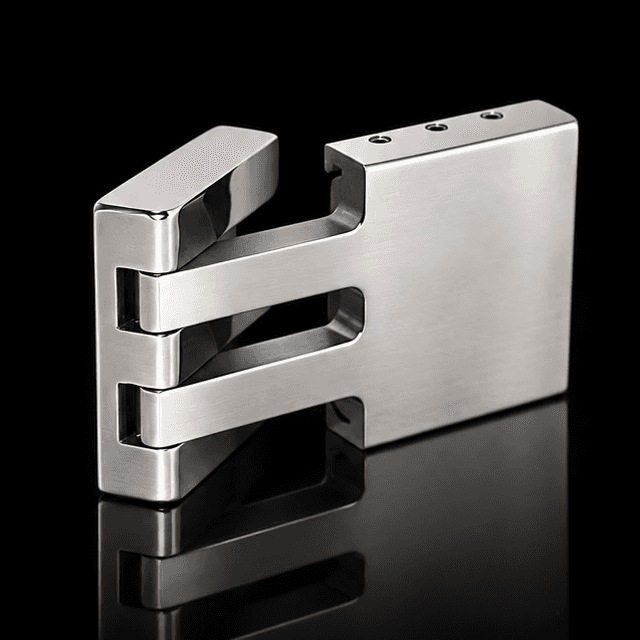
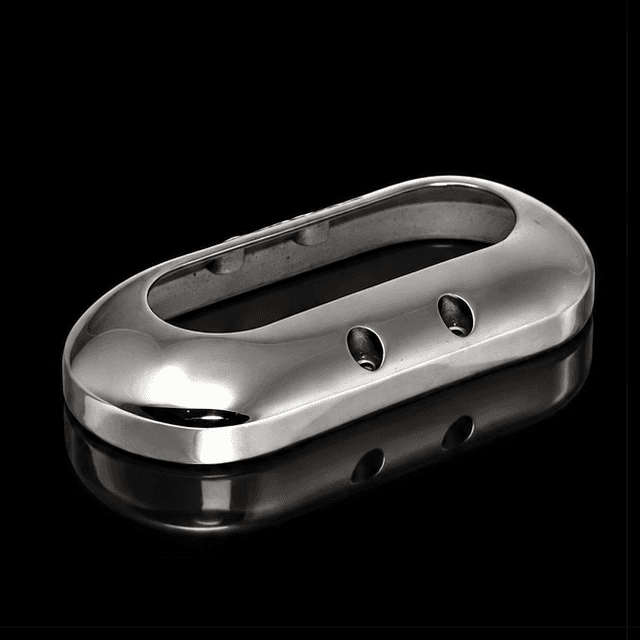
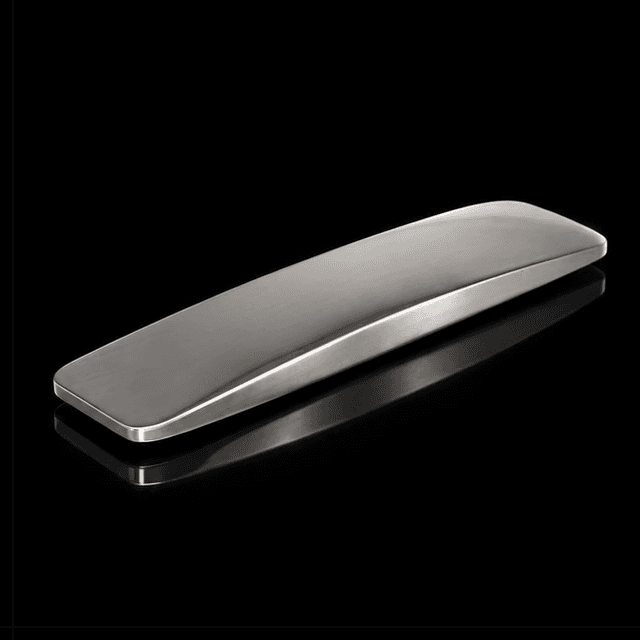
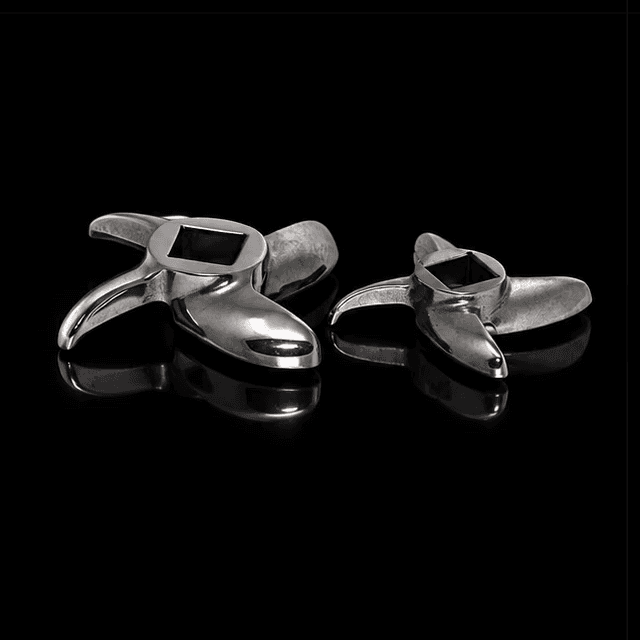
EDR Fittings Srl supplies high-quality investment castings using the lost-wax process to a wide range of industrial sectors. What is investment casting? It is a precision casting method that produces complex parts of very small dimensions. The process starts with the creation of a wax pattern. This is assembled into a cluster and the whole unit is then coated with several layers of ceramic material to build the shell. After firing, the wax is melted out, leaving a cavity for pouring the molten metal. Once the metal has cooled, the ceramic shell is broken off and the part undergoes all the usual finishing treatments.
What distinguishes casting from die casting?
Casting is simply the method used to pour molten metal into a mold to give the component its shape. Die casting, by contrast, uses metal dies and high injection pressure to give the component its surface finish and final precision. An alternative to the two general casting techniques mentioned above is investment casting. It uses lost wax and can produce very thin, complex parts with high surface quality. EDR Fittings Srl specializes in the production of precision components in steel, brass, bronze and other alloys.
How is lost-wax casting carried out?
Lost-wax casting takes place in a few key stages: making the wax pattern, assembling it on a cluster, ceramic coating to form the shell, dewaxing the mold, pouring the molten metal and then removing the ceramic shell. It is a process that delivers complex parts with smooth surfaces and accurate details. EDR Fittings Srl applies this method to make high-quality investment castings for the automotive, precision mechanics and furniture sectors.
How is material conformity verified?
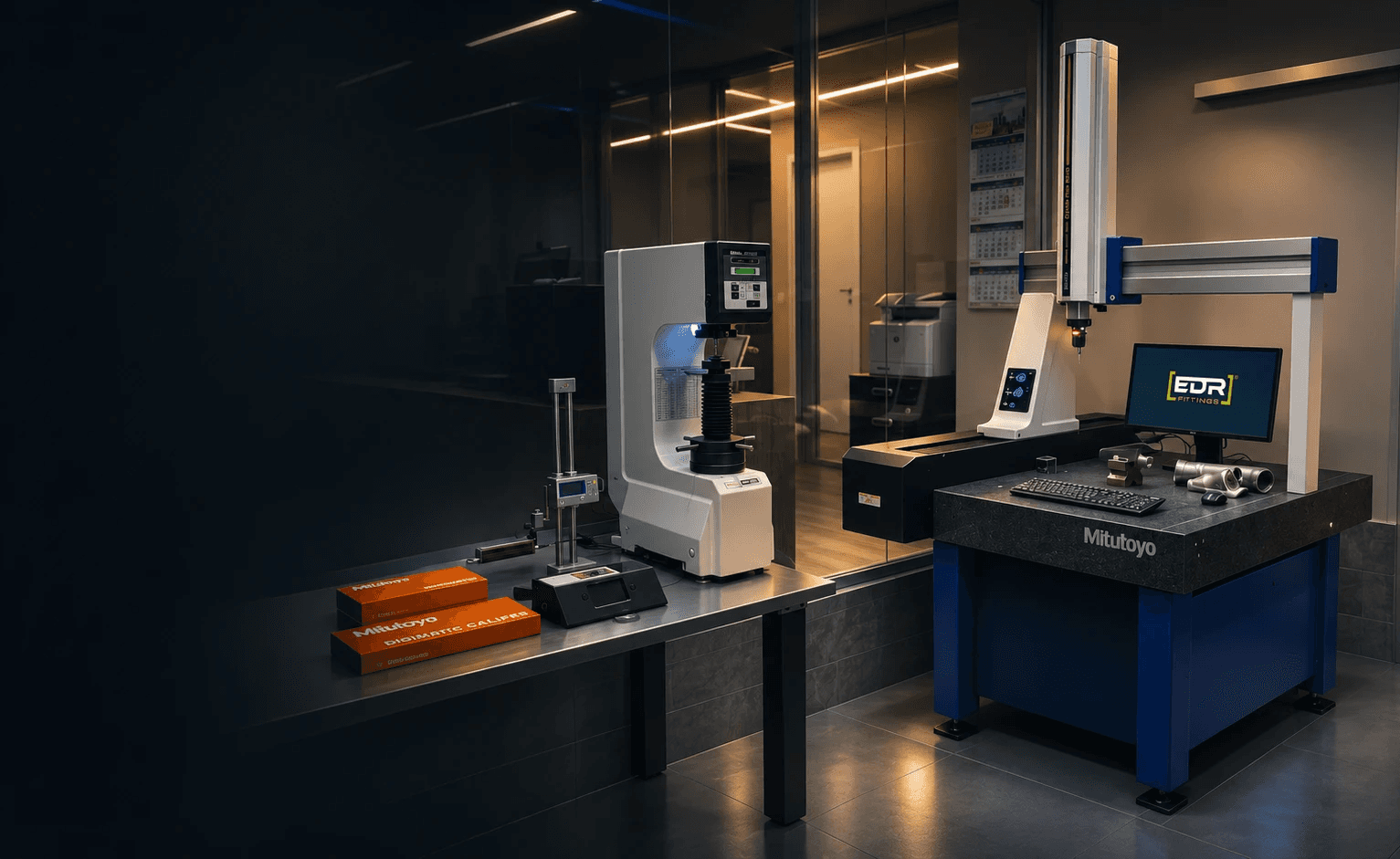
The chemical composition of the alloy is checked during the production process through dedicated analyses. When requested, further checks can be carried out and the relevant material conformity documentation provided.
How are any porosity or internal defects checked?
Depending on the characteristics and criticality of the component, non-destructive testing may be provided, including radiographic, liquid penetrant and magnetic particle inspection, in addition to the usual dimensional and quality checks.
Do the molds for my component remain my property?
Yes. The tooling made for producing the component remains the property of the customer. EDR coordinates its storage and maintenance at the manufacturing partner and can arrange its transfer when necessary.
How do you handle lead times and urgent orders?
The transport method is defined according to project needs. In addition to normal sea shipments, faster transport solutions and planned safety stocks can be used for samples or particularly urgent needs.
Are my drawings and technical files protected?
EDR handles drawings, 3D models and technical information using procedures dedicated to protecting intellectual property, and directly manages the relationship with the manufacturing partners involved in the project.
REQUEST A TECHNICAL ANALYSIS