THE BENEFITS OF MACHINING
✓
✓
✓
✓
✓
MATERIALS AND TECHNICAL CAPABILITIES

VALVES & PUMPS

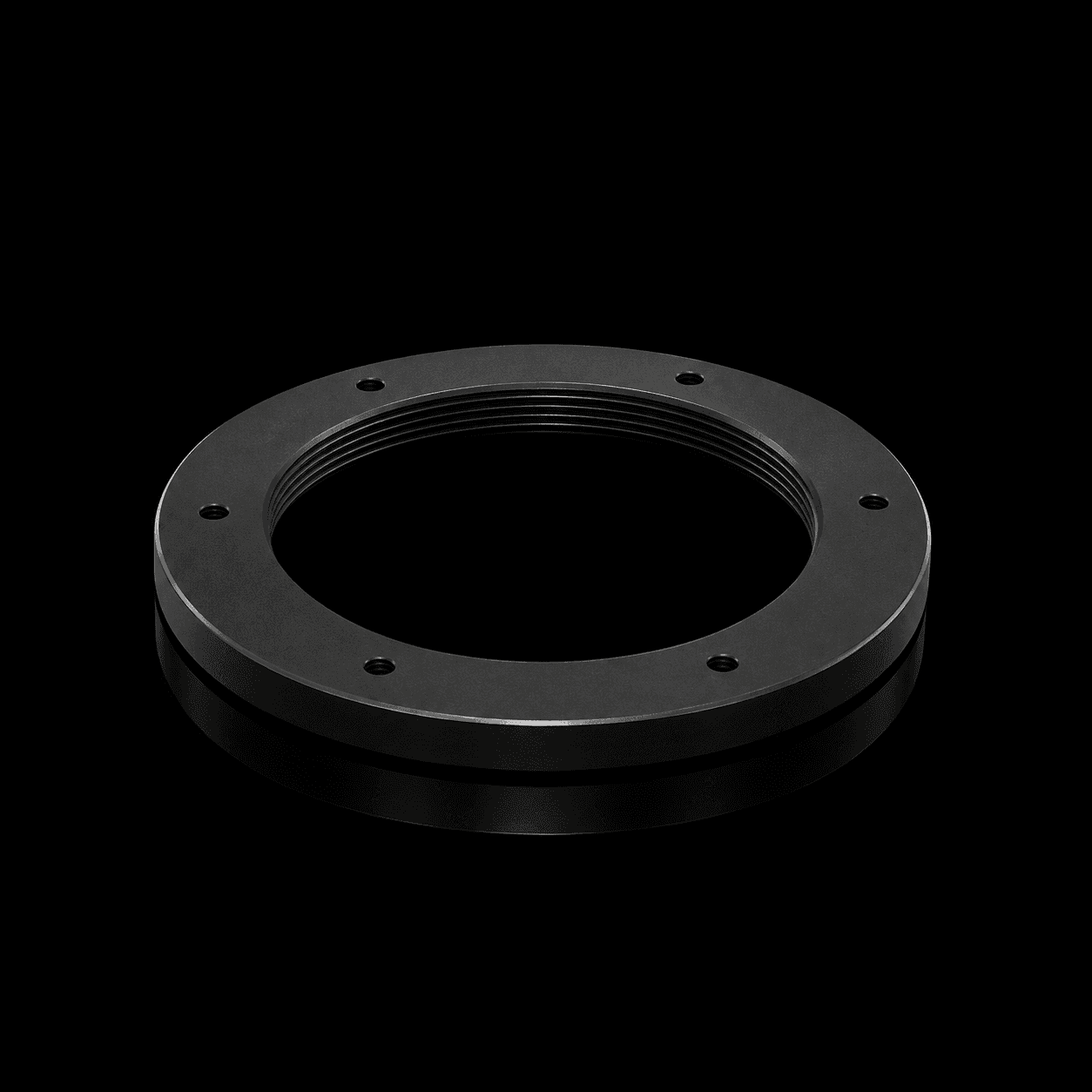
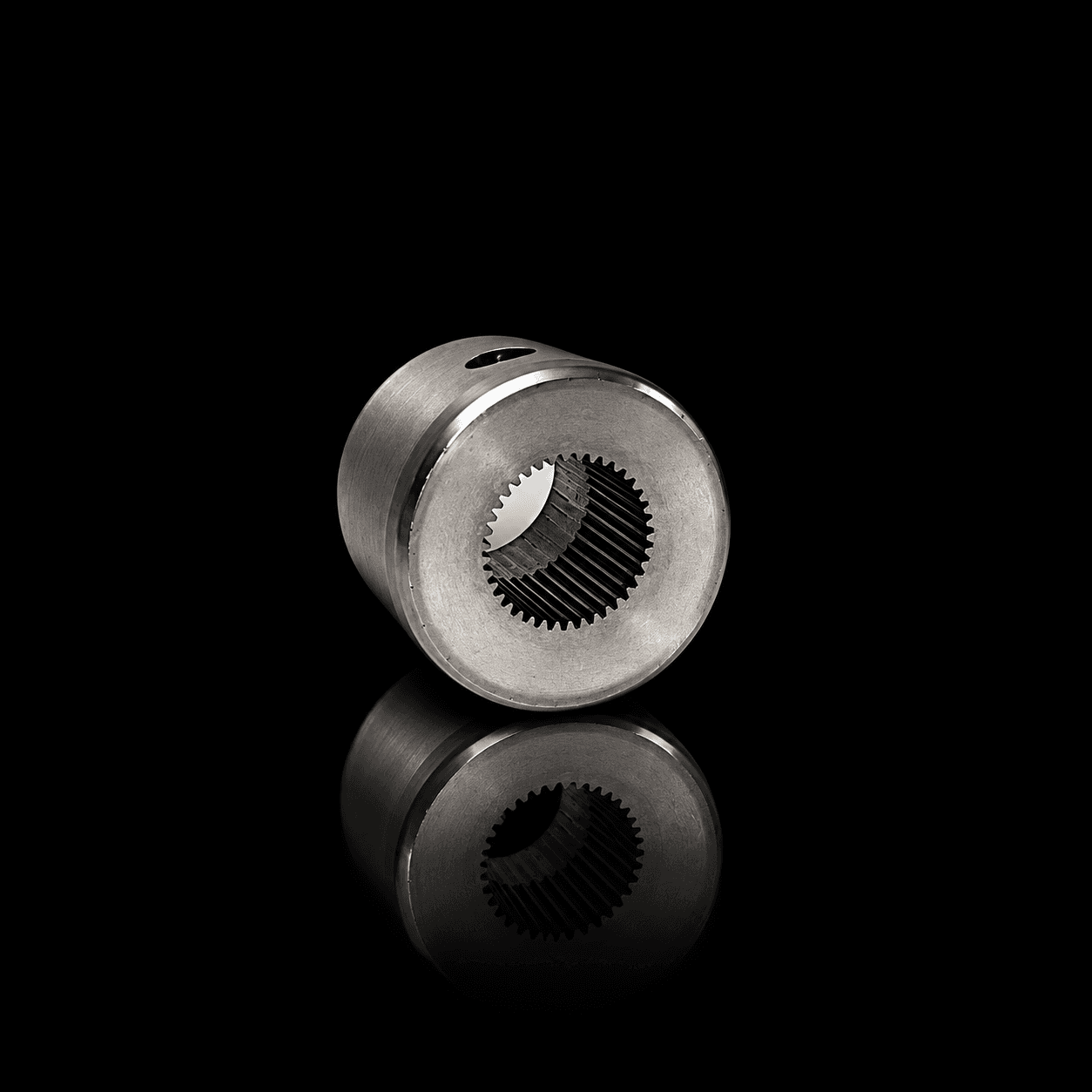
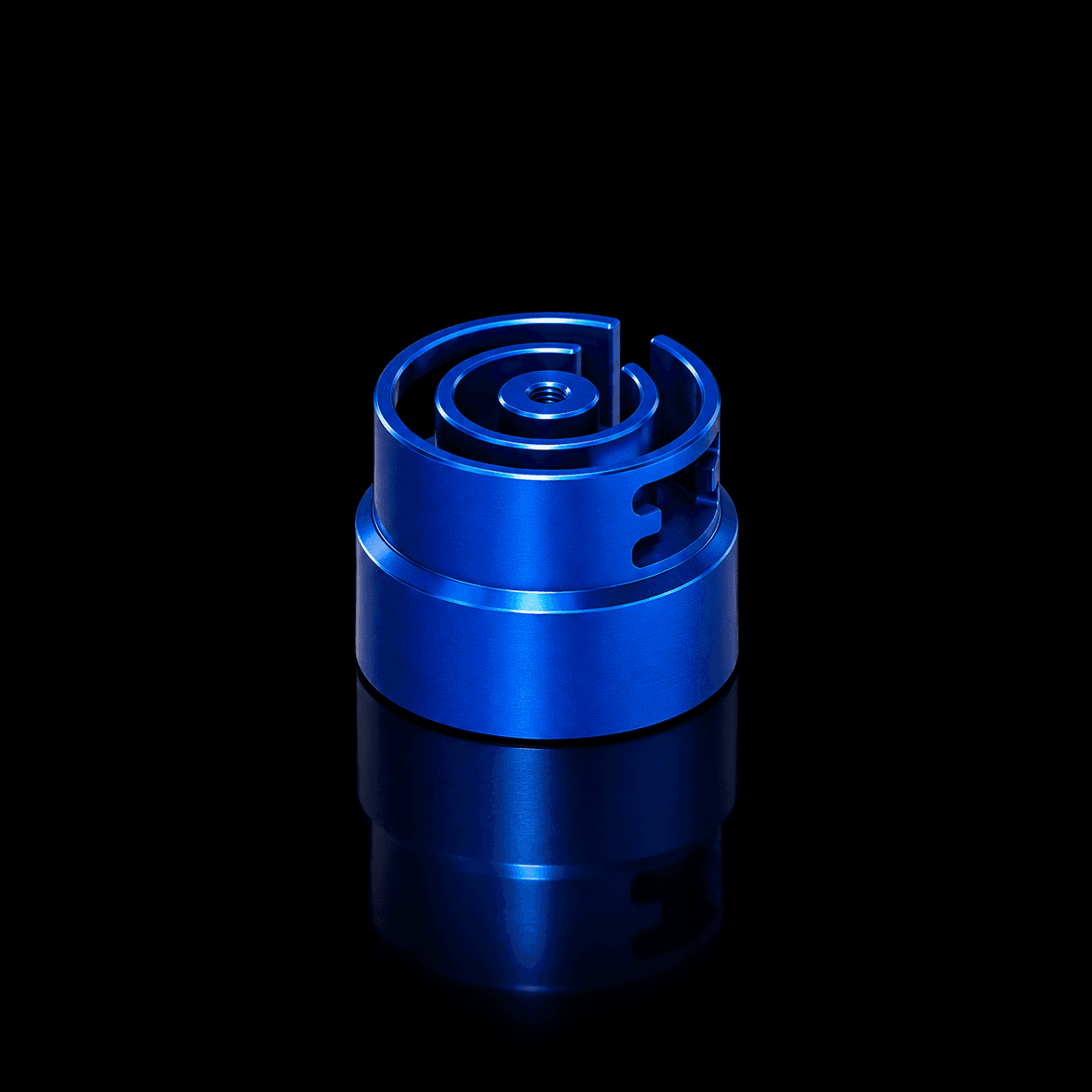
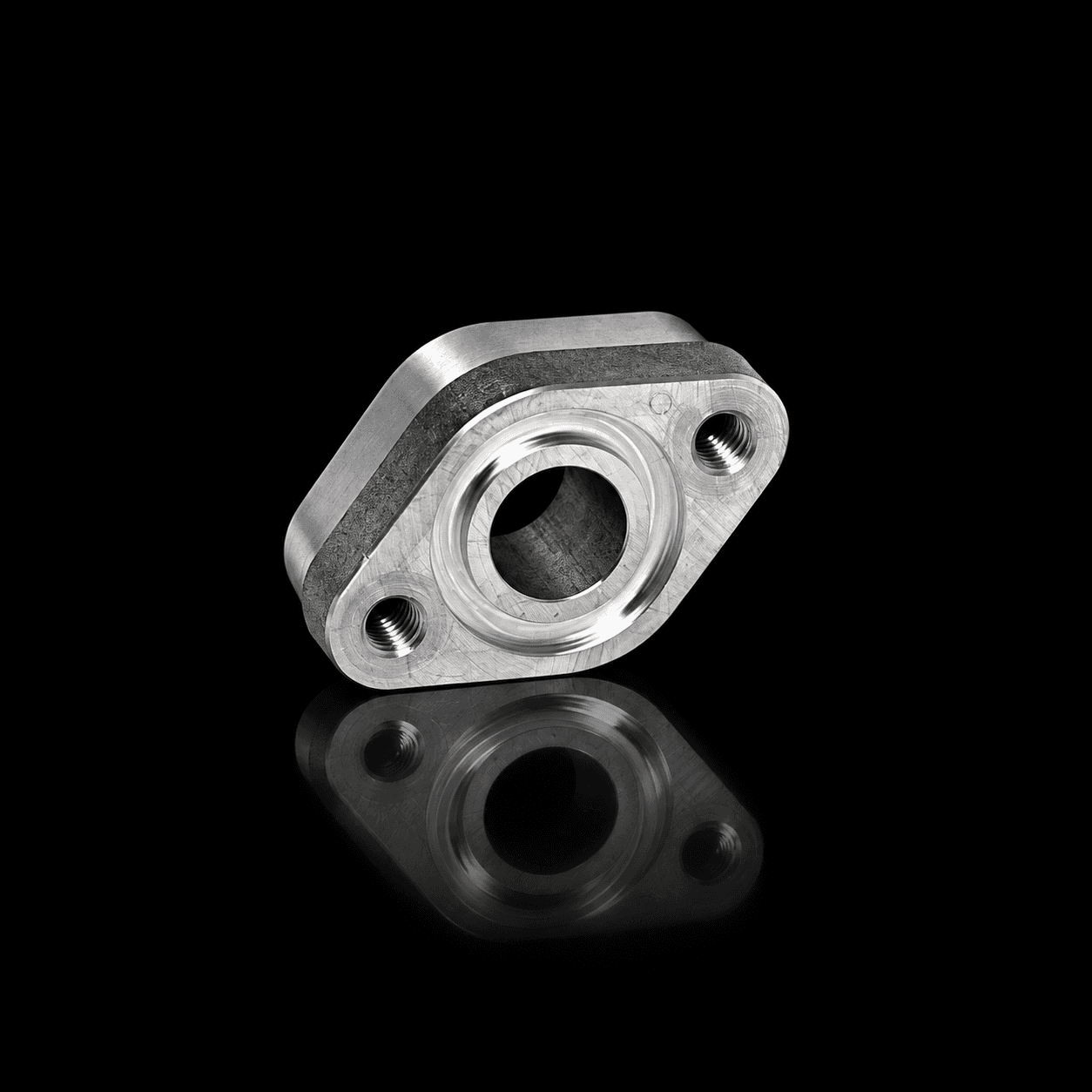
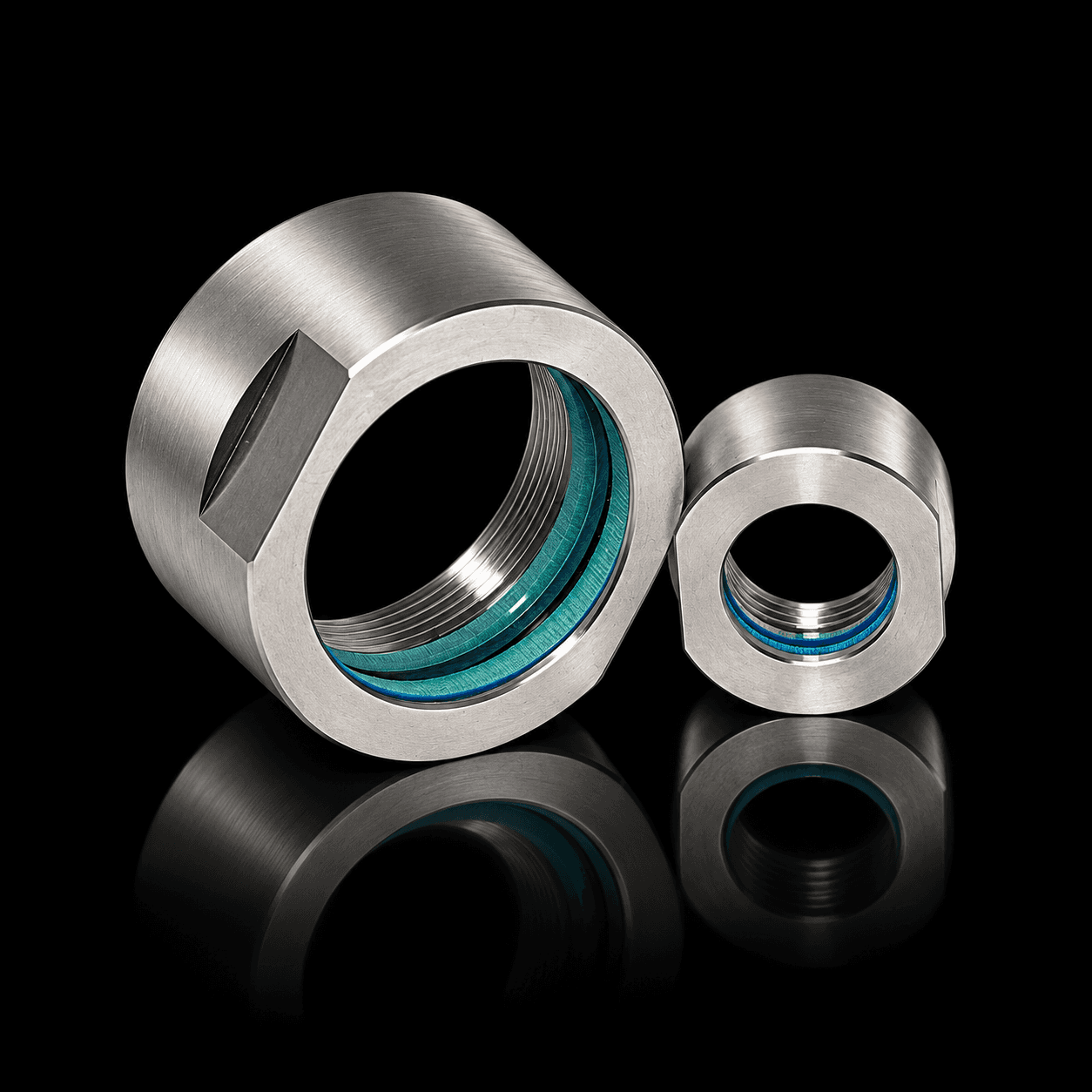
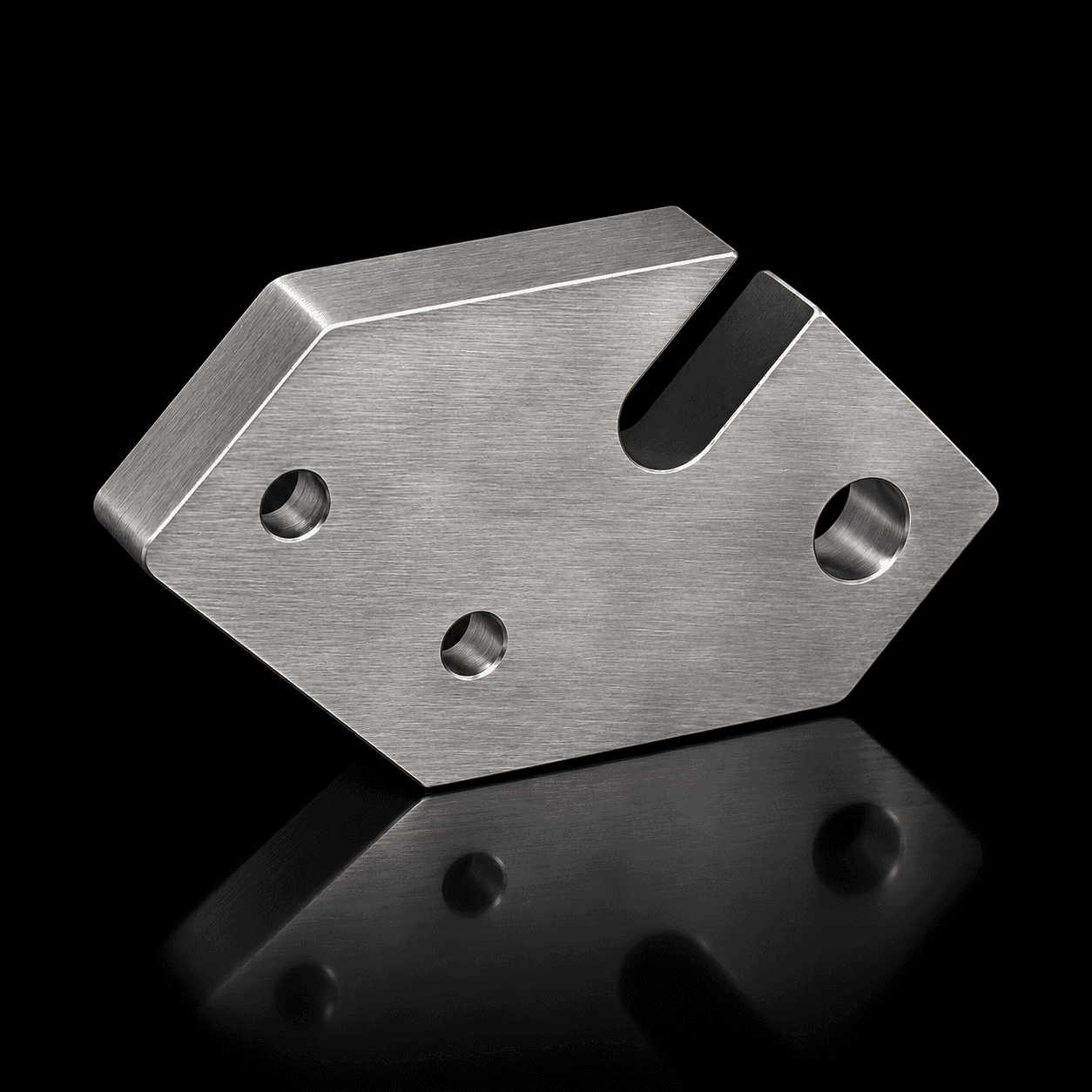
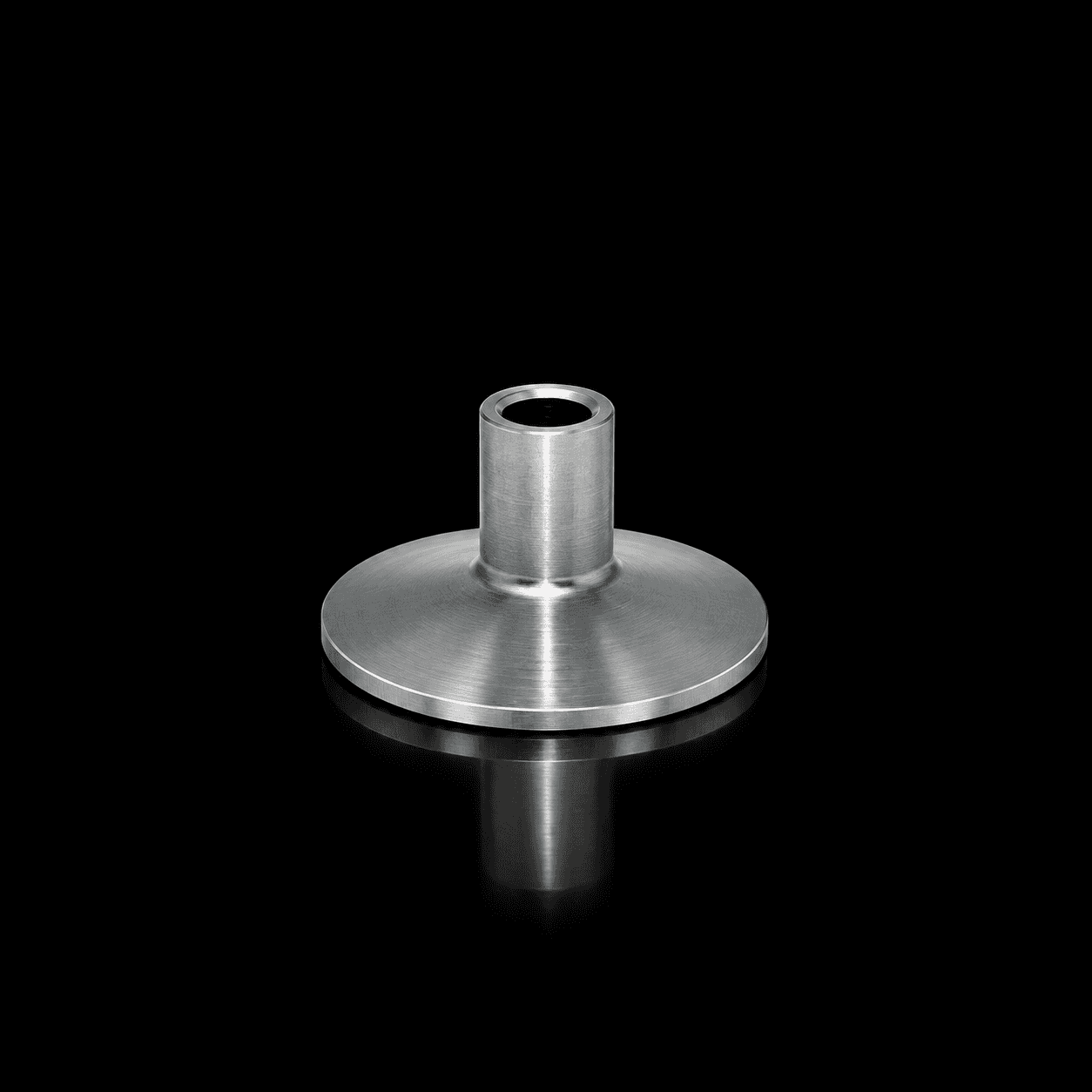
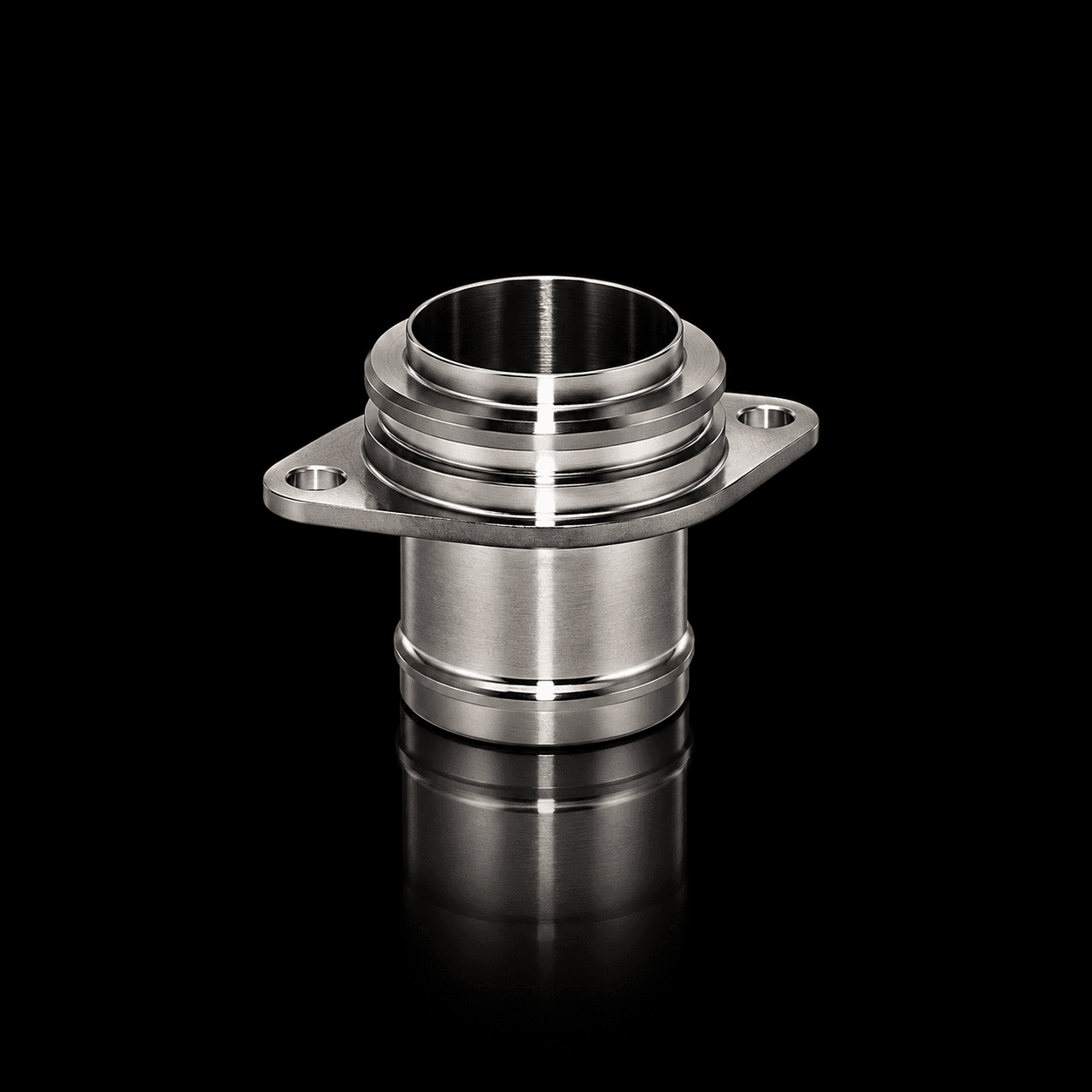
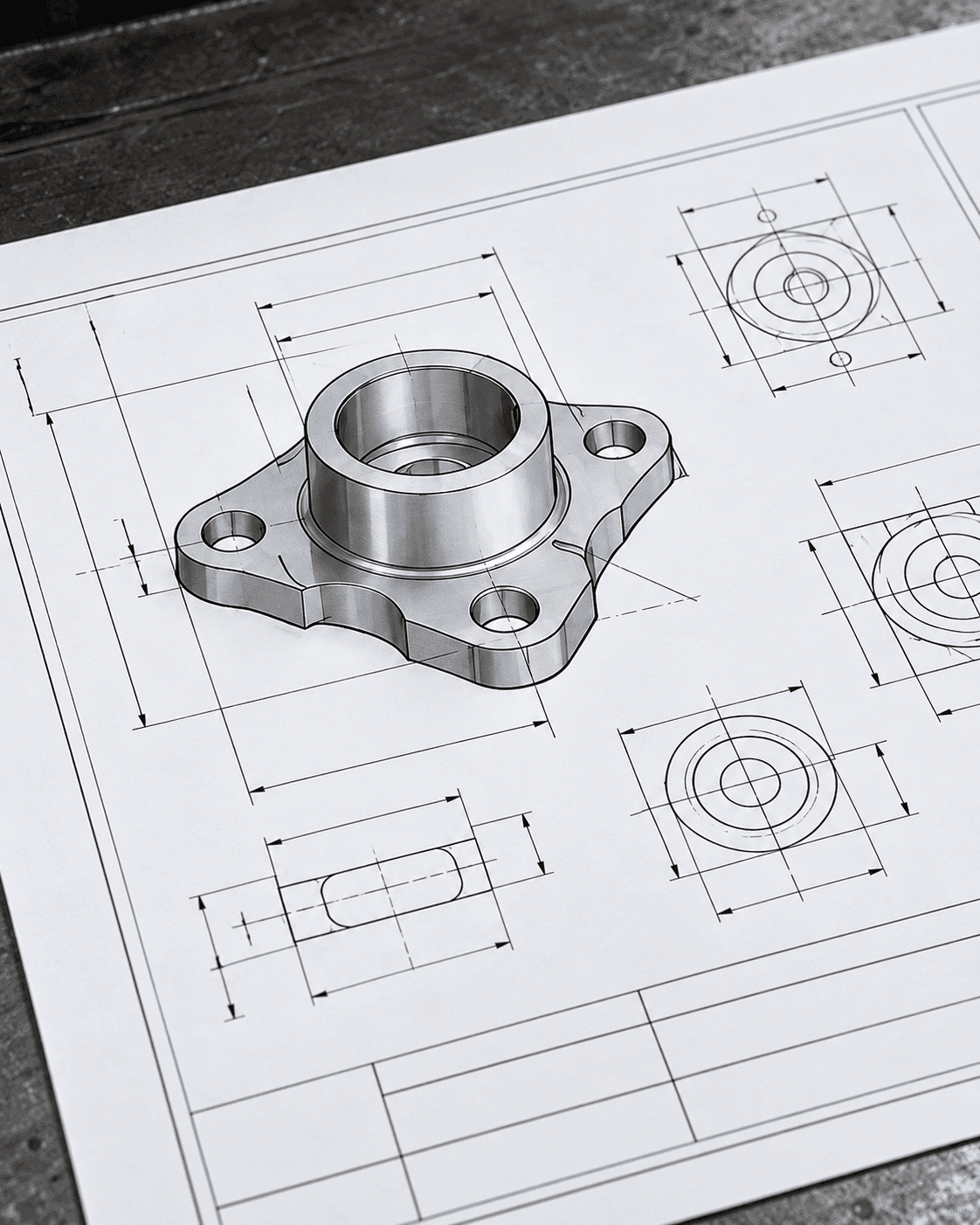
How is the cycle defined from the technical drawing?
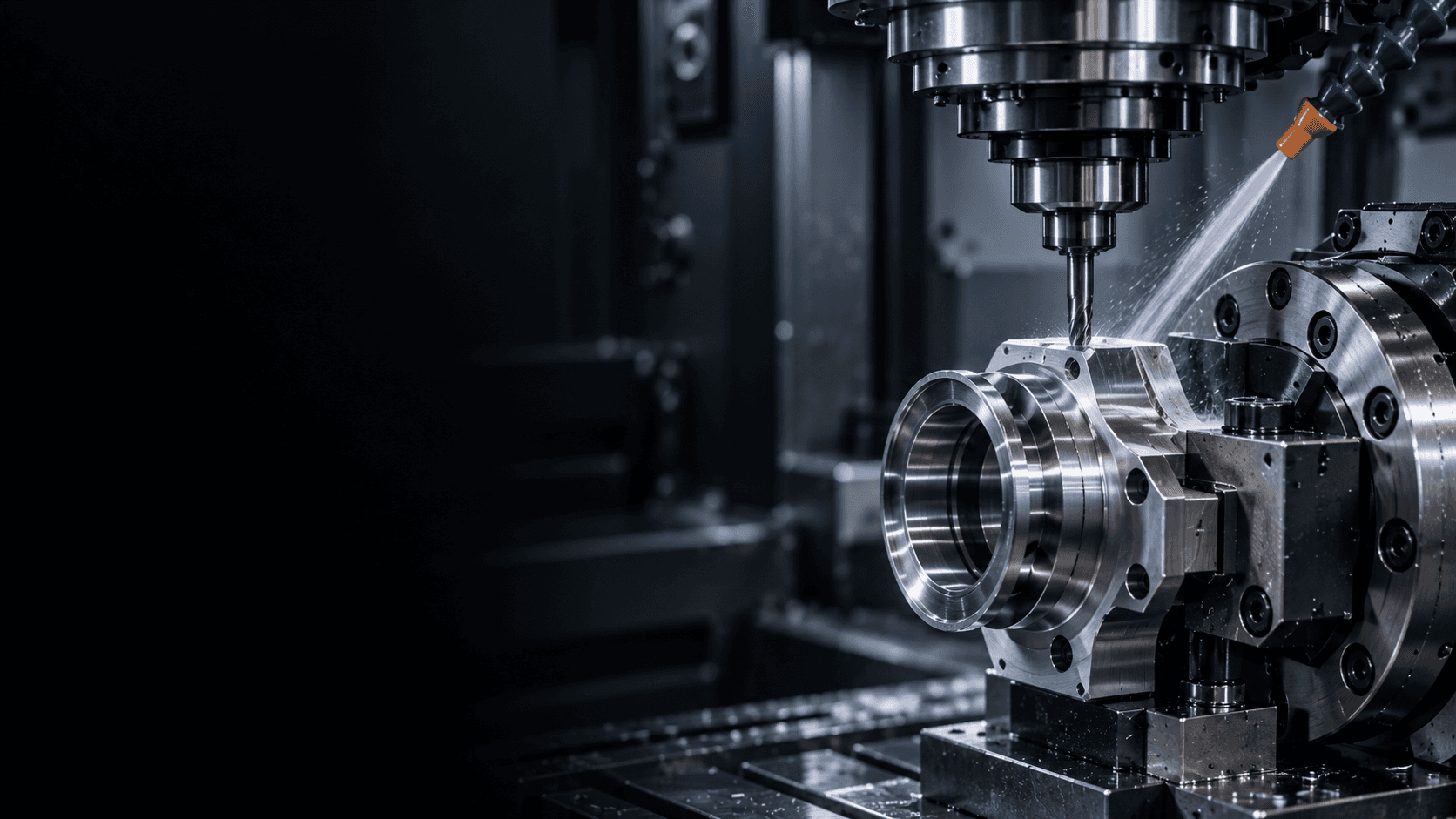
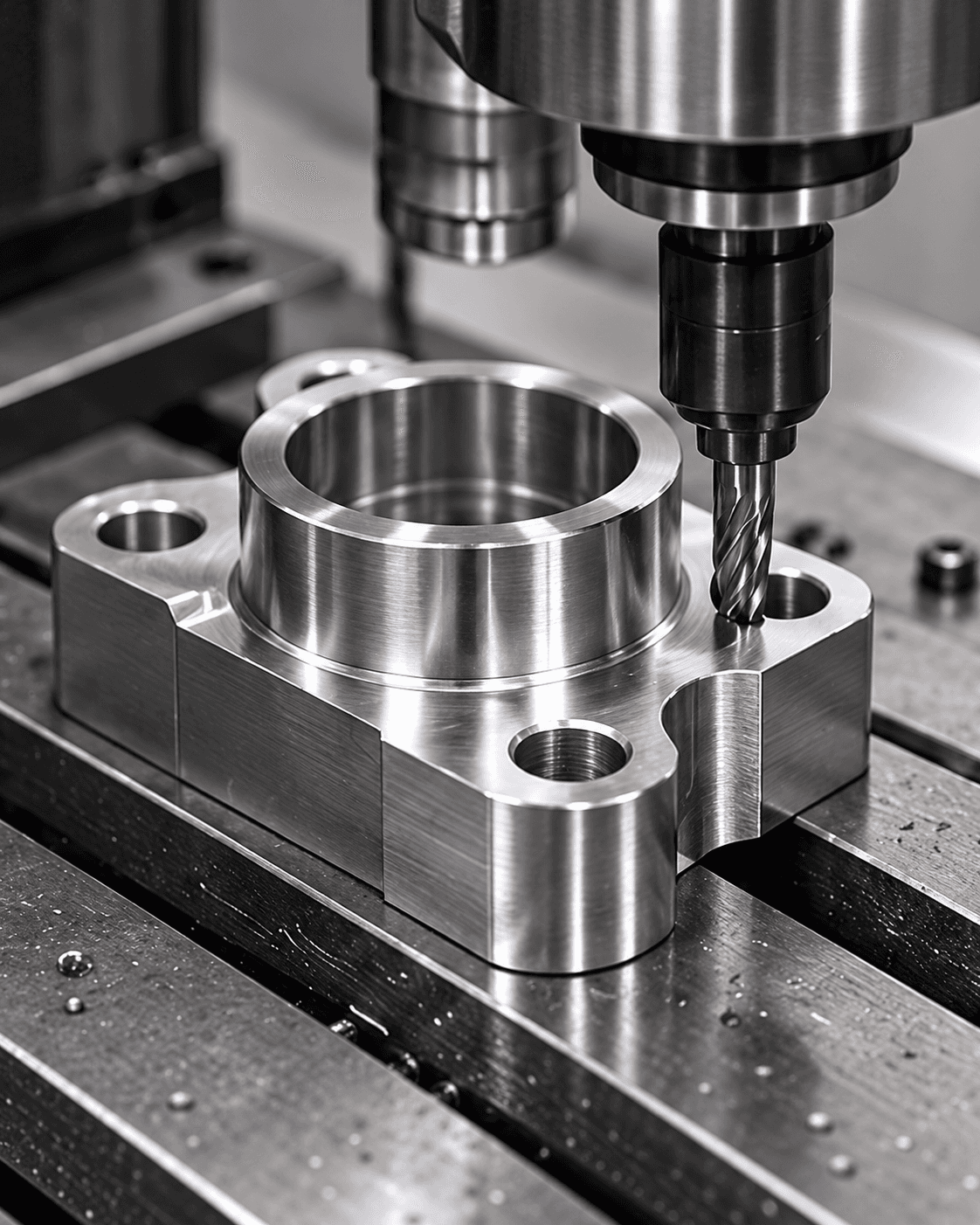
The drawing must identify the functional dimensions, tolerances, geometric references and required roughness. A 3D model helps describe the shape but does not replace these indications. The analysis considers material, tool accessibility, hole depth, thin walls and clamping method. The blank, number of setups and sequence of operations are then defined. EDR assesses with the manufacturer whether to start from bar, another semi-finished product or a component obtained by casting or forging. The aim is to obtain the part in the required final state, including the effects of treatments and finishes.
What tolerances can really be guaranteed?
The achievable precision depends on material, size, shape, tooling and measurement conditions. For this reason a very tight tolerance must refer to a specific dimension or feature, not become a generic promise on the whole part. Geometric tolerances, references and the state of the component at inspection must also be clarified. EDR verifies the feasibility of the requests and the inspection method before production; on the most critical surfaces, dedicated finishing operations may be necessary, agreed on the drawing.
Solid bar or a shaped blank?
Machining the part from solid avoids a forming die, but may require more machine time and produce more chips. A cast or forged blank brings the initial shape closer to the final one, but introduces tooling, machining allowances and constraints from the previous process. The choice depends mainly on quantity, material, complexity and component requirements. EDR compares the cost of the complete cycle, including sampling, re-machining and inspections, to assess the right solution for the expected series.
Which materials can be CNC machined?
Steels, stainless steel, aluminium, brass and several engineering polymers are commonly machinable. The specific grade affects tooling, stability and finish. EDR verifies material and supply condition with the manufacturer before defining the cycle.
How are functional dimensions measured and documented?
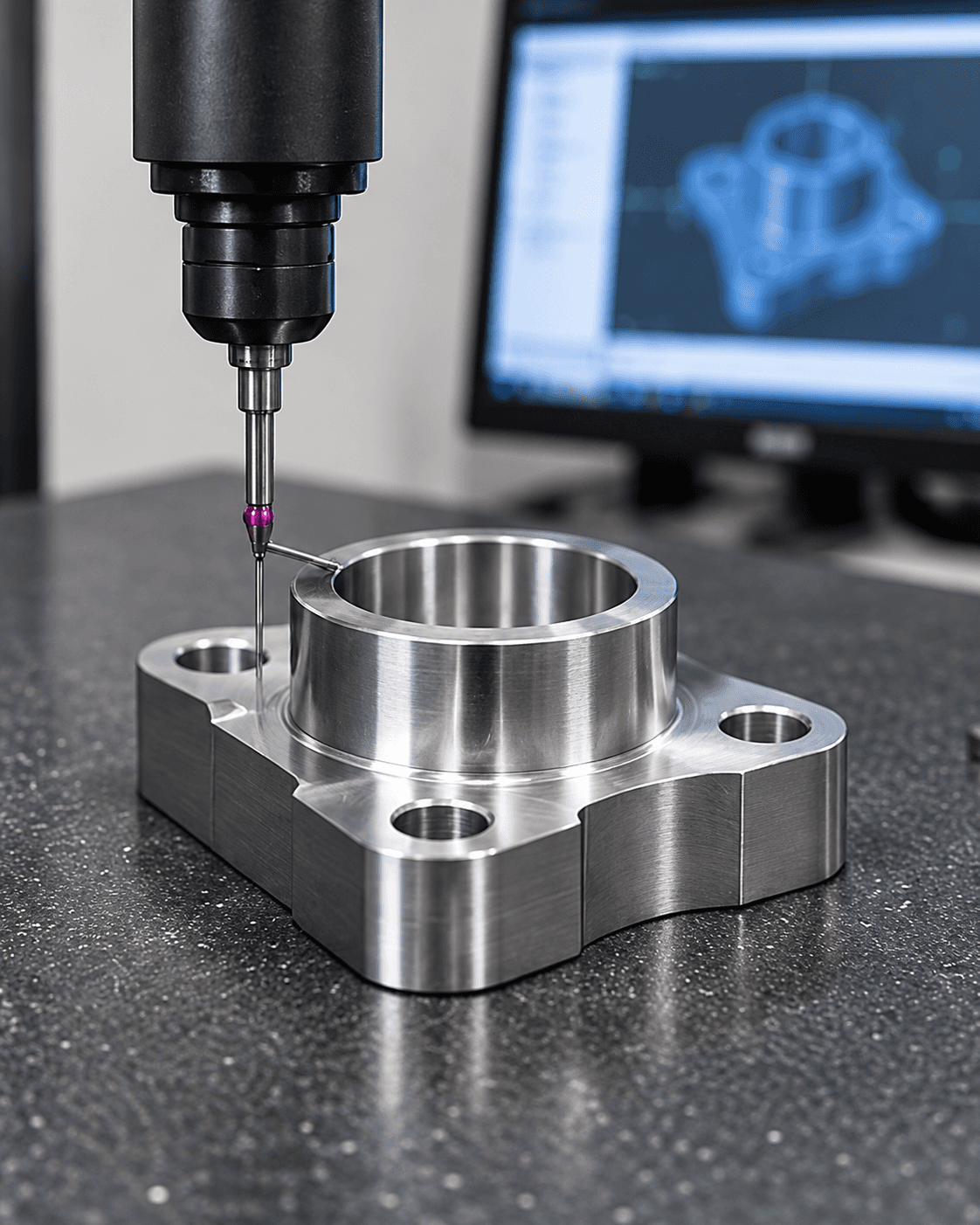
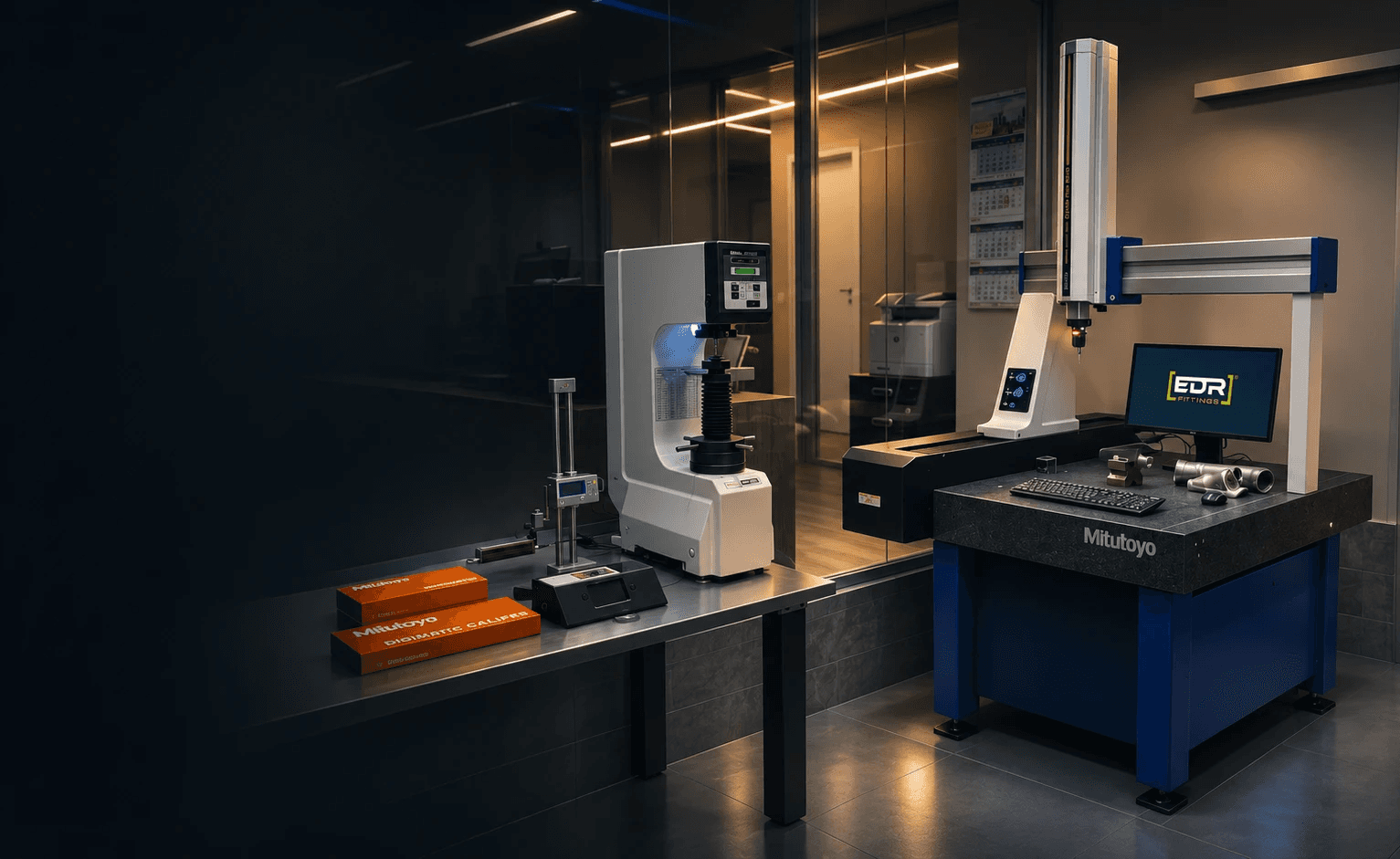
The control plan links each feature to the appropriate measurement method: dimensional instruments, functional gauges or 3D measurements, where relevant. The dimensions to document, frequency and acceptance criteria are agreed on the project.
Can treatments and assemblies also be included?
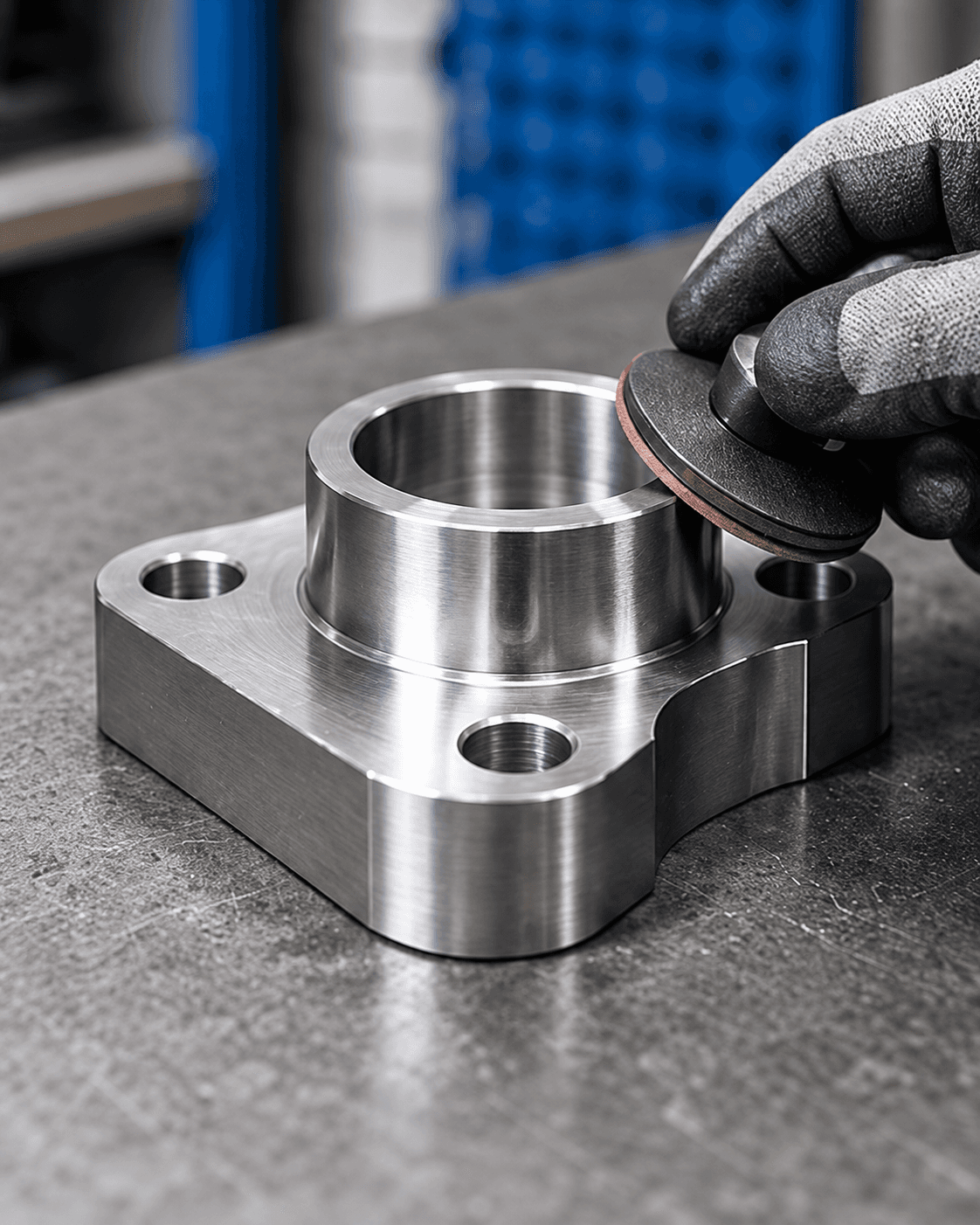
EDR also coordinates complementary machining, surface treatments and required assemblies. The final state of the part must be specified, because coatings and treatments can change dimensions, finishes and fits.
How are quantities and lead times defined?
CNC allows flexible cycles, but programming, setup and inspections affect the cost of batches. EDR assesses industrial series and the sampling linked to production. Quantities, partner capacity and transport determine the delivery schedule.
How are part revisions managed?
Every change requires an updated drawing and a check of programs, tooling and inspections. Before proceeding, it must be clarified which batches adopt the new revision and whether new sampling is needed.
REQUEST A TECHNICAL ANALYSIS