TECHNOLOGY • PLASTICS

TECHNOLOGY • PLASTICS

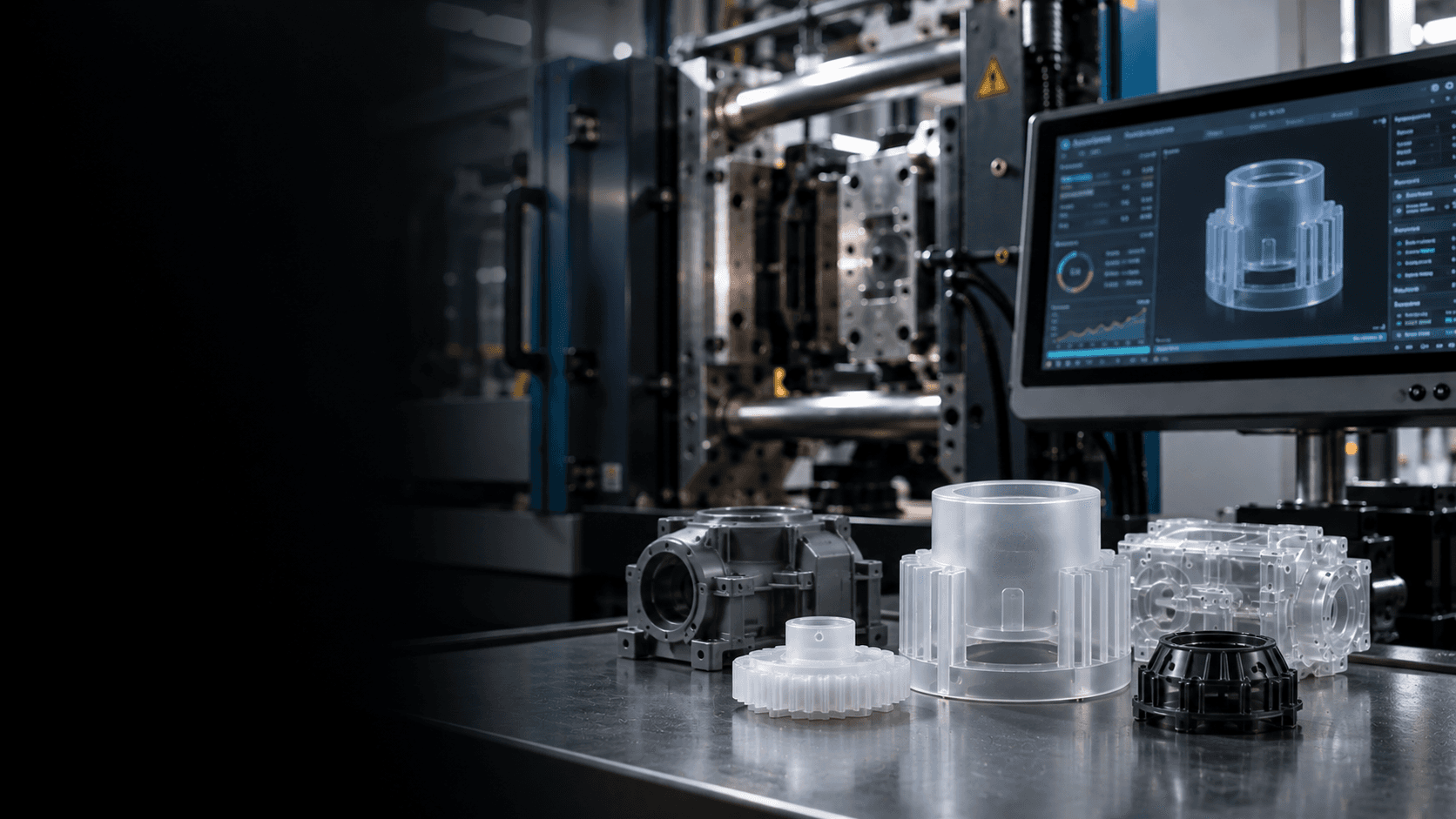
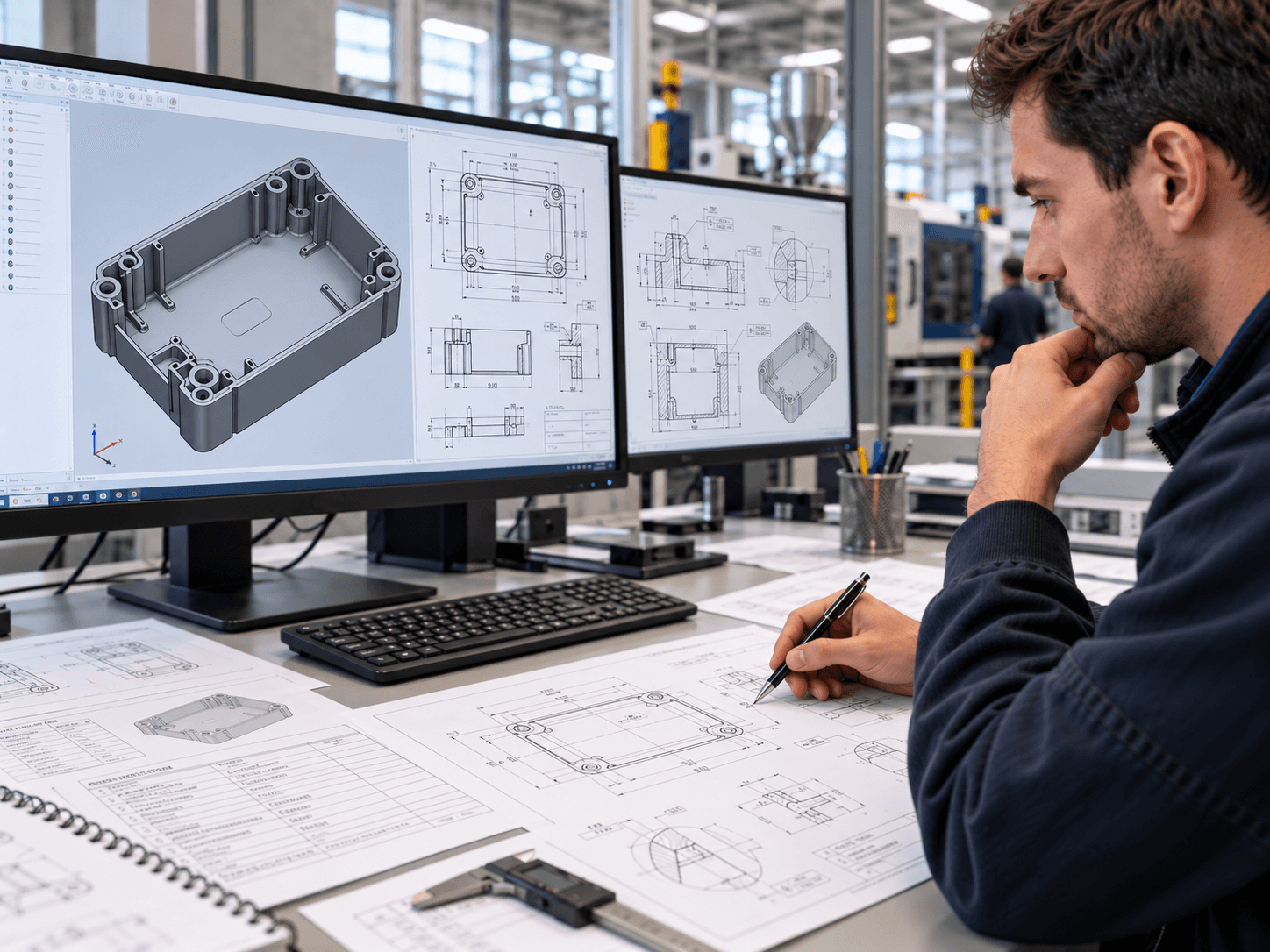
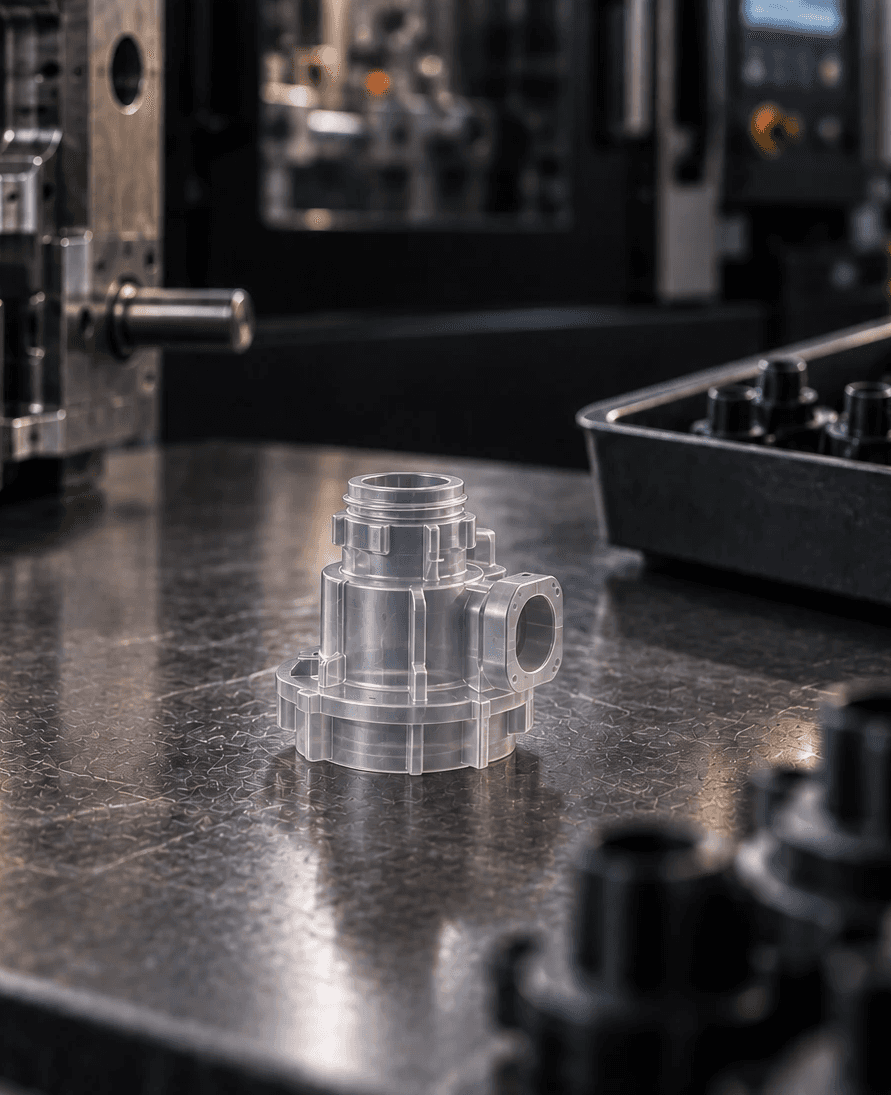
Reduce weight and constraints with plastic components.

Reduce weight and constraints
with plastic components.

Reduce weight and constraints with plastic components.

We make custom plastic components with

processes chosen by material, geometry and

quantity, coordinating Asian manufacturers.

We make custom plastic components with processes chosen by material, geometry and quantity, coordinating Asian manufacturers.

THE INJECTION PROCESS

THE INJECTION PROCESS

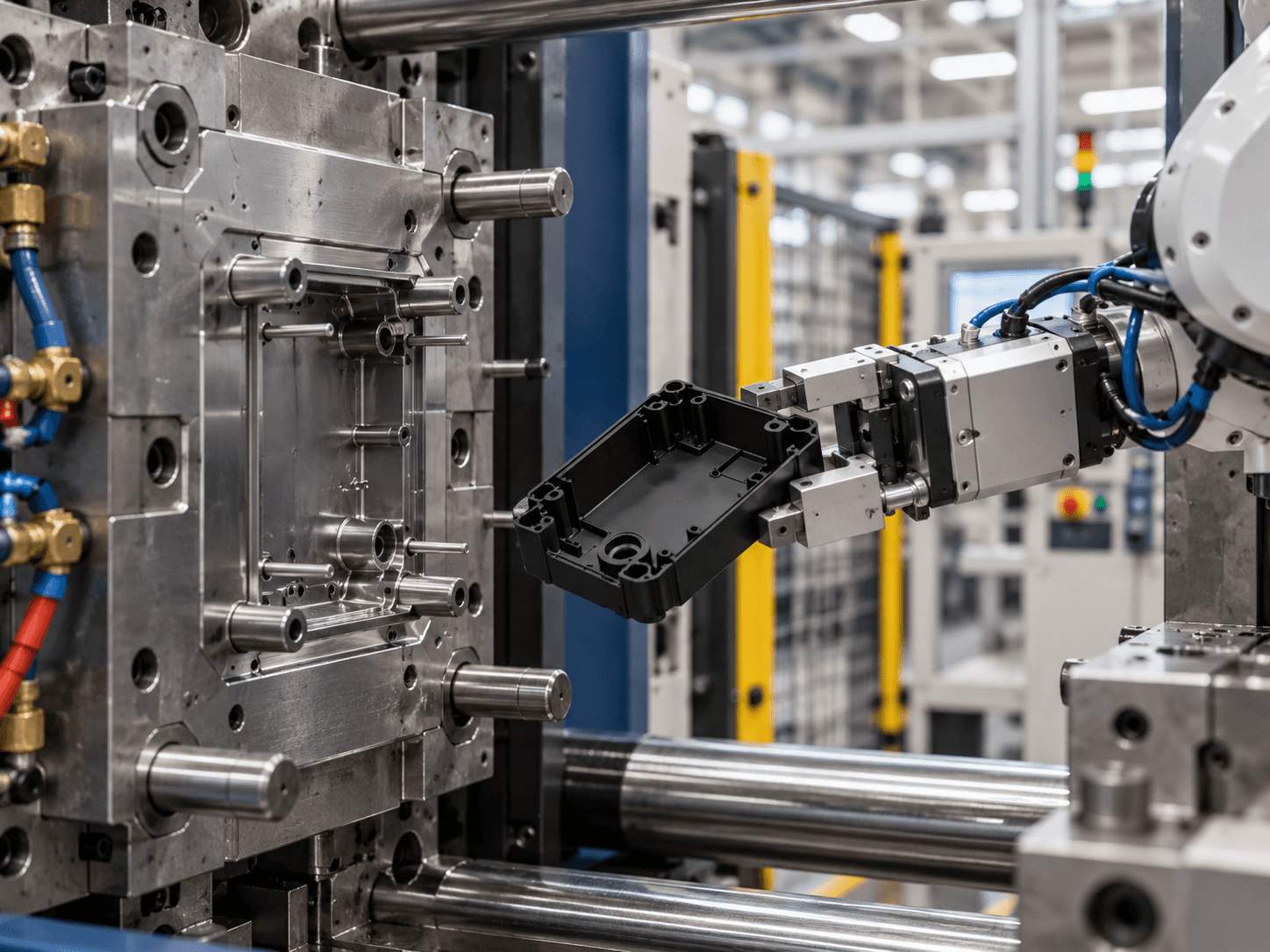
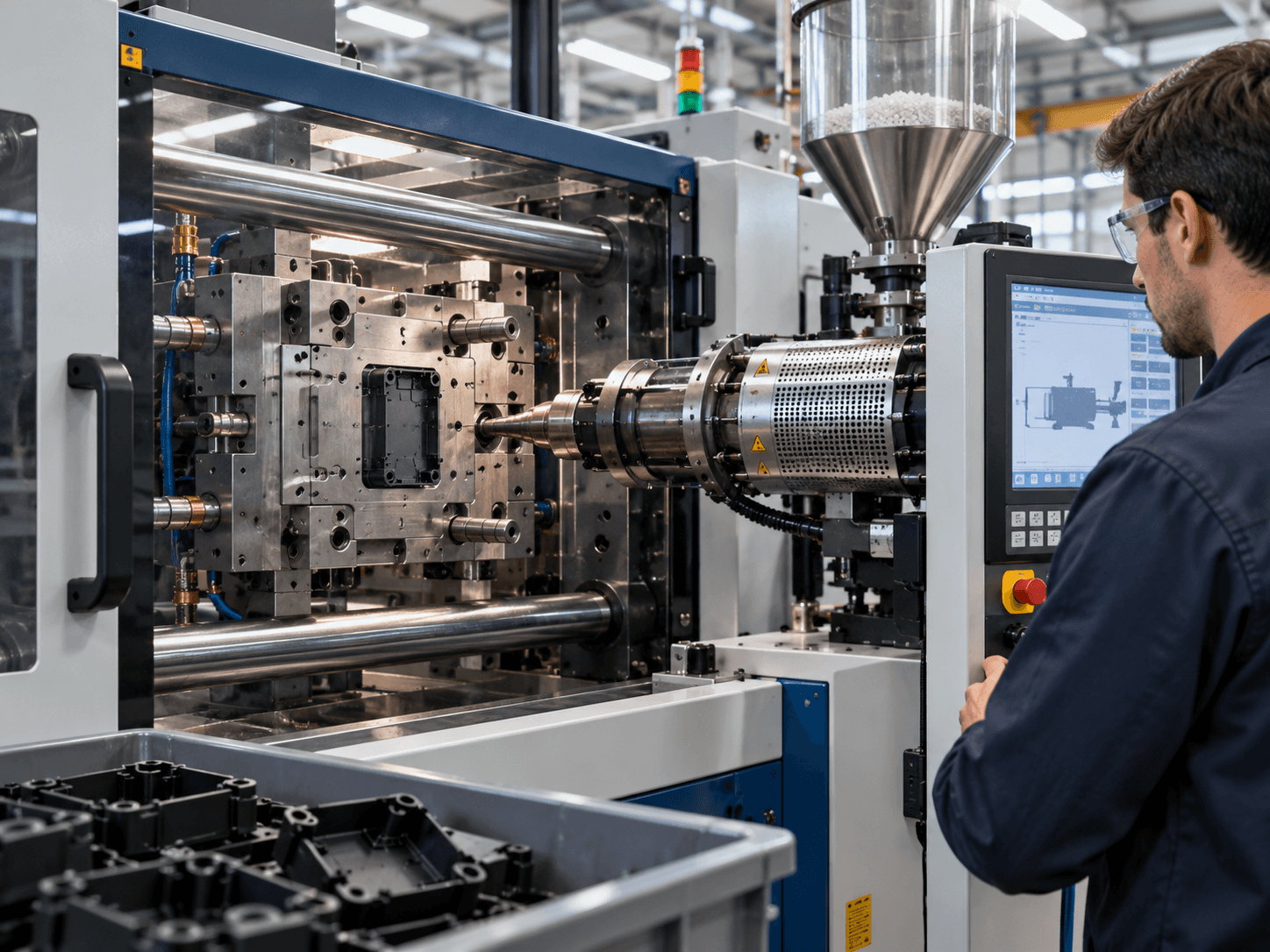
From pellet to mold, the component takes shape.

From pellet to mold, the component takes shape.

From pellet to mold,
the component takes shape.

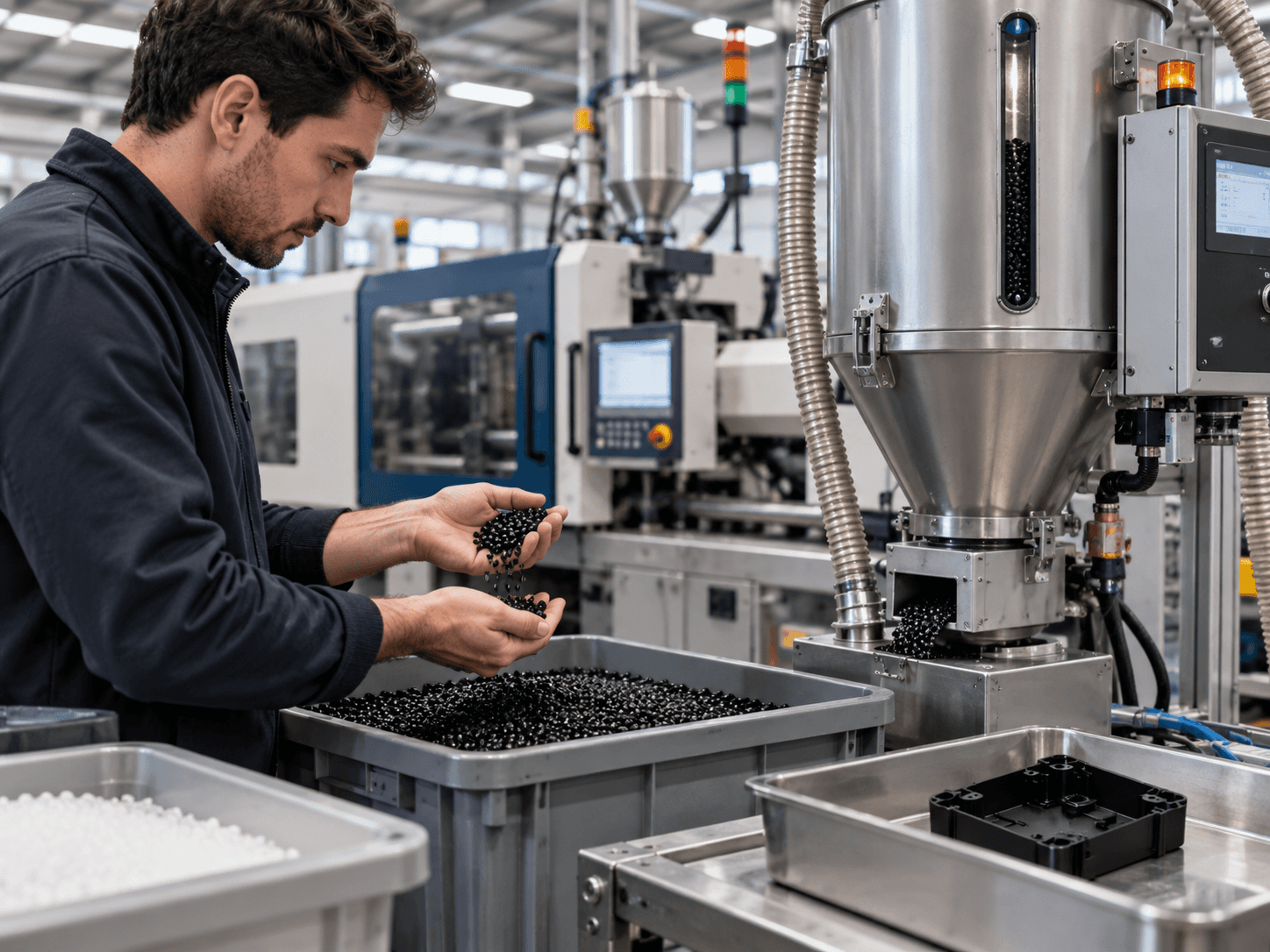
For injection-molded thermoplastics, the cycle starts with material preparation.

Molding, cooling and ejection define the shape and quality of the part.

For injection-molded thermoplastics, the cycle starts with material preparation.

Molding, cooling and ejection define the shape and quality of the part.

For injection-molded thermoplastics, the cycle starts with material preparation. Molding, cooling and ejection define the shape and quality of the part.

01

Part analysis

Geometry, dimensions, tolerances, material and functional requirements of the component are checked.

02

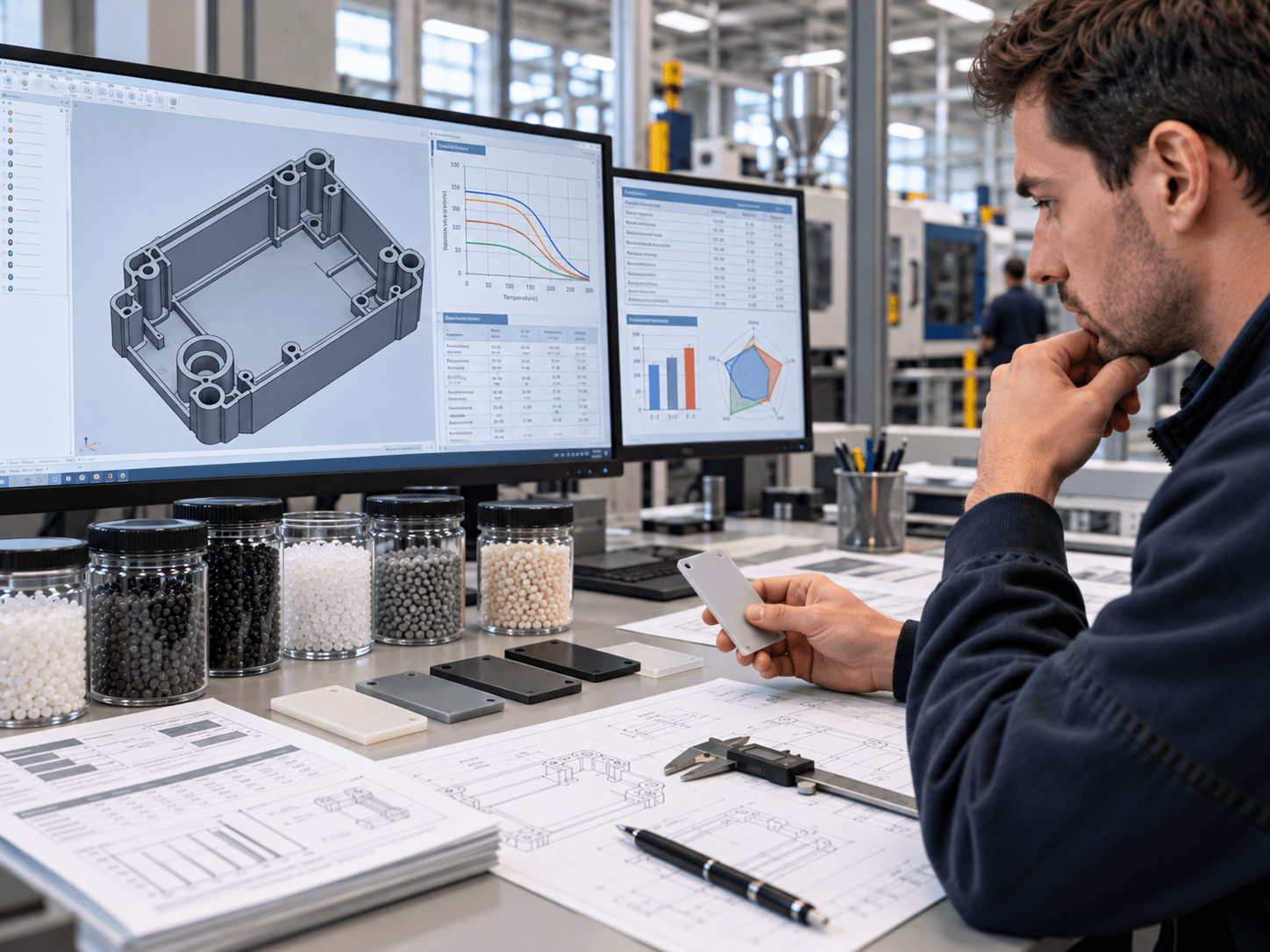
Material selection

03

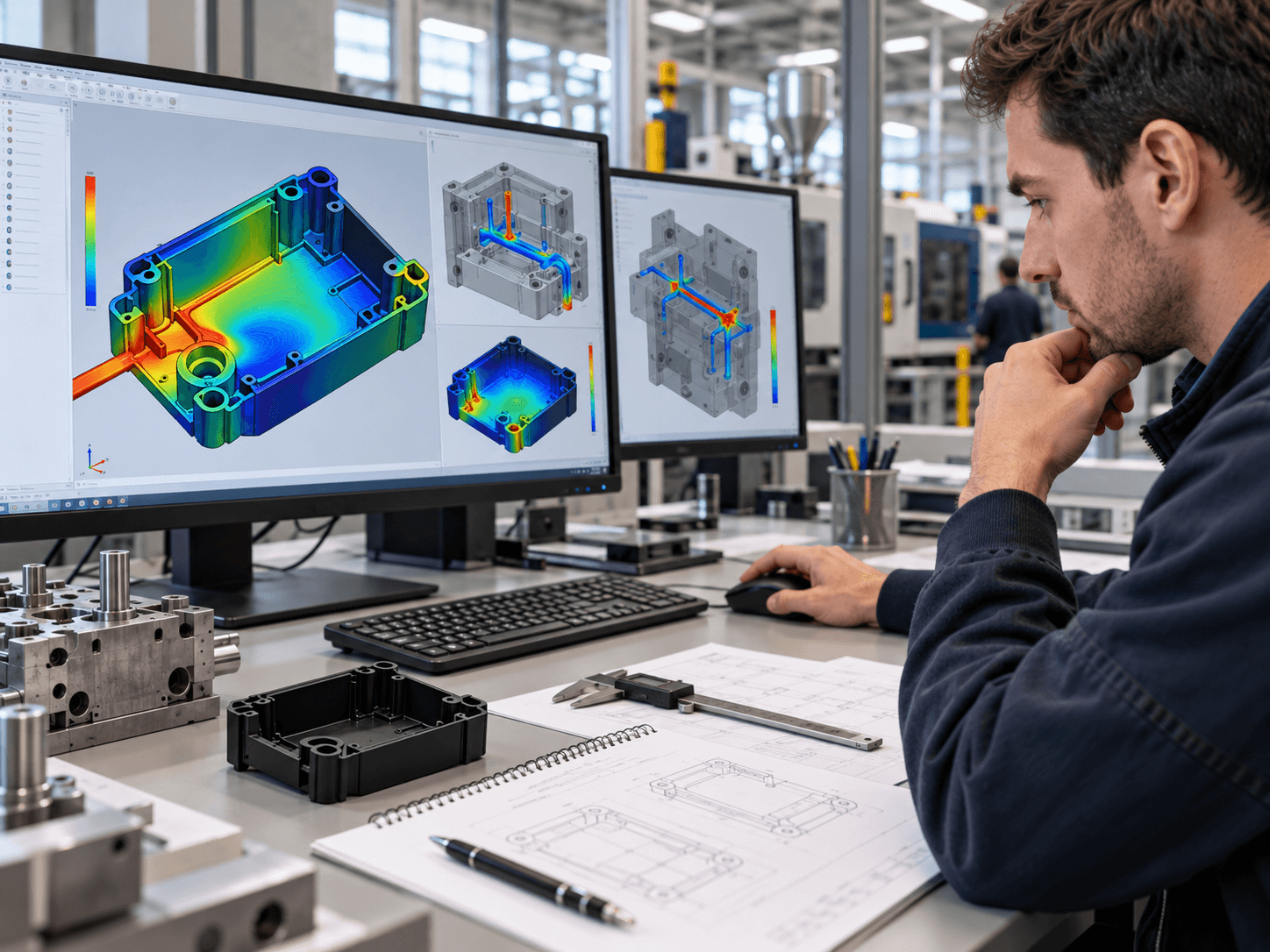
Moldflow analysis

04

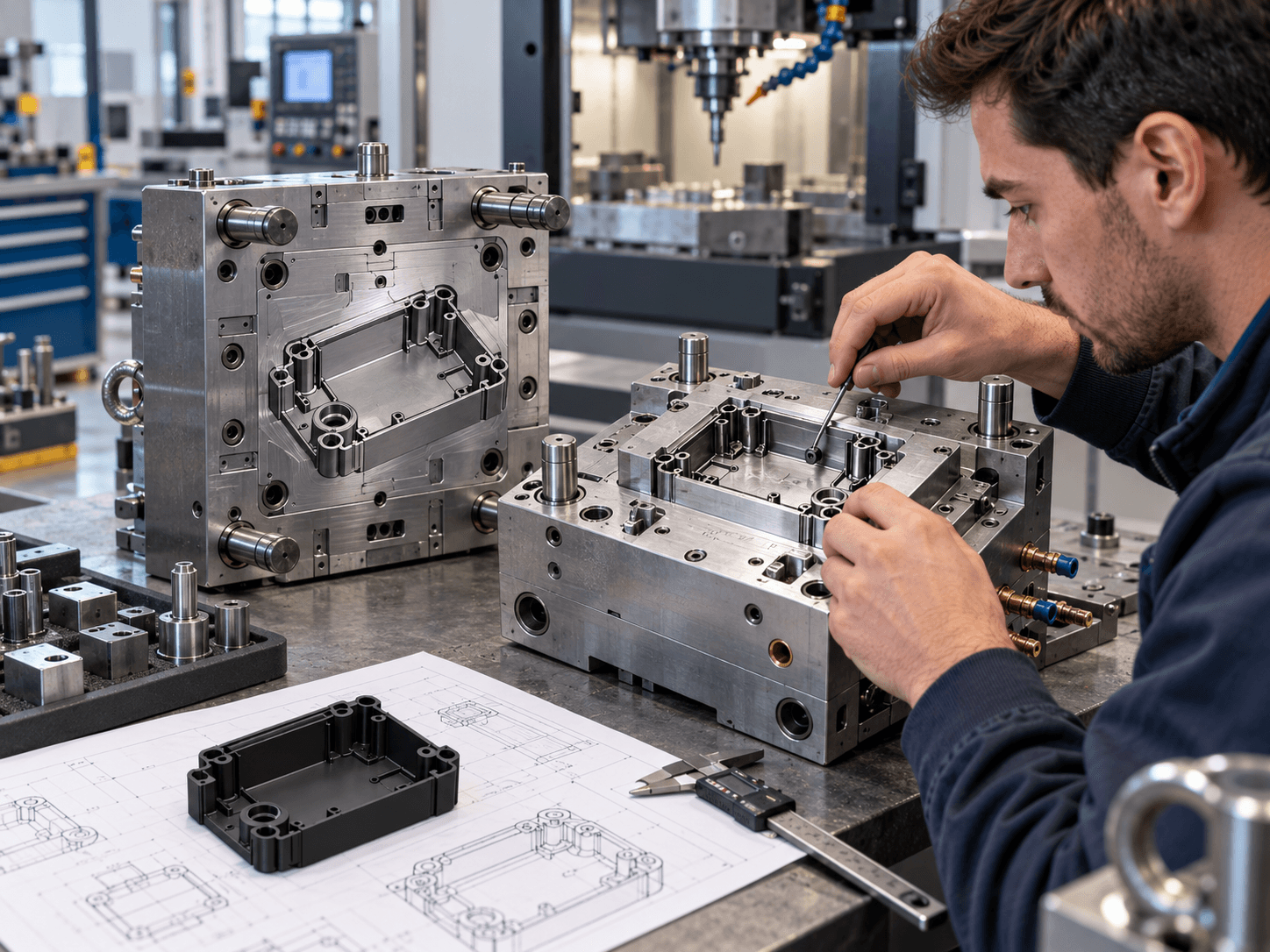
Mold making

05

Material preparation

06

Injection molding

07

Cooling and ejection

08

Final inspection

Upload a photo from the properties panel

01

02

03

04

05

06

07

08

01

Part analysis

Geometry, dimensions, tolerances, material and functional requirements of the component are checked.

02

Material selection

03

Moldflow analysis

04

Mold making

05

Material preparation

06

Injection molding

07

Cooling and ejection

08

Final inspection

Upload a photo from the properties panel

01

02

03

04

05

06

07

08

Image with border

THE ADVANTAGES OF PLASTICS

Integrated geometries and materials chosen for each application.

Integrated geometries and materials chosen for each application.

Integrated geometries and materials chosen for each application.

Polymers make it possible to integrate shapes and functions into lightweight components. With the right material and process, snap-fits, ribs and finished surfaces can be obtained, reducing some assembly operations.

Polymers make it possible to integrate shapes and functions into lightweight components. With the right material and process, snap-fits, ribs and finished surfaces can be obtained, reducing some assembly operations.

✓

Low component weight

Low component weight

✓

Integrated snap-fits and ribs

Integrated snap-fits and ribs

✓

Properties defined by polymer type

Properties defined by polymer type

✓

Repeatability in series molding

Repeatability in series molding

✓

Colors and surfaces built into the design

Colors and surfaces built into the design

MATERIALS AND TECHNICAL CAPABILITIES
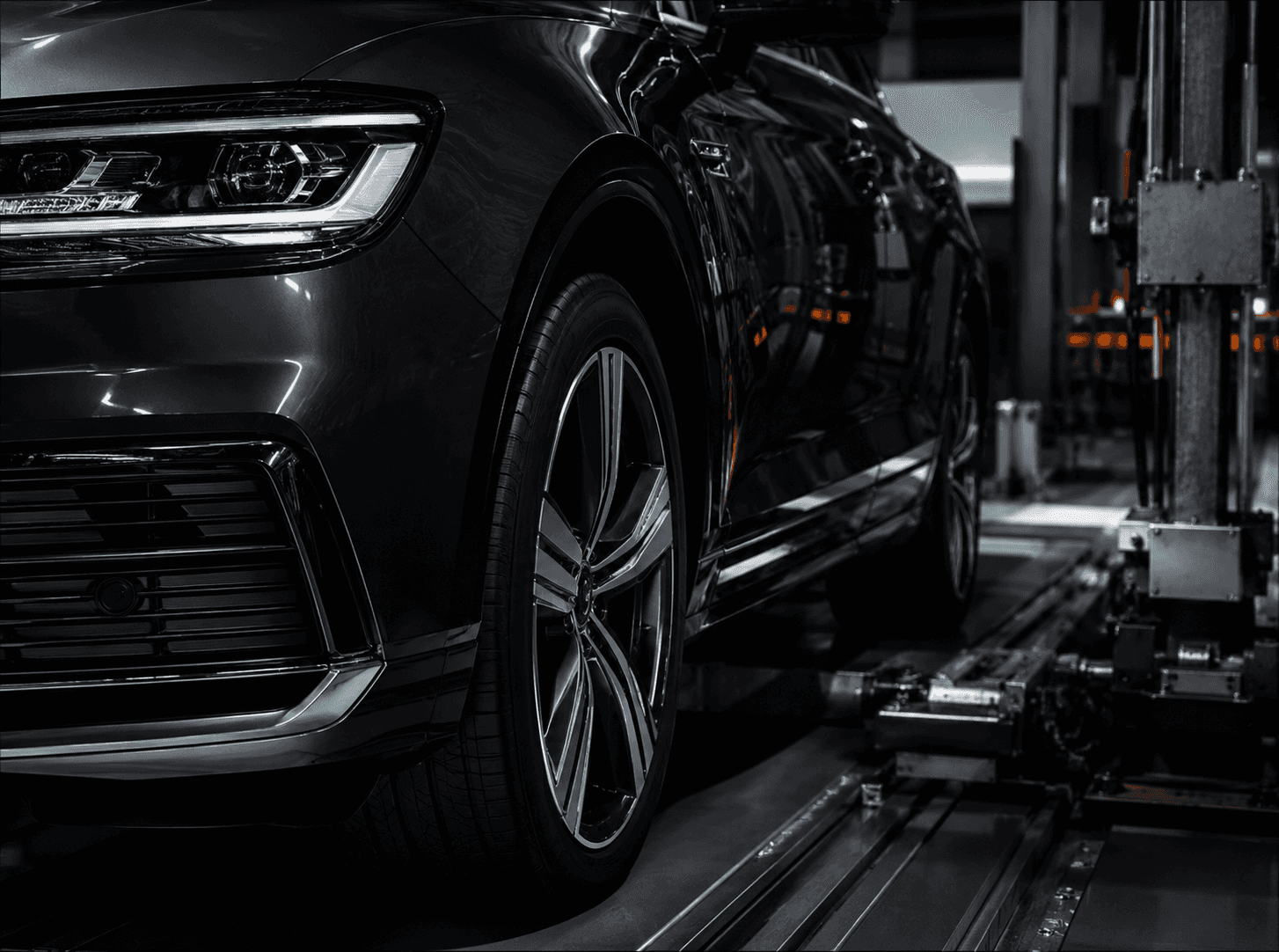
The polymer determines process and performance.

The polymer determines process and performance.

EDR assesses temperature, loads and operating environment to choose material and process. Injection, rubber and PTFE require different production cycles.

EDR assesses temperature, loads and operating environment to choose material and process. Injection, rubber and PTFE require different production cycles.

Advanced engineering plastics

Elastomers and rubbers

Engineering polymers

Thermoplastics

Advanced engineering plastics

Elastomers and rubbers

Engineering polymers

Thermoplastics

Image with border

PLASTICS APPLICATIONS

PLASTICS APPLICATIONS

Housings and functional parts
designed around their use.

Housings and functional parts
designed around their use.

Housings and functional parts designed around their use.

From housings to mechanical parts, the plastic material is chosen

based on loads, environment, appearance and service requirements.

From housings to mechanical parts, the plastic material is chosen based on loads, environment, appearance and service requirements.

LABORATORY AND QUALITY CONTROL

LABORATORY AND QUALITY CONTROL

Our in-house laboratory
for quality control.

Our in-house laboratory
for quality control.

Our in-house laboratory for quality control.

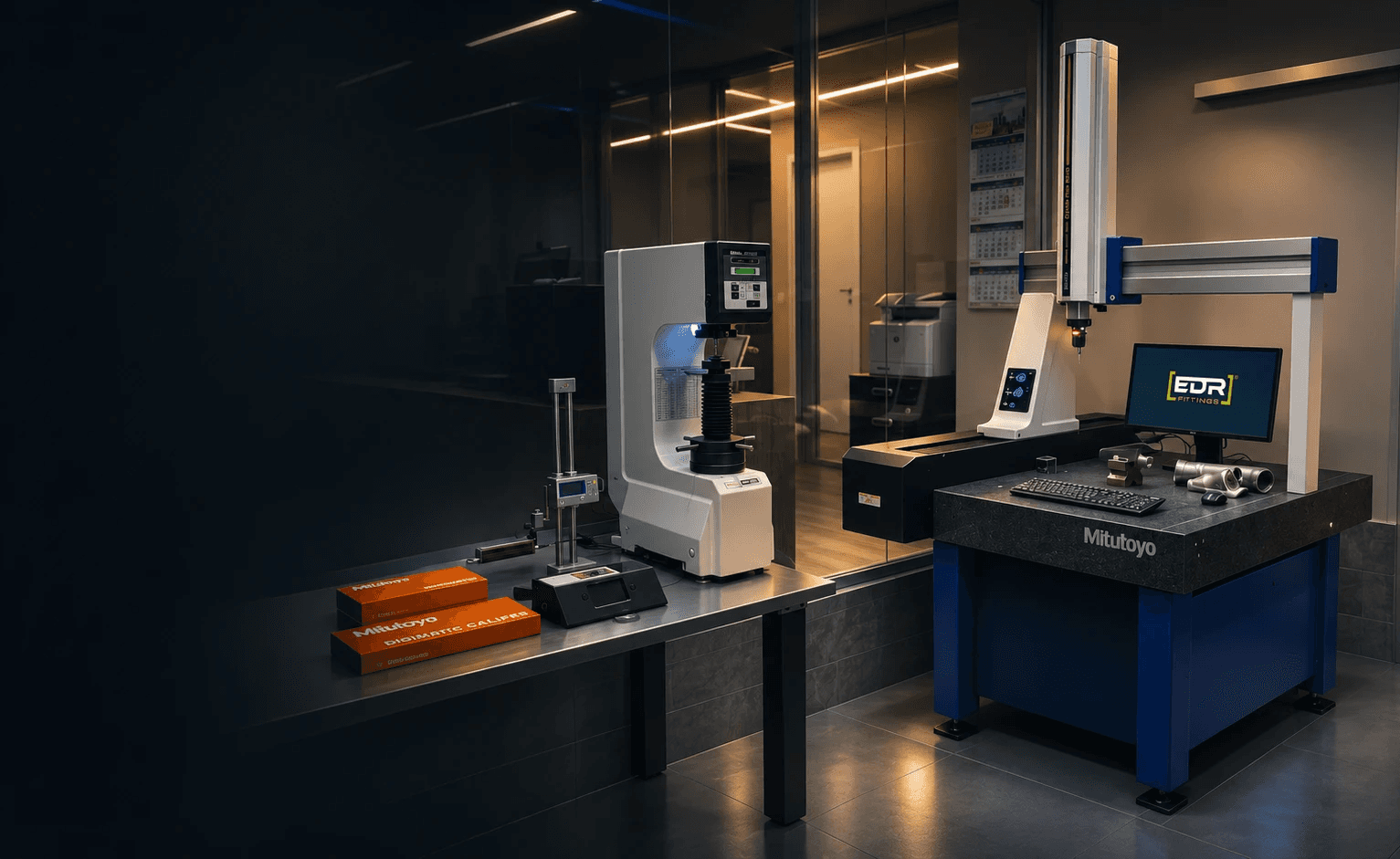
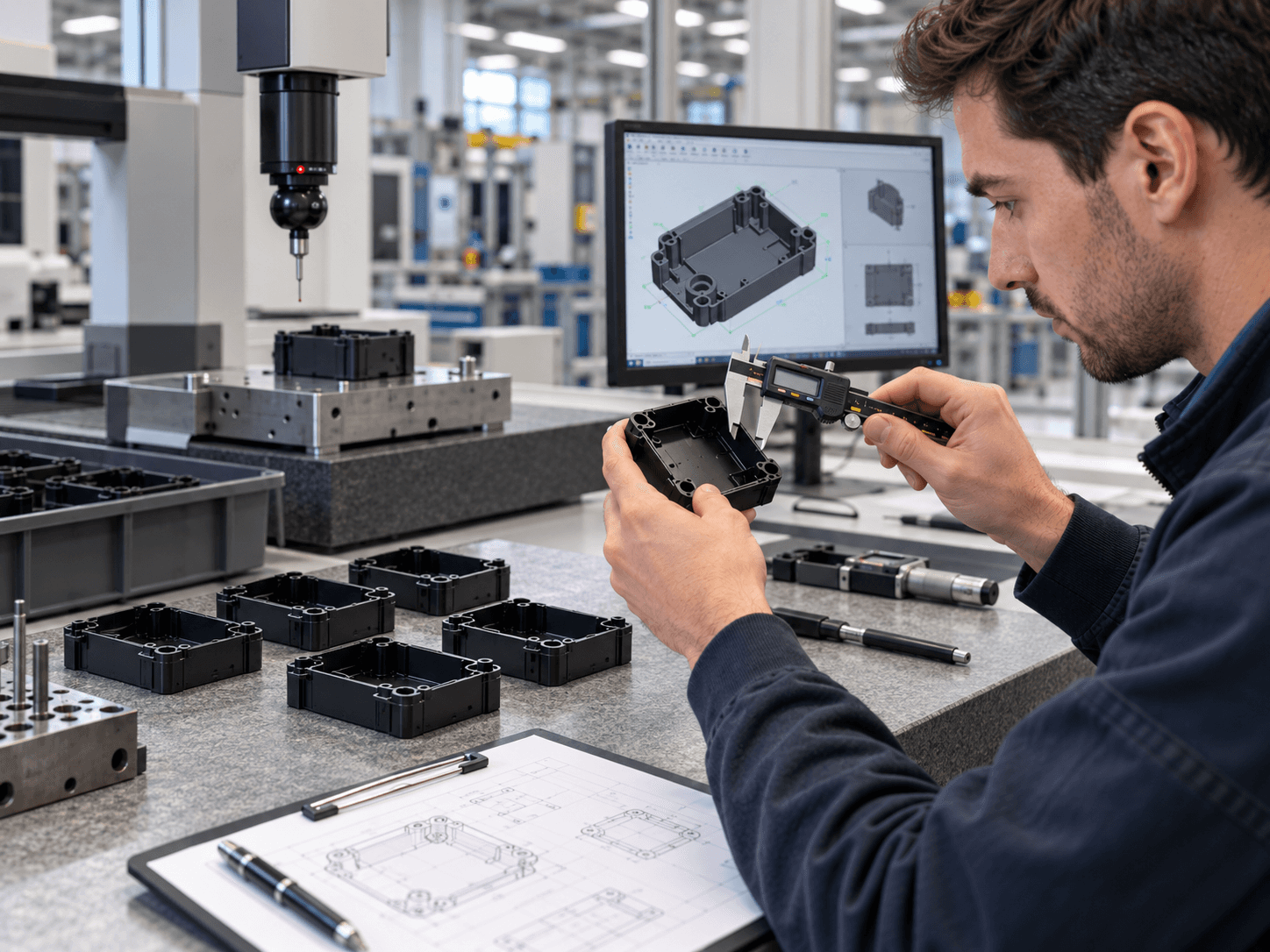
In the in-house metrology laboratory we carry out

dimensional checks and targeted inspections to assess the conformity

of components.

In the in-house metrology laboratory we carry out

dimensional checks and targeted inspections to assess

ensuring component conformity.

In the in-house metrology laboratory we carry out dimensional checks and targeted inspections to assess the conformity of components.

TECHNOLOGIES COMPARED

TECHNOLOGIES COMPARED

Compare technologies
to choose more precisely.

Compare technologies
to choose more precisely.

Compare precision, finish, size and processes to identify

the technology best suited to the needs of your project.

Compare precision, finish, size and processes to identify the technology best suited to the needs of your project.

TECHNOLOGIES COMPARED

Compare technologies
to choose more precisely.

Compare precision, finish, size and processes to identify

the technology best suited to the needs of your project.

MACHINING
DIE CASTING
TOLERANCES
Maximum precision(up to IT 5-7)
Very high(ISO 8062 DCTG 3-5)
FINISH
Ra 0.2 - 1.6 µm
Ra 0.8 - 1.6 µm
WEIGHT / SIZE
No theoretical limits
From a few grams to ~20 kg
MIN. QUANTITY PER BATCH
Flexible(from 50 pcs to large series)
Very high(>5,000 pcs)
TOOLING COST
LOW
HIGH
MECHANICAL PROPERTIES
EXCELLENT
GOOD
PRESSURE TIGHTNESS
VERY GOOD
IMPREGNATION REQUIRED
MATERIALS
STAINLESS AND CARBON STEELS · SUPERALLOYS · ALUMINIUM · BRASS · BRONZE
ALUMINIUM · ZAMAK · BRASS
FEATUREMACHININGDIE CASTINGFORGINGEXTRUSIONIRON CASTINGSMIMSINTERED PARTSINVESTMENT CASTINGFABRICATION
TOLERANCES
Maximum precision(up to IT 5-7)
Very high(ISO 8062 DCTG 3-5)
Medium / Good(EN 10243)
UNI EN 755-9
Medium / Low(ISO 8062 DCTG 8-10)
Excellent(±0.3% - ±0.5%)
High(IT 8 - IT 11)
Very good(ISO 8062 DCTG 4-6)
Low / Medium(ISO 2768-m/c)
FINISH
Ra 0.2 - 1.6 µm
Ra 0.8 - 1.6 µm
Ra 3.2 - 6.3 µm
Ra 1.6 µm
Ra 6.3 - 12.5 µm
Ra 0.4 - 1.6 µm
Ra 1.6 - 3.2 µm
Ra 1.6 - 3.2 µm
Ra 6.3 - 12.5 µm
WEIGHT / SIZE
No theoretical limits
From a few grams to ~20 kg
From 100 g to >1,000 kg
Up to 6 m
From a few kg to tens of tonnes
Very small(<100 g, max ~250 g)
Small / Medium(up to ~2-3 kg)
From a few grams to ~150 kg
Medium-large sizes and structures
MIN. QUANTITY PER BATCH
Flexible(from 50 pcs to large series)
Very high(>5,000 pcs)
Medium / High(>500 pcs)
Medium / High(>2,000 pcs)
Low / Medium(from 50 pcs)
Very high(>10,000 pcs)
High(>5,000 pcs)
Medium / Low(50 - 500 pcs)
Flexible(from 50 pcs to large series)
TOOLING COST
LOW
HIGH
MEDIUM
LOW
LOW
HIGH
HIGH
LOW
LOW
MECHANICAL PROPERTIES
EXCELLENT
GOOD
EXCELLENT
EXCELLENT
GOOD
EXCELLENT
EXCELLENT
GOOD
GOOD
PRESSURE TIGHTNESS
VERY GOOD
IMPREGNATION REQUIRED
VERY GOOD
VERY GOOD
GOOD
VERY GOOD
VERY GOOD
GOOD(NOT SUITABLE FOR HYDRAULICS)
GOOD(SUBJECT TO TESTING)
MATERIALS
STAINLESS AND CARBON STEELS · SUPERALLOYS · ALUMINIUM · BRASS · BRONZE
ALUMINIUM · ZAMAK · BRASS
ALUMINIUM · STAINLESS AND CARBON STEELS · ALLOY STEELS · BRASS
ALUMINUM
GREY · DUCTILE · MEEHANITE CAST IRON
STAINLESS AND CARBON STEELS · ALLOY STEELS · BRASS
STAINLESS AND CARBON STEELS · SUPERALLOYS · ALUMINIUM ALLOYS · BRASS · BRONZE
STAINLESS AND CARBON STEELS · SUPERALLOYS · ALUMINIUM · BRASS · BRONZE

CERTIFIED QUALITY

CERTIFIED QUALITY

Verified quality, controlled process.

Verified quality, controlled process.

Verified quality, controlled process.

EDR applies internationally recognized management and control systems to ensure consistent quality, traceable processes and compliance with standards throughout all production phases.

EDR applies internationally recognized management and control systems to ensure consistent quality, traceable processes and compliance with standards throughout all production phases.

ISO 9001

Quality management system

Organized, controlled processes oriented to continuous improvement, from technical management to production.

ISO 9001

Quality management system

Organized, controlled processes oriented to continuous improvement, from technical management to production.

ACCREDIA

Accreditation and compliance

Certification is backed by a recognized accreditation system, guaranteeing reliability and compliance with applicable standards.

ACCREDIA

Accreditation and compliance

Certification is backed by a recognized accreditation system, guaranteeing reliability and compliance with applicable standards.

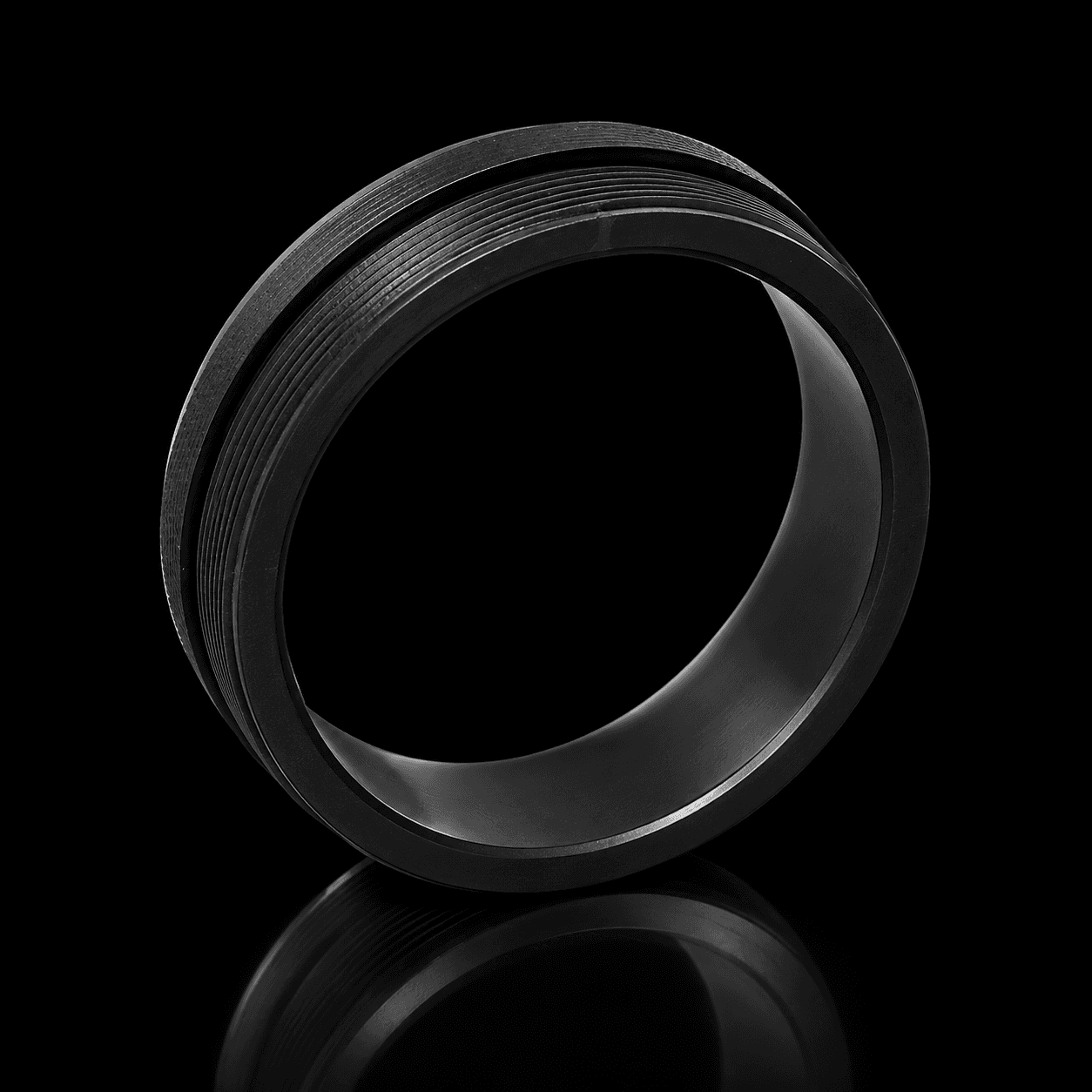
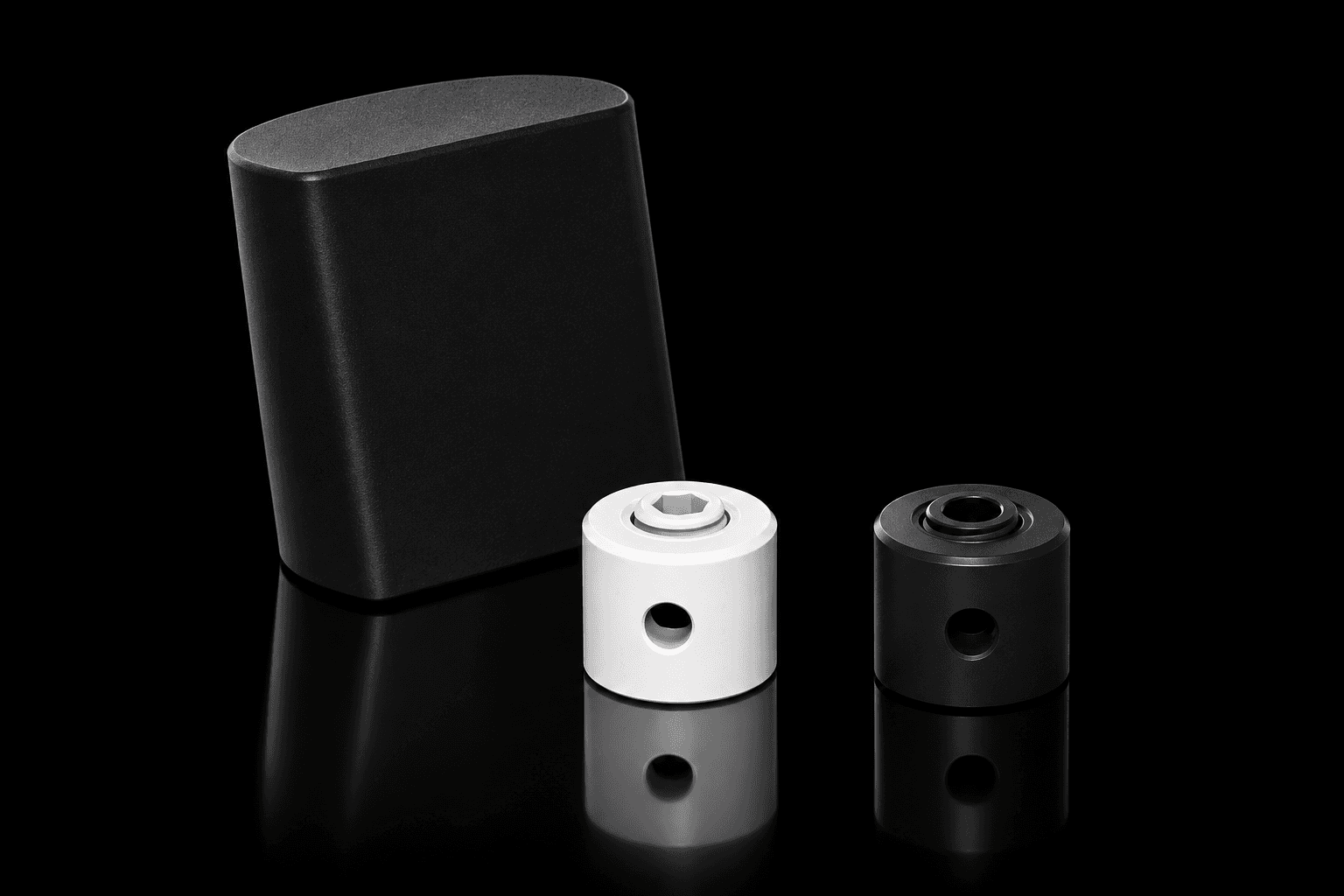
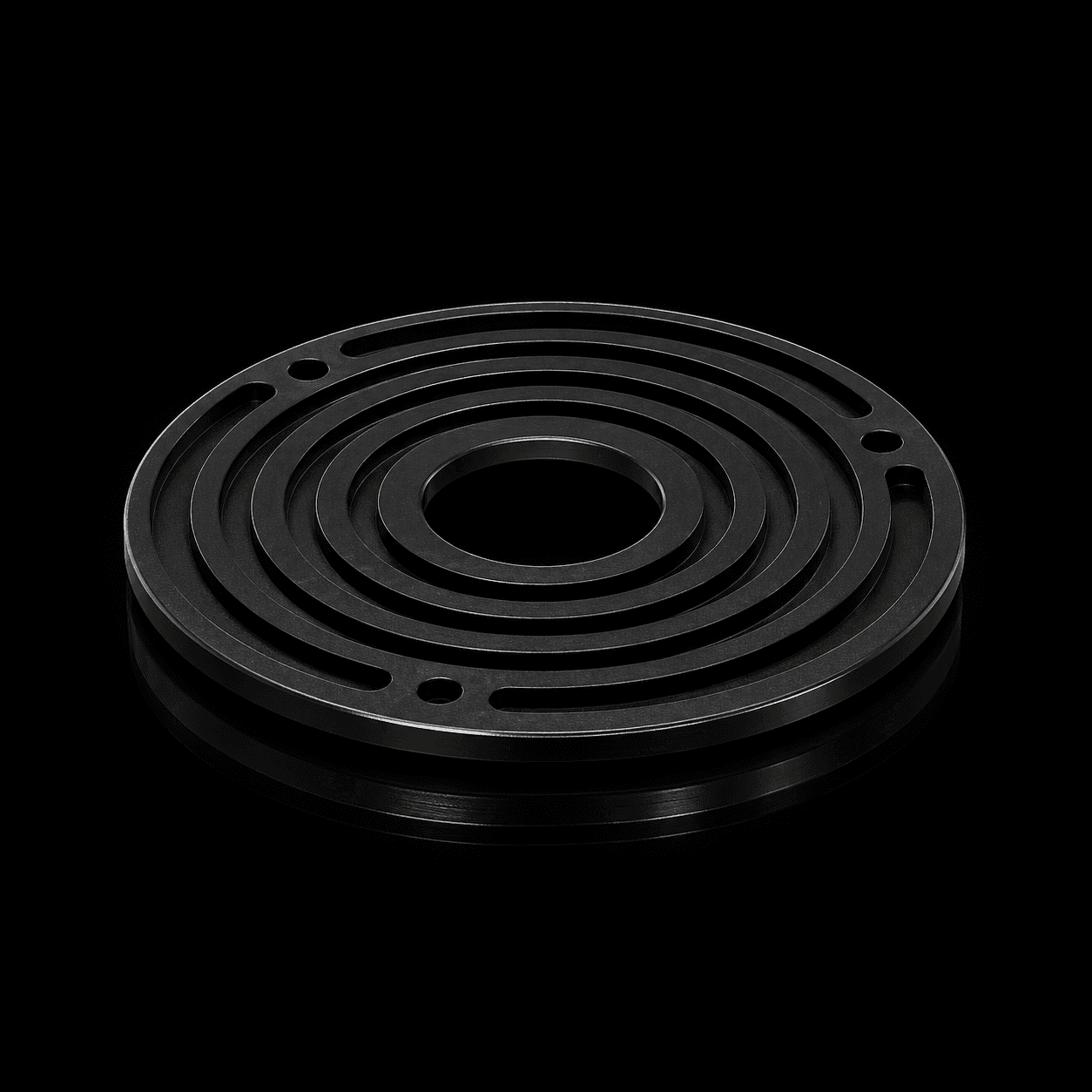
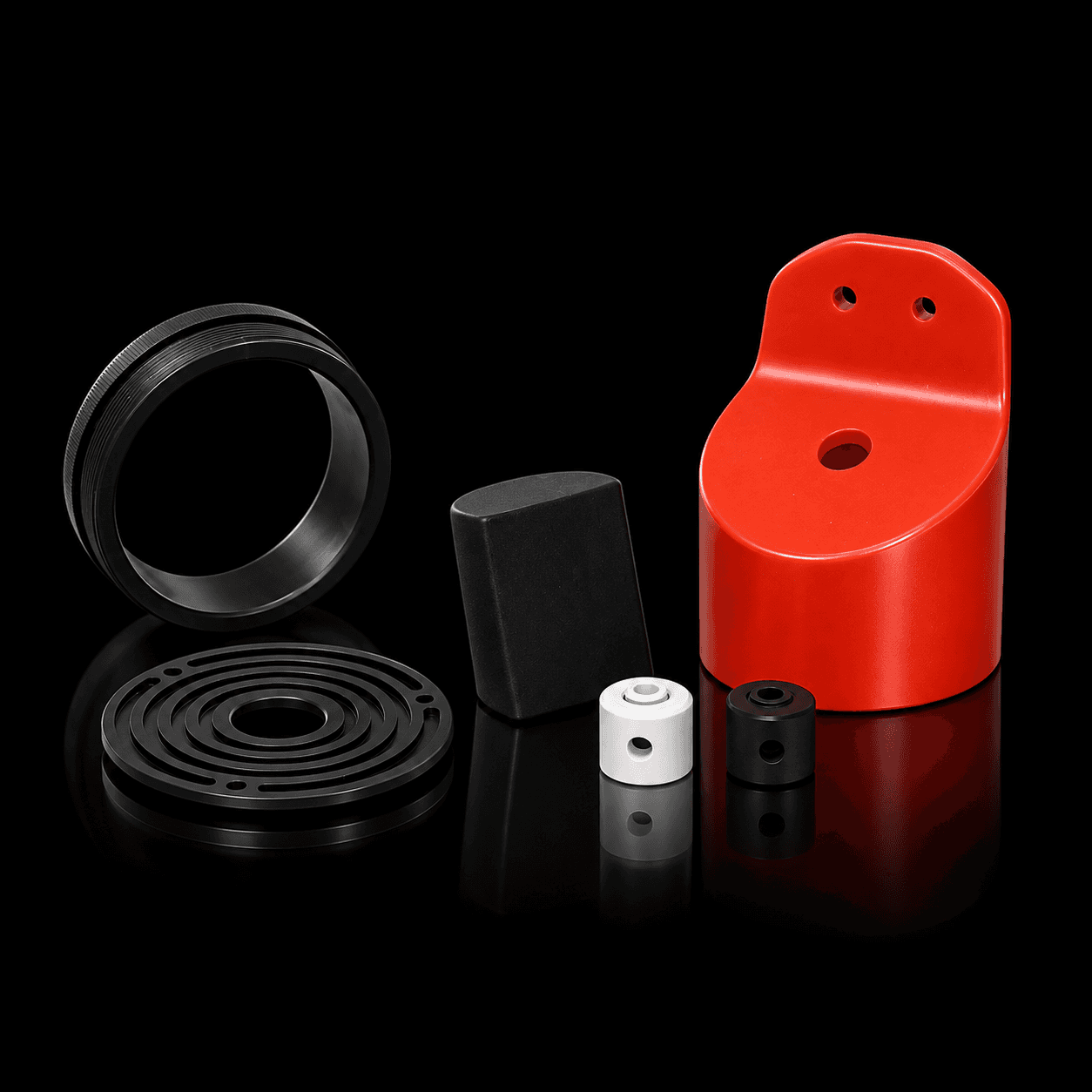
COMPONENTS MADE

COMPONENTS MADE

Our work in plastic materials.

Our work in plastic materials.

Our work in plastic materials.

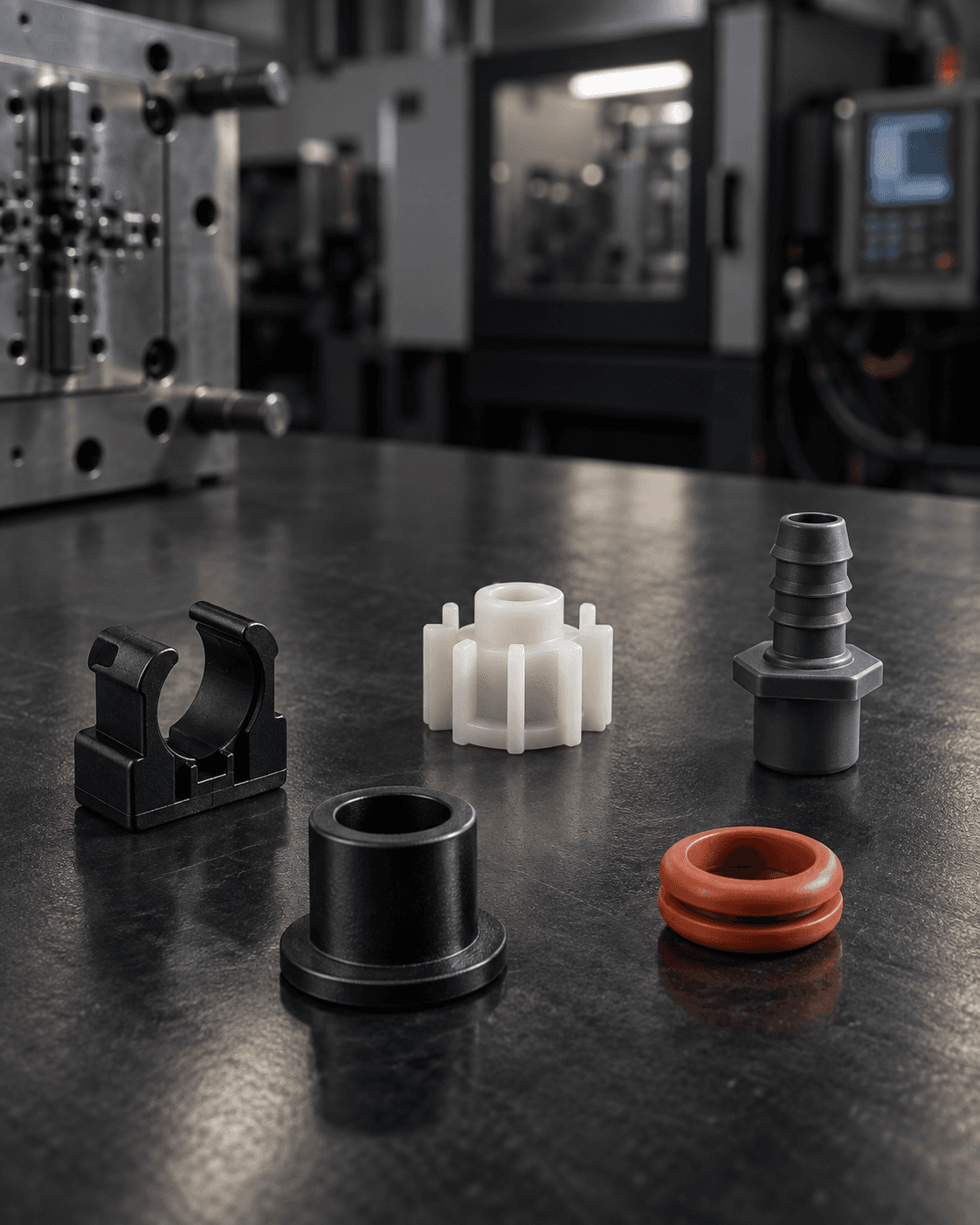
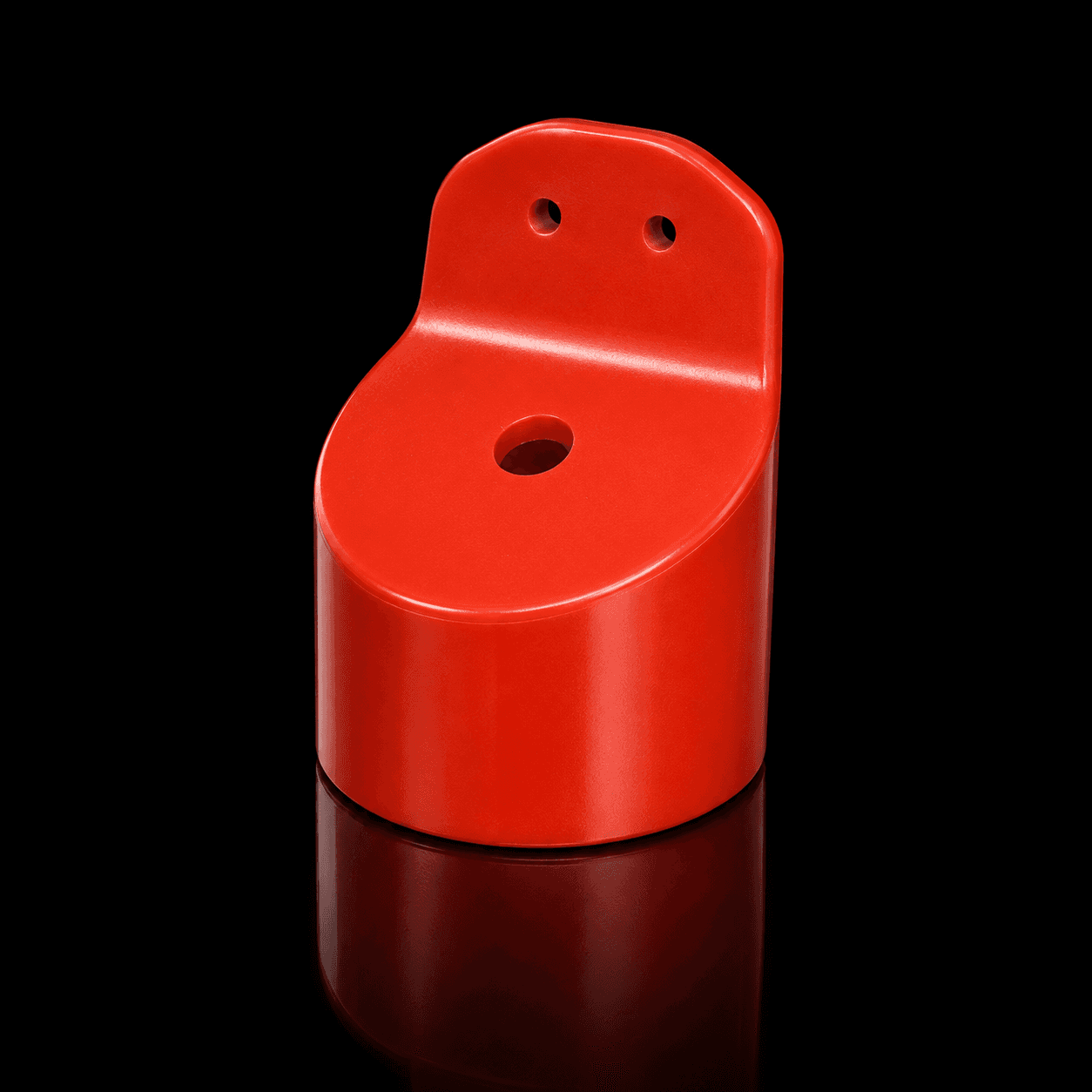
A selection of components made from plastic materials, to drawing or sample, with

geometries, characteristics and finishes designed to meet the needs of each application.

A selection of components made from plastic materials, to drawing or sample, with

geometries, characteristics and finishes designed to meet the needs of each application.

A selection of components made from plastic materials, to drawing or sample, with geometries, characteristics and finishes designed to meet the needs of each application.

PLASTICS FAQ

PLASTICS FAQ

Everything you need to know
about plastics processing.

Everything you need to know about plastics processing.

Polymer, mold and operating conditions must be assessed together. These answers help define a complete production request.

Polymer, mold and operating conditions must be assessed together. These answers help define a complete production request.

Is plastic always injection molded?

Injection is a widespread process for producing thermoplastic parts in series, but the choice depends on the material and the drawing. Rubber and elastomers may require molding and vulcanization; conventional PTFE uses specific cycles, different from ordinary thermoplastic injection. For some geometries or quantities, CNC machining of a semi-finished product may be suitable. EDR assesses injection, vulcanization, overmolding and CNC according to the component’s needs. The injection process described here applies to thermoplastics and should be distinguished from the cycles for rubber and PTFE.

How is the material selected for the application?

Besides stiffness and strength, temperature, contact with fluids, outdoor exposure, friction and dimensional stability must be considered. Among thermoplastics, PP and ABS can be evaluated, for example; for technical functions, PA, POM or PC, with compatible fillers and reinforcements where needed. The family name alone does not identify performance: grade, formulation and operating conditions matter. EDR verifies the material with the manufacturer, asking for the functional properties and the documentation needed for the component to be defined.

When is it worth investing in a mold?

The mold must be assessed together with the number of parts expected over the product’s life. Geometry, material, cavities and finish affect its cost, while cycle time and scrap affect the series price. Undercuts and areas that are hard to eject may require additional mechanisms. EDR compares these elements with the quantities and frequency of supply; where appropriate, it assesses a different process. Batch size, sampling, ownership and management of tooling are defined in the proposal.

How are part tolerances and stability assessed?

Shrinkage, cooling and polymer behavior affect dimensions. Humidity and operating temperature can alter them further. Tolerances and measuring conditions must be agreed for the specific material, checking samples in the intended condition.

Which drawing details affect part quality?

Uneven wall thicknesses, massive ribs and insufficient draft can cause sink marks, warping or ejection difficulties. Gate locations, weld lines and ejector marks must be assessed on functional and cosmetic surfaces.

Can parts for food contact be produced?

Food use requires verification of the grade, the contact conditions and the documentation applicable to the finished part. The polymer name is not enough. Requirements must be stated before the material is chosen.

Are inserts and overmolding possible?

Inserts and overmolding can integrate different materials or functions, if design and process allow. Compatibility, adhesion and thermal expansion must be assessed. Color, texture and any subsequent operations must be defined and verified on samples.

What should be checked before starting series production?

Sampling makes it possible to verify dimensions, assembly, appearance and functional requirements. The control plan identifies critical characteristics and acceptance criteria, linking them to the material and drawing revision.
REQUEST A TECHNICAL ANALYSIS

Do you have a component to make in plastic? Let’s assess it together.

Do you have a component to make in plastic? Let’s assess it together.

Send us your technical drawing and the main project requirements. We will analyze geometry, material, quantity, tolerances and finishes to verify feasibility and define the most suitable production solution.

Send us your technical drawing and the main project requirements. We will analyze geometry, material, quantity, tolerances and finishes to verify feasibility and define the most suitable production solution.

Send us your technical drawing and the main project requirements. We will analyze geometry, material, quantity, tolerances and finishes to verify feasibility and define the most suitable production solution.

Send your technical drawing [DWG]

Create a free website with Framer, the website builder loved by startups, designers and agencies.

Website by SqualiOnline™