TECHNOLOGY • FORGING

TECHNOLOGY • FORGING

Strength and performance through Forging.

Strength and performance through Forging.

Strength and performance through Forging.

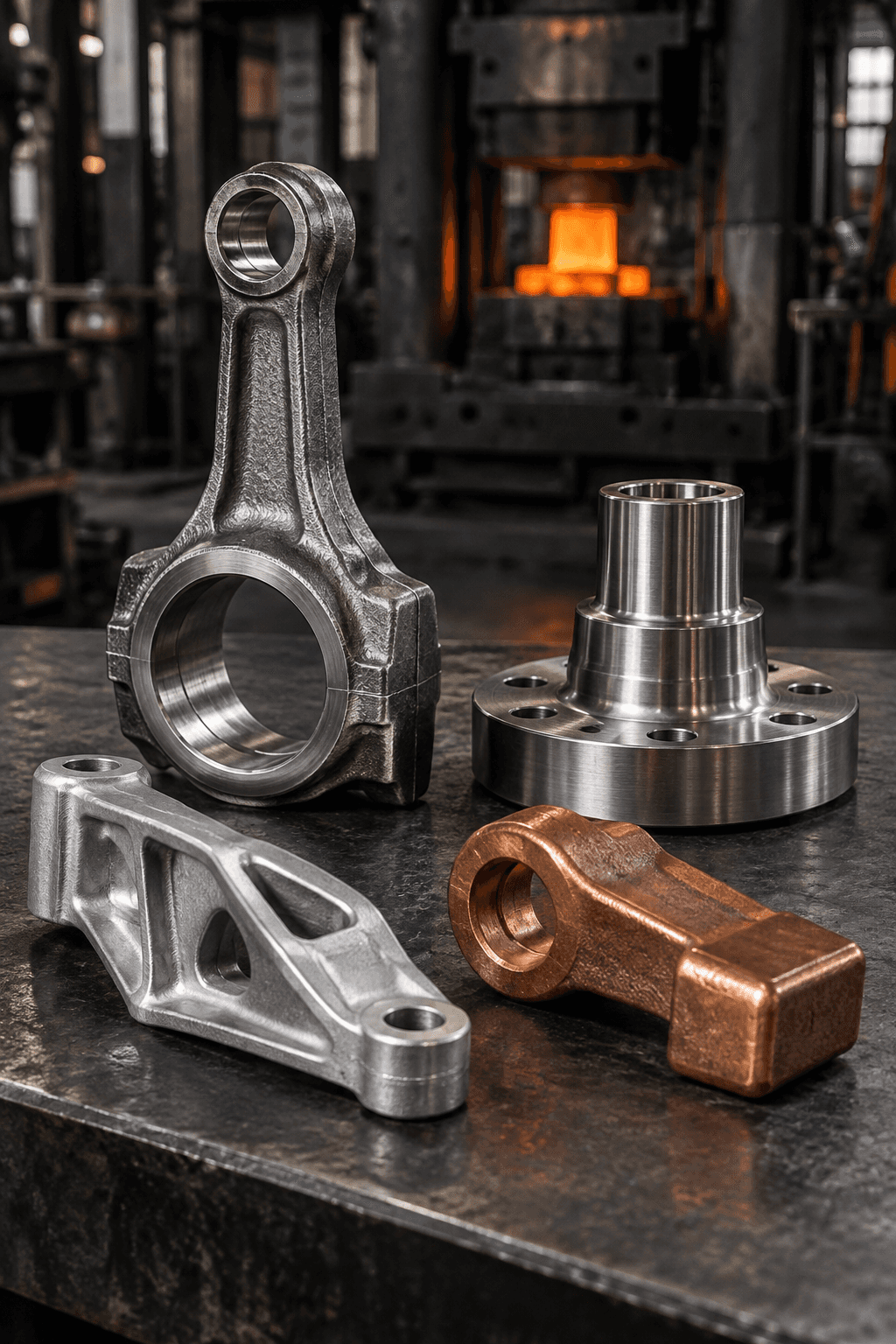
We make forged components to drawing for applications

subject to loads and stresses, assessing material,

shape and treatments according to the required performance.

We make forged components to drawing for applications

subject to loads and stresses, assessing material,

shape and treatments according to the required performance.

We make forged components to drawing, assessing material, shape and treatments according to the required performance.

THE FORGING PROCESS

THE FORGING PROCESS

From billet to part, the metal changes shape.

From billet to part,
the metal changes shape.

From billet to part, the metal changes shape.

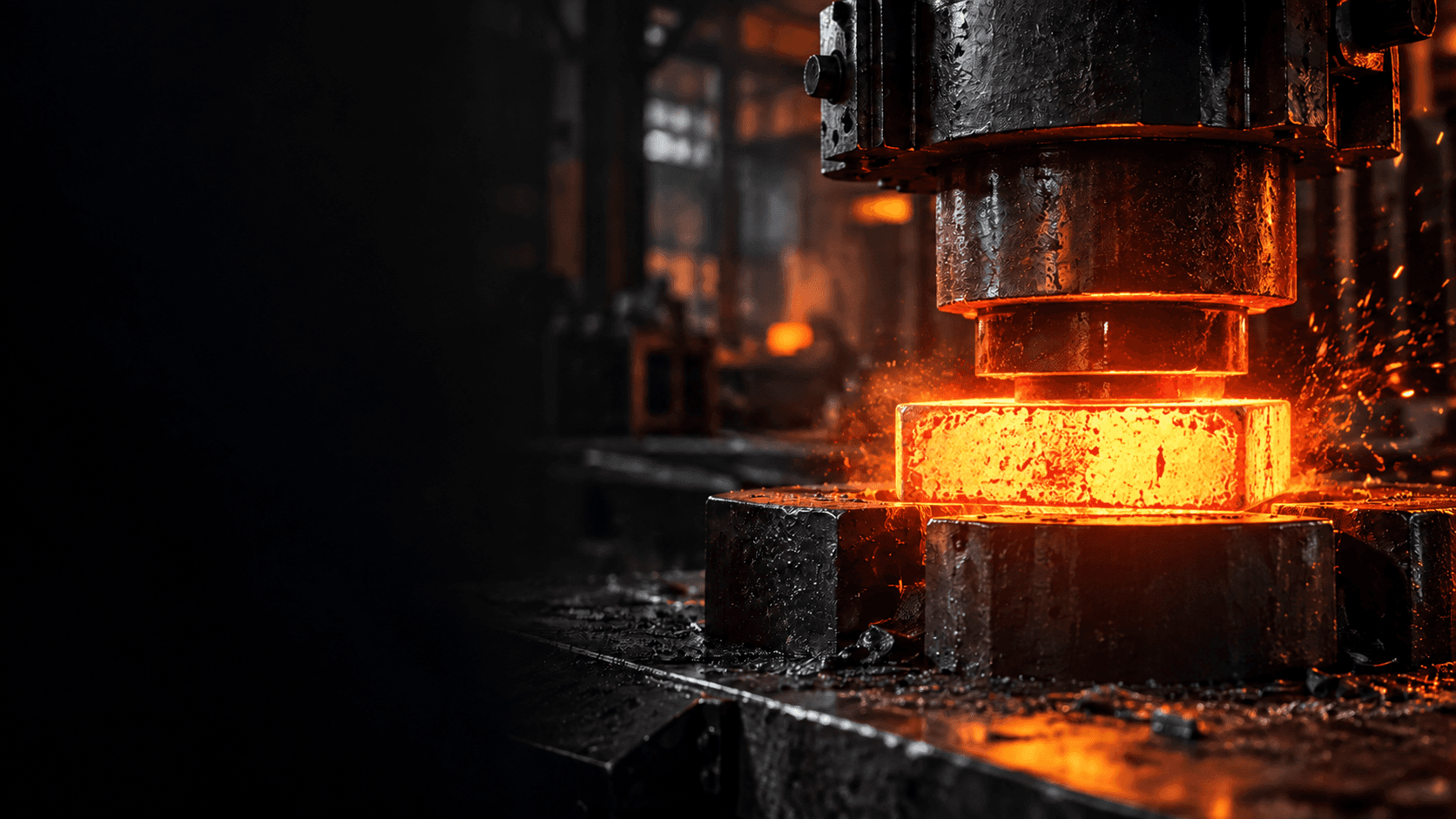
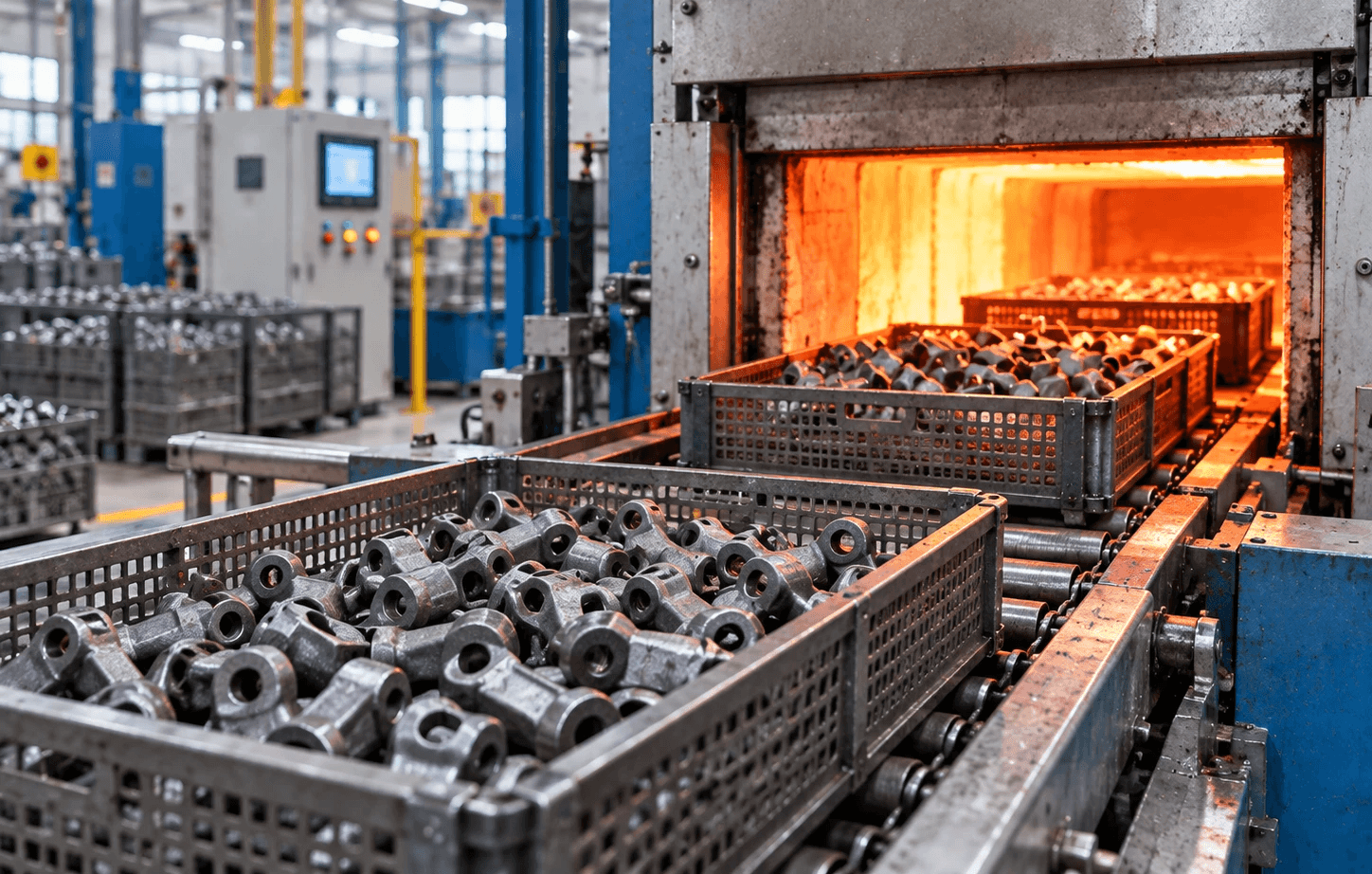
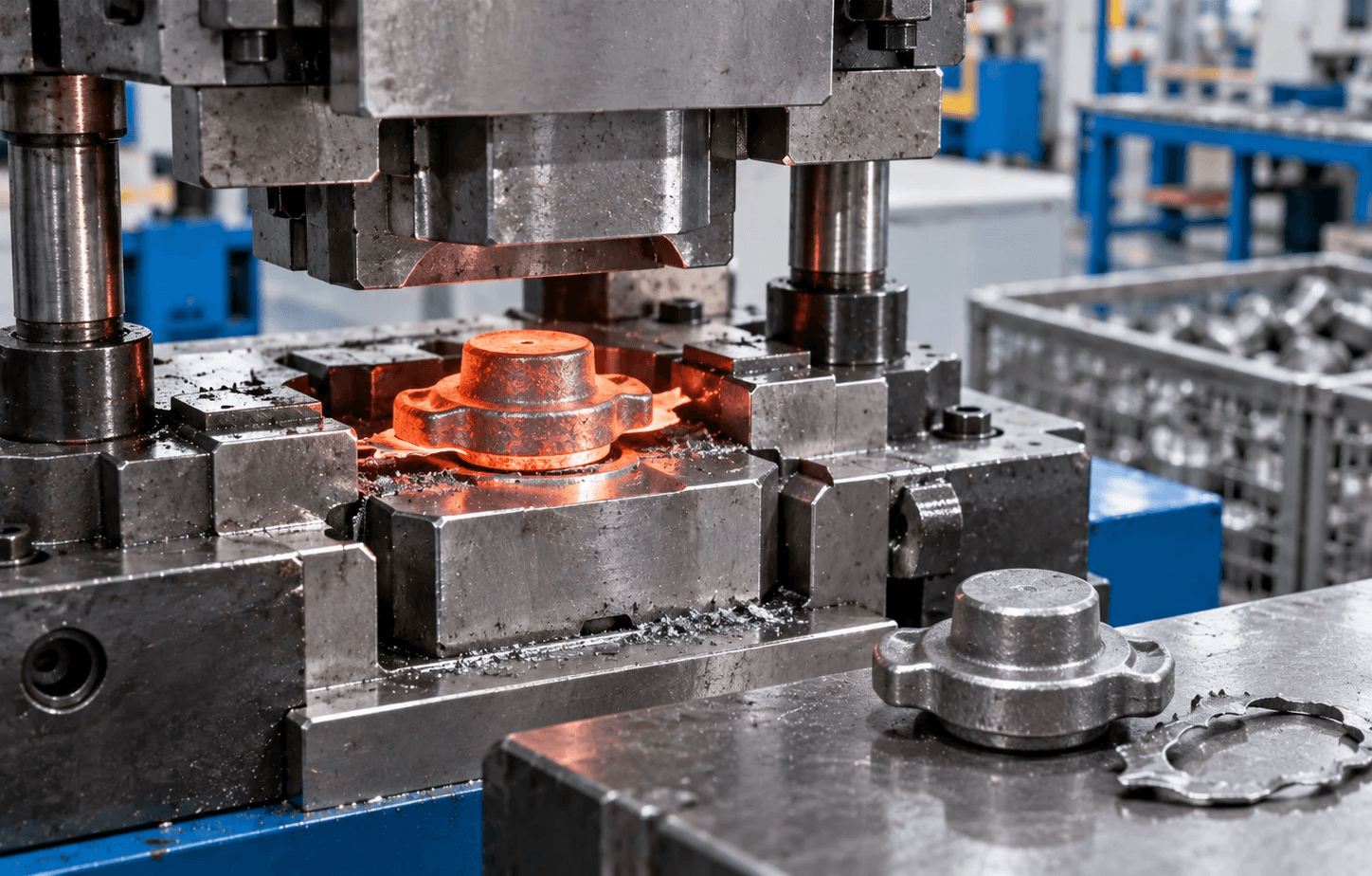
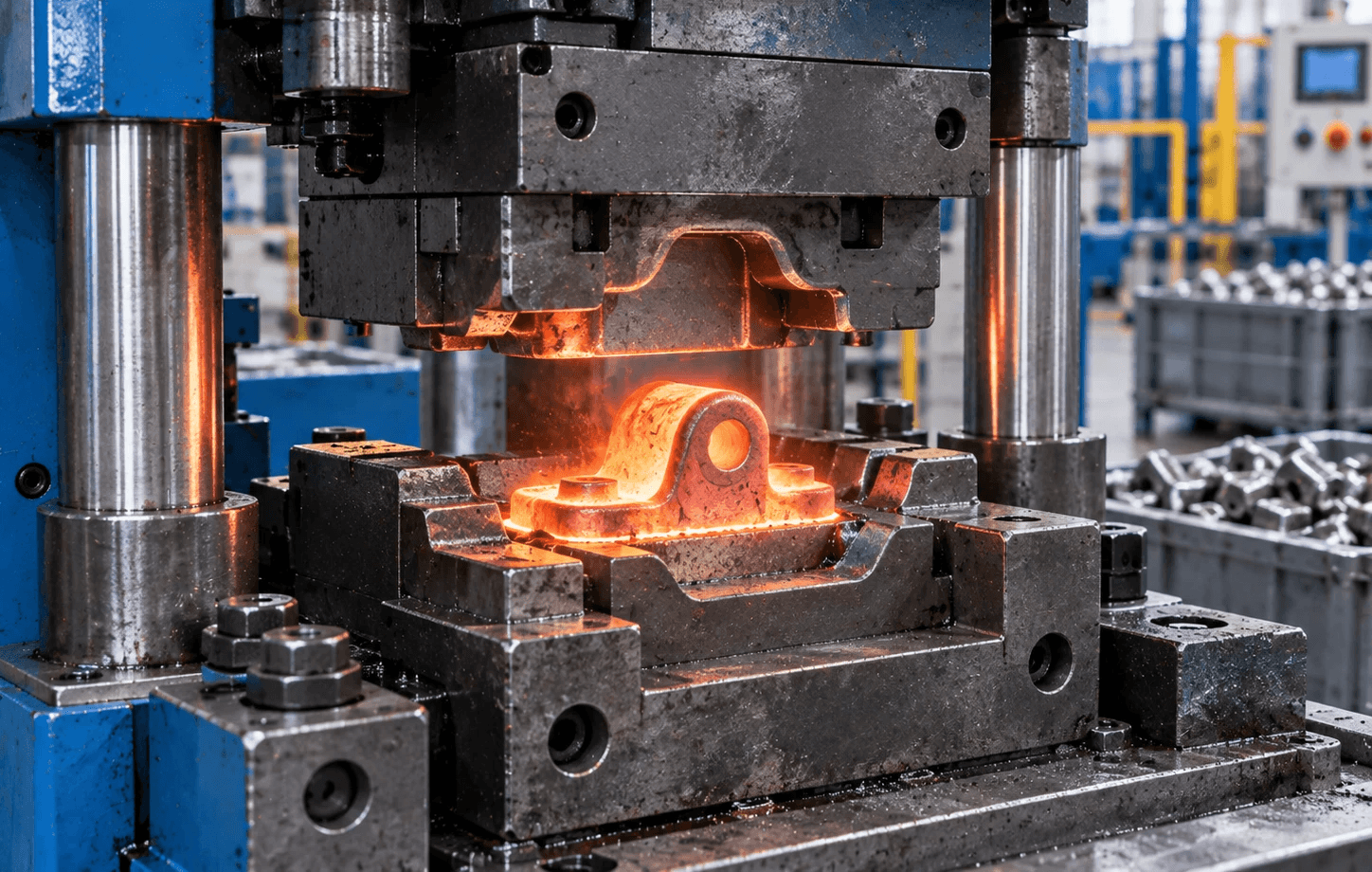
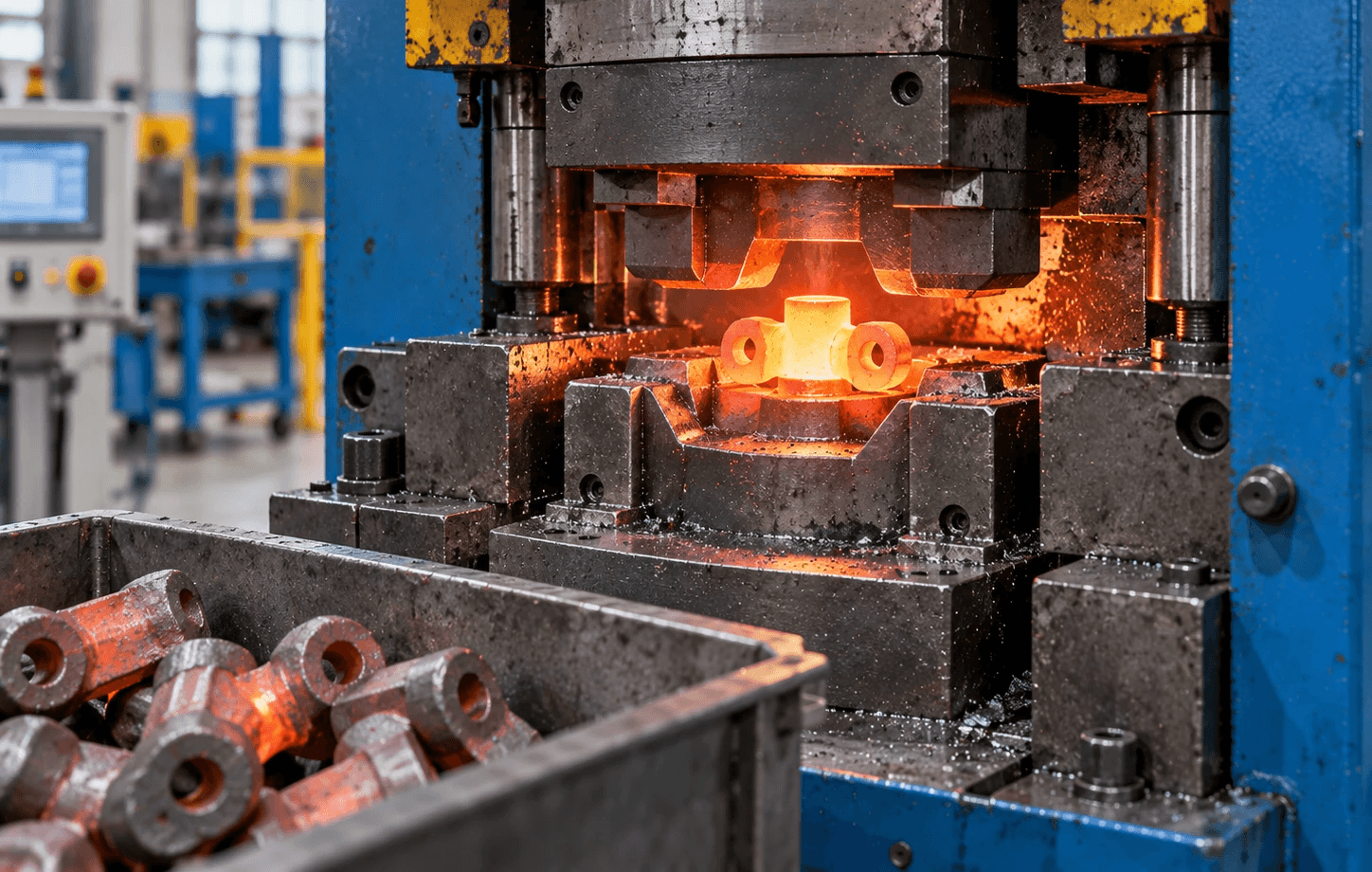
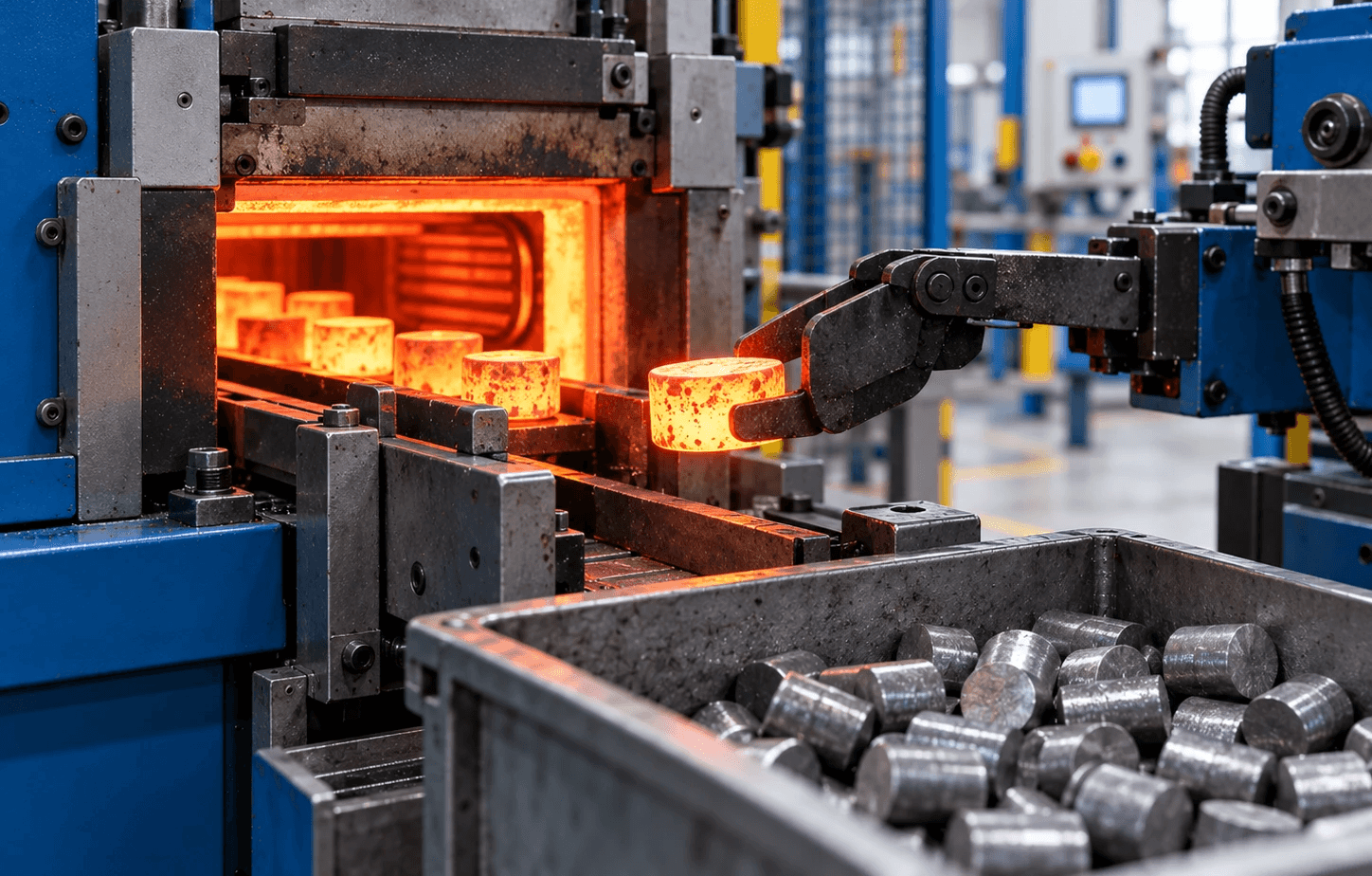
In hot stamping, the metal is heated and deformed in dedicated tooling.

EDR coordinates the production cycle, from the initial specifications to the final inspections.

In hot stamping, the metal is heated and deformed in dedicated tooling. EDR coordinates the production cycle, from the initial specifications to the final inspections.

01

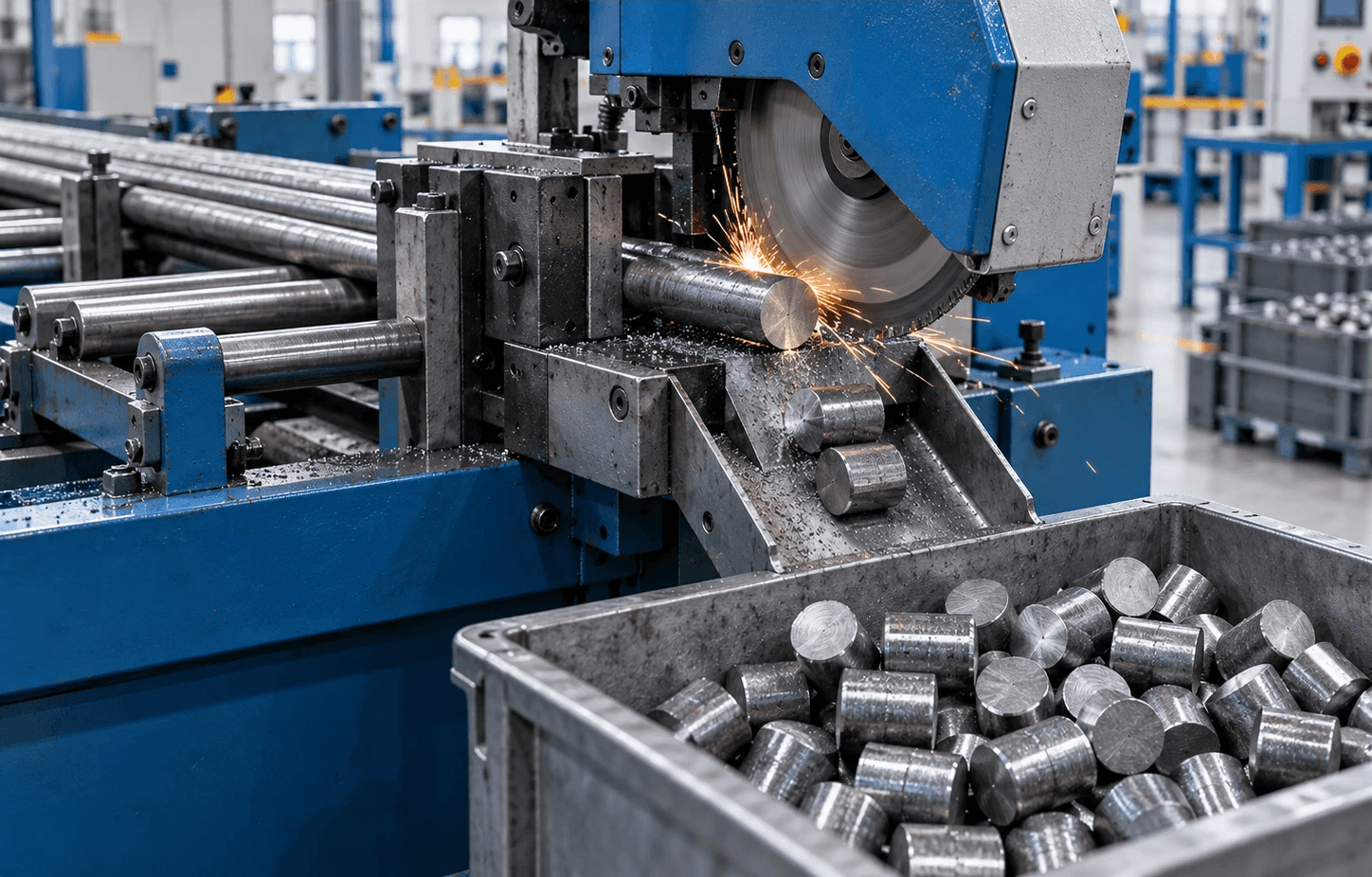
Blank preparation

The bar or billet is cut to the amount of material needed for the component.

02

Material heating

03

Preforming

04

Stamping

05

Trimming and deburring

06

Heat treatment

07

Machining and finishing

08

Final inspection

Upload a photo from the properties panel

01

02

03

04

05

06

07

08

01

Blank preparation

The bar or billet is cut to the amount of material needed for the component.

02

Material heating

03

Preforming

04

Stamping

05

Trimming and deburring

06

Heat treatment

07

Machining and finishing

08

Final inspection

Upload a photo from the properties panel

01

02

03

04

05

06

07

08

Image with border

THE ADVANTAGES OF FORGING

Metal structure oriented to in-service stresses.

Metal structure oriented to in-service stresses.

Metal structure oriented to in-service stresses.

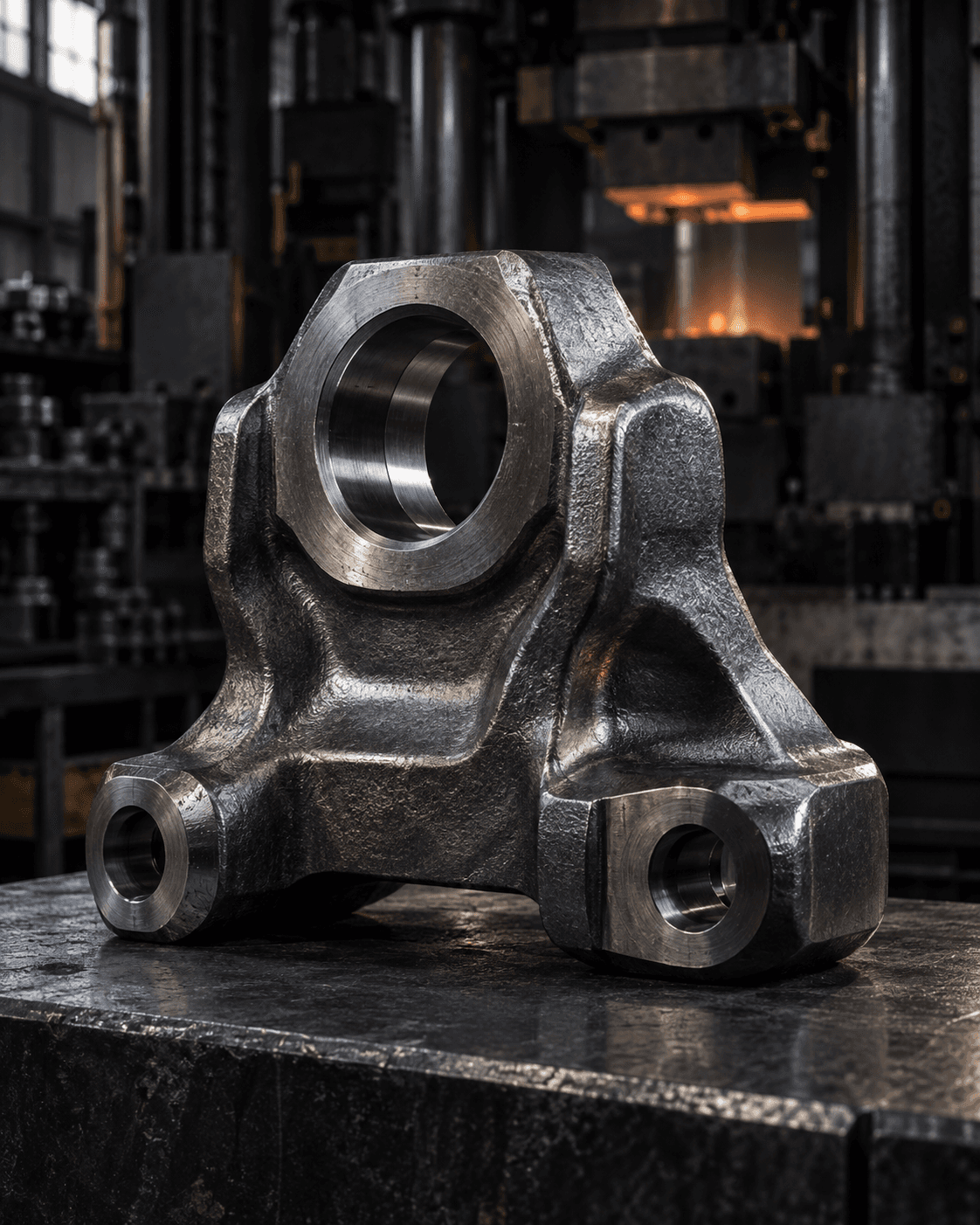
Forging modifies the structure of the metal and orients its grain flow. With proper design, it produces components suited to repeated loads, limiting the material to be removed compared with machining from solid.

Forging modifies the structure of the metal and orients its grain flow. With proper design, it produces components suited to repeated loads, limiting the material to be removed compared with machining from solid.

Forging modifies the structure of the metal and orients its grain flow. With proper design, it produces components suited to repeated loads, limiting the material to be removed compared with machining from solid.

✓

Oriented metal grain flow

Oriented metal grain flow

Oriented metal grain flow

✓

Good resistance to repeated loads

Good resistance to repeated loads

Good resistance to repeated loads

✓

Geometries close to the finished component

Geometries close to the finished component

Geometries close to the finished component

✓

Integration with treatments and machining

Integration with treatments and machining

Integration with treatments and machining

✓

Less material removed from solid

Less material removed from solid

Less material removed

MATERIALS AND TECHNICAL CAPABILITIES
Every component requires
the most suitable alloy.

Every component requires the most suitable alloy.

Every component requires the most suitable alloy.

EDR assesses the alloy's forgeability, the stresses involved and the treatments required. Materials and supply conditions are defined on the drawing.

EDR assesses the alloy's forgeability, the stresses involved and the treatments required. Materials and supply conditions are defined on the drawing.

Stainless steels

Carbon and alloy steels

Aluminium alloys

Copper and its alloys

Stainless steels

Carbon and alloy steels

Aluminium alloys

Copper and its alloys

Image with border

APPLICATIONS OF FORGING

APPLICATIONS OF FORGING

From transmission systems to
components that bear loads.

From transmission systems to
components that bear loads.

From transmission systems to components that bear loads.

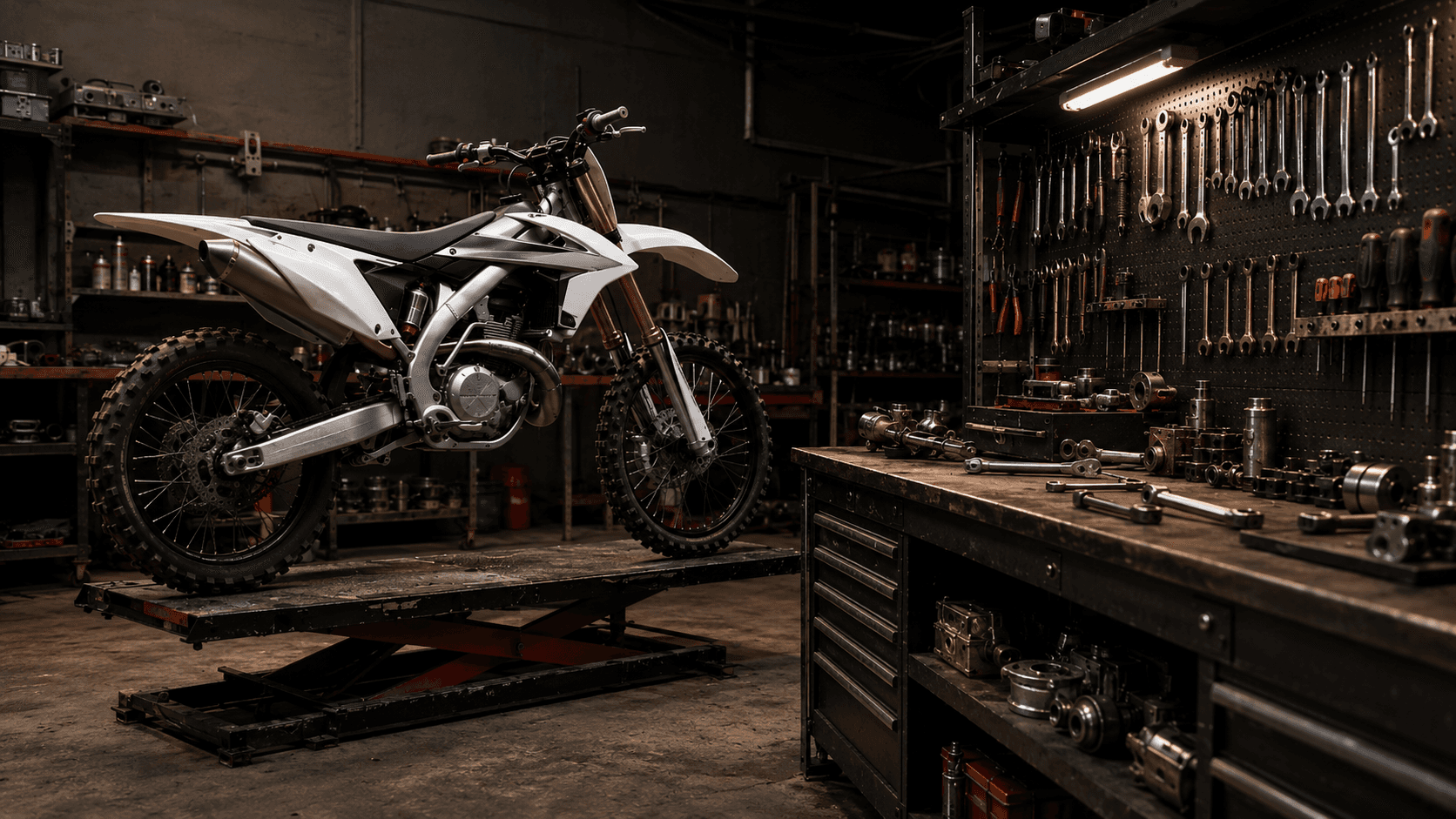
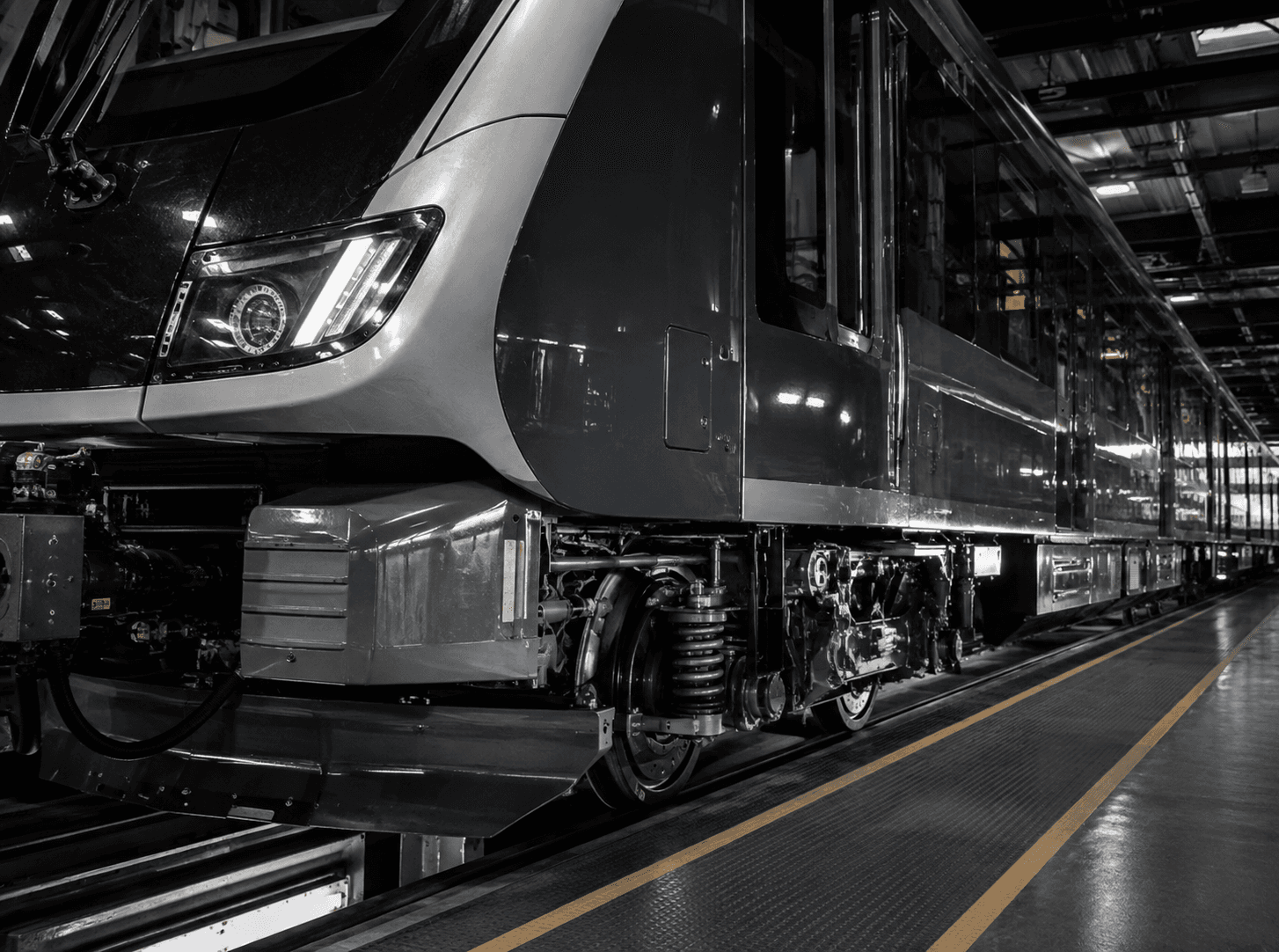
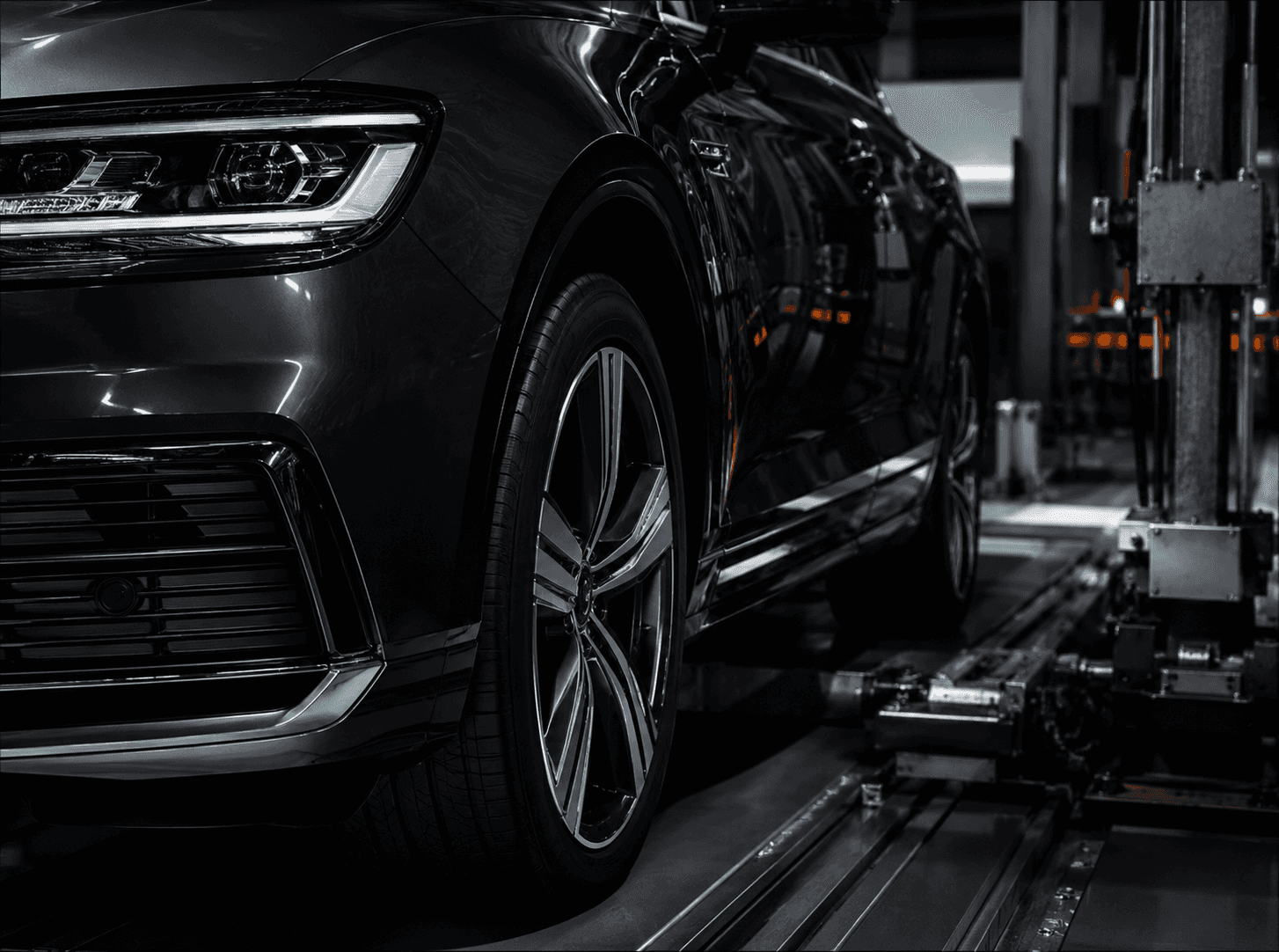
Forging is used in sectors where repeated loads and mechanical strength

drive the choice of component and material.

Forging is used in sectors where repeated loads and mechanical strength drive the choice of component and material.

LABORATORY AND QUALITY CONTROL

LABORATORY AND QUALITY CONTROL

Our in-house laboratory
for quality control.

Our in-house laboratory
for quality control.

Our in-house laboratory for quality control.

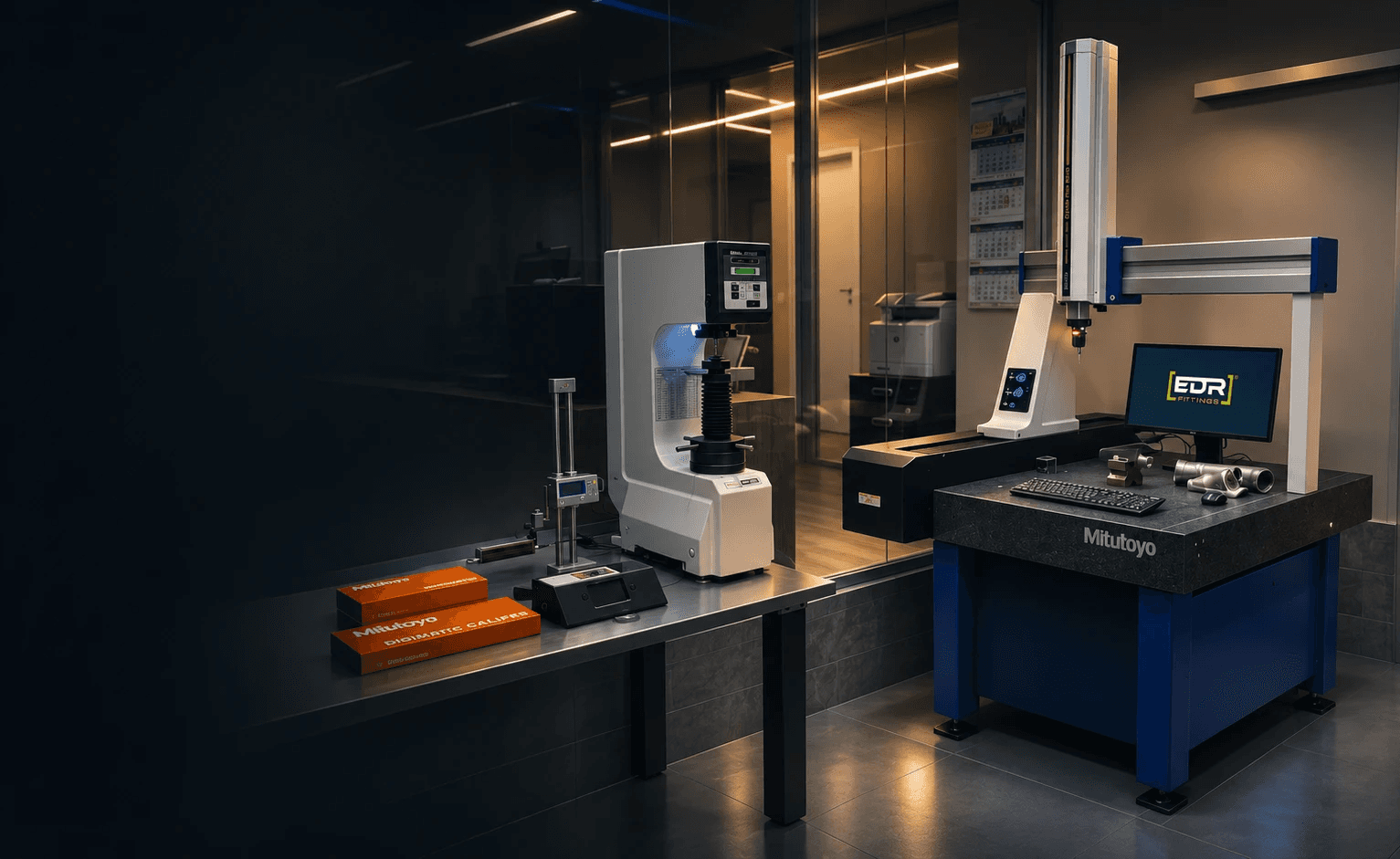
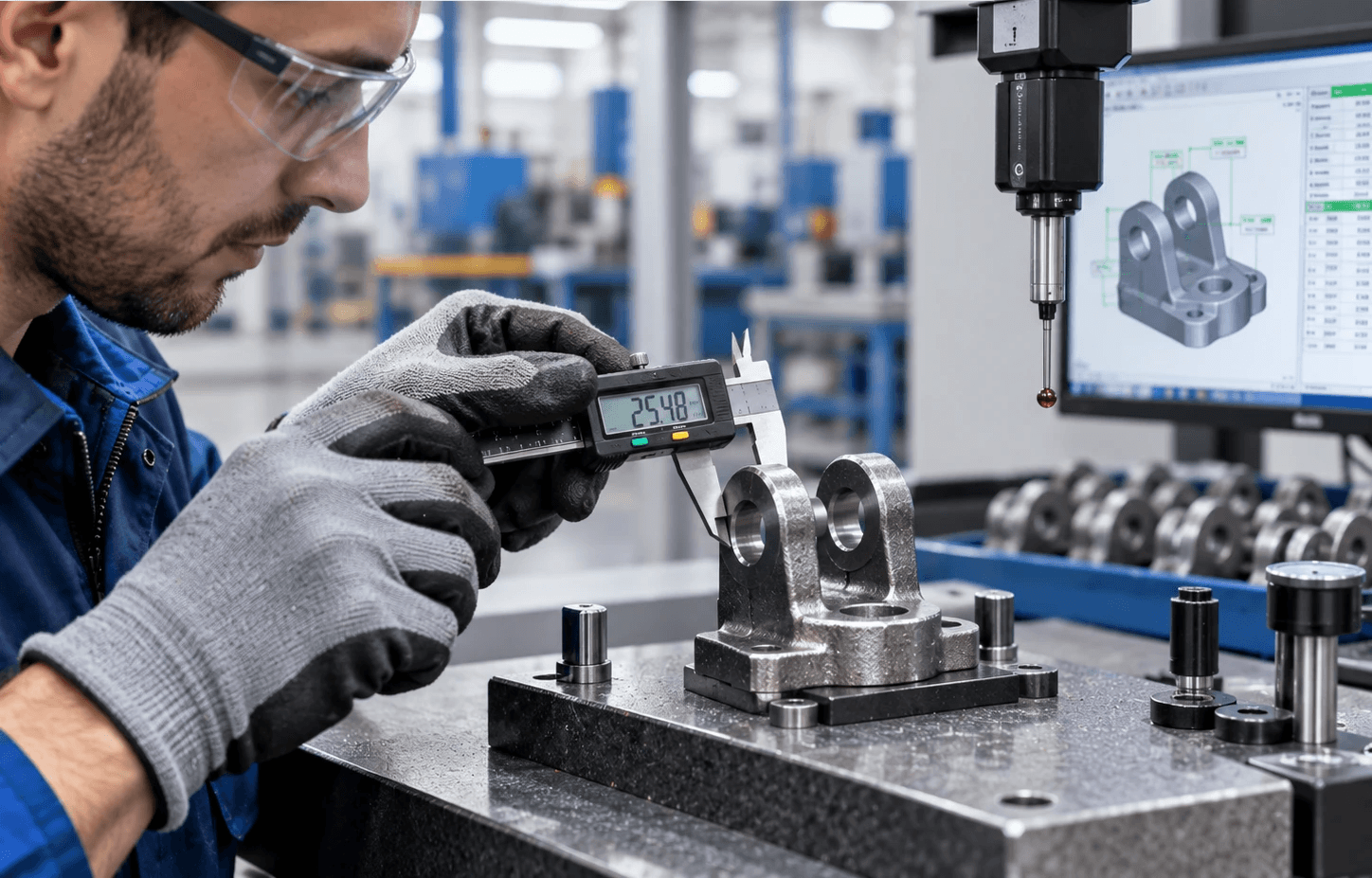
In the in-house metrology laboratory we carry out

dimensional checks and targeted inspections to assess the conformity

of components.

In the in-house metrology laboratory we carry out

dimensional checks and targeted inspections to assess

the conformity of components.

In the in-house metrology laboratory we carry out dimensional checks and targeted inspections to assess the conformity of components.

TECHNOLOGY COMPARISON

TECHNOLOGY COMPARISON

Compare technologies
to choose with greater precision.

Compare technologies
to choose with greater precision.

Compare precision, finish, size and processes to identify

the technology best suited to the needs of your project.

Compare precision, finish, size and processes to identify the technology best suited to the needs of your project.

TECHNOLOGY COMPARISON

Compare technologies
to choose with greater precision.

Compare precision, finish, size and processes to identify

the technology best suited to the needs of your project.

FORGING PROCESS
DIE CASTING
TOLERANCES
Medium / Good(EN 10243)
Very high(ISO 8062 DCTG 3-5)
FINISH
Ra 3.2 - 6.3 µm
Ra 0.8 - 1.6 µm
WEIGHT / SIZE
From 100 g to >1,000 kg
From a few grams to ~20 kg
MIN. BATCH QUANTITY
Medium / High(>500 pcs)
Very high(>5,000 pcs)
TOOLING COST
MEDIUM
HIGH
MECHANICAL PROPERTIES
EXCELLENT
GOOD
PRESSURE TIGHTNESS
VERY GOOD
IMPREGNATION REQUIRED
MATERIALS
ALUMINIUM · STAINLESS AND CARBON STEELS · ALLOY STEELS · BRASS
ALUMINIUM · ZAMAK · BRASS
FEATUREFORGING PROCESSDIE CASTINGINVESTMENT CASTINGEXTRUSIONIRON CASTINGSMIMSINTERED PARTSMACHININGFABRICATION
TOLERANCES
Medium / Good(EN 10243)
Very high(ISO 8062 DCTG 3-5)
Very good(ISO 8062 DCTG 4-6)
UNI EN 755-9
Medium / Low(ISO 8062 DCTG 8-10)
Excellent(±0.3% - ±0.5%)
High(IT 8 - IT 11)
Maximum precision(up to IT 5-7)
Low / Medium(ISO 2768-m/c)
FINISH
Ra 3.2 - 6.3 µm
Ra 0.8 - 1.6 µm
Ra 1.6 - 3.2 µm
Ra 1.6 µm
Ra 6.3 - 12.5 µm
Ra 0.4 - 1.6 µm
Ra 1.6 - 3.2 µm
Ra 0.2 - 1.6 µm
Ra 6.3 - 12.5 µm
WEIGHT / SIZE
From 100 g to >1,000 kg
From a few grams to ~20 kg
From a few grams to ~150 kg
Up to 6 m
From a few kg to tens of tonnes
Very small(<100 g, max ~250 g)
Small / Medium(up to ~2-3 kg)
No theoretical limits
Medium-large sizes and structures
MIN. BATCH QUANTITY
Medium / High(>500 pcs)
Very high(>5,000 pcs)
Medium / Low(50 - 500 pcs)
Medium / High(>2,000 pcs)
Low / Medium(from 50 pcs)
Very high(>10,000 pcs)
High(>5,000 pcs)
Flexible(from 50 pcs to large series)
TOOLING COST
MEDIUM
HIGH
LOW
LOW
LOW
HIGH
HIGH
LOW
LOW
MECHANICAL PROPERTIES
EXCELLENT
GOOD
GOOD
EXCELLENT
GOOD
EXCELLENT
EXCELLENT
EXCELLENT
GOOD
PRESSURE TIGHTNESS
VERY GOOD
IMPREGNATION REQUIRED
GOOD(NOT SUITABLE FOR HYDRAULICS)
VERY GOOD
GOOD
VERY GOOD
VERY GOOD
VERY GOOD
GOOD(SUBJECT TO TESTING)
MATERIALS
ALUMINIUM · STAINLESS AND CARBON STEELS · ALLOY STEELS · BRASS
ALUMINIUM · ZAMAK · BRASS
STAINLESS AND CARBON STEELS · SUPERALLOYS · ALUMINIUM ALLOYS · BRASS · BRONZE
ALUMINIUM
GREY · DUCTILE · MEEHANITE CAST IRON
STAINLESS AND CARBON STEELS · ALLOY STEELS · BRASS
STAINLESS AND CARBON STEELS · SUPERALLOYS · ALUMINIUM · BRASS · BRONZE

CERTIFIED QUALITY

CERTIFIED QUALITY

Verified quality, controlled process.

Verified quality, controlled process.

Verified quality, controlled process.

EDR applies internationally recognized management and control systems to ensure consistent quality, traceable processes and compliance with standards throughout all production phases.

EDR applies internationally recognized management and control systems to ensure consistent quality, traceable processes and compliance with standards throughout all production phases.

ISO 9001

Quality management system

Organized, controlled processes oriented to continuous improvement, from technical management to production.

ISO 9001

Quality management system

Organized, controlled processes oriented to continuous improvement, from technical management to production.

ACCREDIA

Accreditation and compliance

Certification is backed by a recognized accreditation system, guaranteeing reliability and compliance with applicable standards.

ACCREDIA

Accreditation and compliance

Certification is backed by a recognized accreditation system, guaranteeing reliability and compliance with applicable standards.

COMPONENTS WE HAVE MADE

COMPONENTS WE HAVE MADE

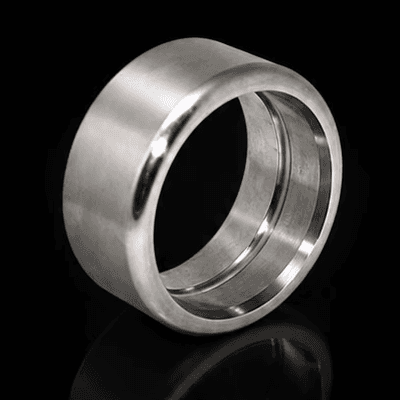
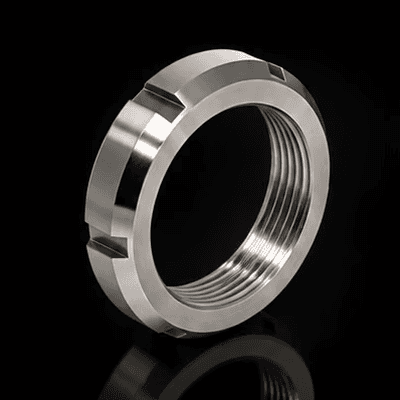
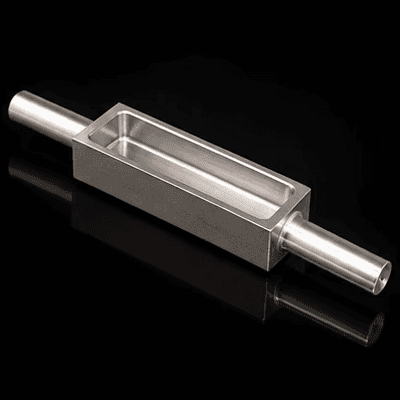
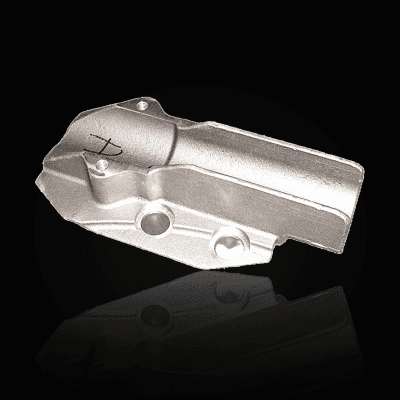
Our forged products.

Our forged products.

Our forged products.

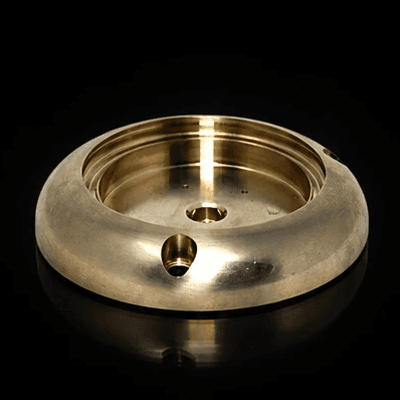
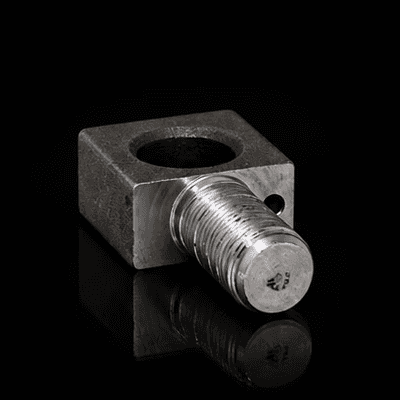
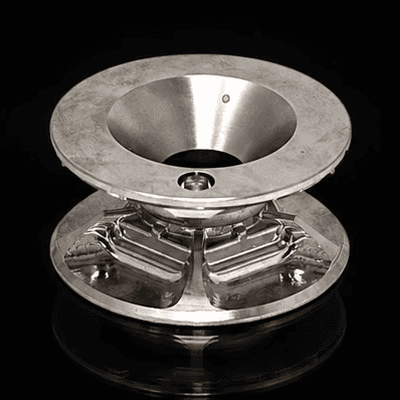
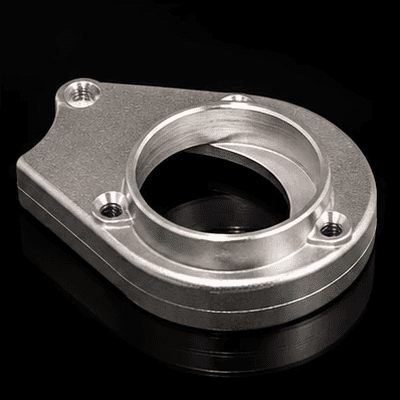
A selection of components made by forging, to drawing or sample, with geometries,

materials and mechanical properties designed to meet the needs of each application.

A selection of components made by forging, to drawing or sample, with geometries,

materials and mechanical properties designed to meet the needs of each application.

A selection of components made by forging, to drawing or sample, with geometries, materials and mechanical properties designed to meet the needs of each application.

FORGING FAQ

FORGING FAQ

Everything you need to
know about forging.

Everything you need to know about forging.

Everything you need to
know about forging.

Materials, geometries and quantities all affect the choice of process. Here are useful answers for evaluating a forged component.

Materials, geometries and quantities all affect the choice of process. Here are useful answers for evaluating a forged component.

When is forging the right choice?

Forging should be considered when the component must withstand repeated loads, impact or high stresses. Deforming the metal makes it possible to orient its grain flow and, with the correct heat cycle, obtain the required properties. The benefit depends, however, on the alloy, the shape and the direction of the loads. Complex undercuts, closed cavities and very thin walls may make another technology preferable or require additional machining. EDR compares drawing, material and volumes to assess whether hot stamping offers a suitable balance between performance, tooling and the cost of the finished component.

What tolerances can be achieved on a forged part?

A distinction must be made between dimensions obtained directly from stamping and those produced by subsequent machining. In hot stamping, shrinkage, die wear and geometry affect the precision of the blank. Bearing seats, sealing surfaces, threads and fits may require CNC finishing or grinding. For this reason the drawing must specify tolerances, datums and roughness on functional surfaces. EDR assesses the machining allowance and the sequence of operations before sampling, without applying a single tolerance to the whole part.

What batch sizes justify a die?

The economically suitable batch depends on die complexity, material, weight and final machining. Expected demand over time should also be factored into the cost: a small initial order may be part of a recurring series. EDR assesses the tooling investment together with quantities and delivery frequency. Minimum quantity and lead times are defined in the quotation; sampling serves to verify the component before the series starts and is not a standalone prototyping service.

Which materials are suitable for hot stamping?

Carbon, alloy and stainless steels are used, as well as aluminium and copper alloys suitable for deformation. Choosing the grade requires checking forgeability, performance, treatments and availability at the selected manufacturer.

What checks are provided for stressed parts?

In addition to dimensional checks, hardness and tensile tests and non-destructive testing may be requested. Method, sampling and acceptance criteria depend on the material and function of the part and must be agreed before production.

Do dedicated dies remain the customer's property?

Dedicated tooling remains the customer's property. EDR coordinates its custody and maintenance at the partner. Die identification, expected life and transfer conditions must be defined in the supply agreement.

Are treatments and CNC finishing integrated?

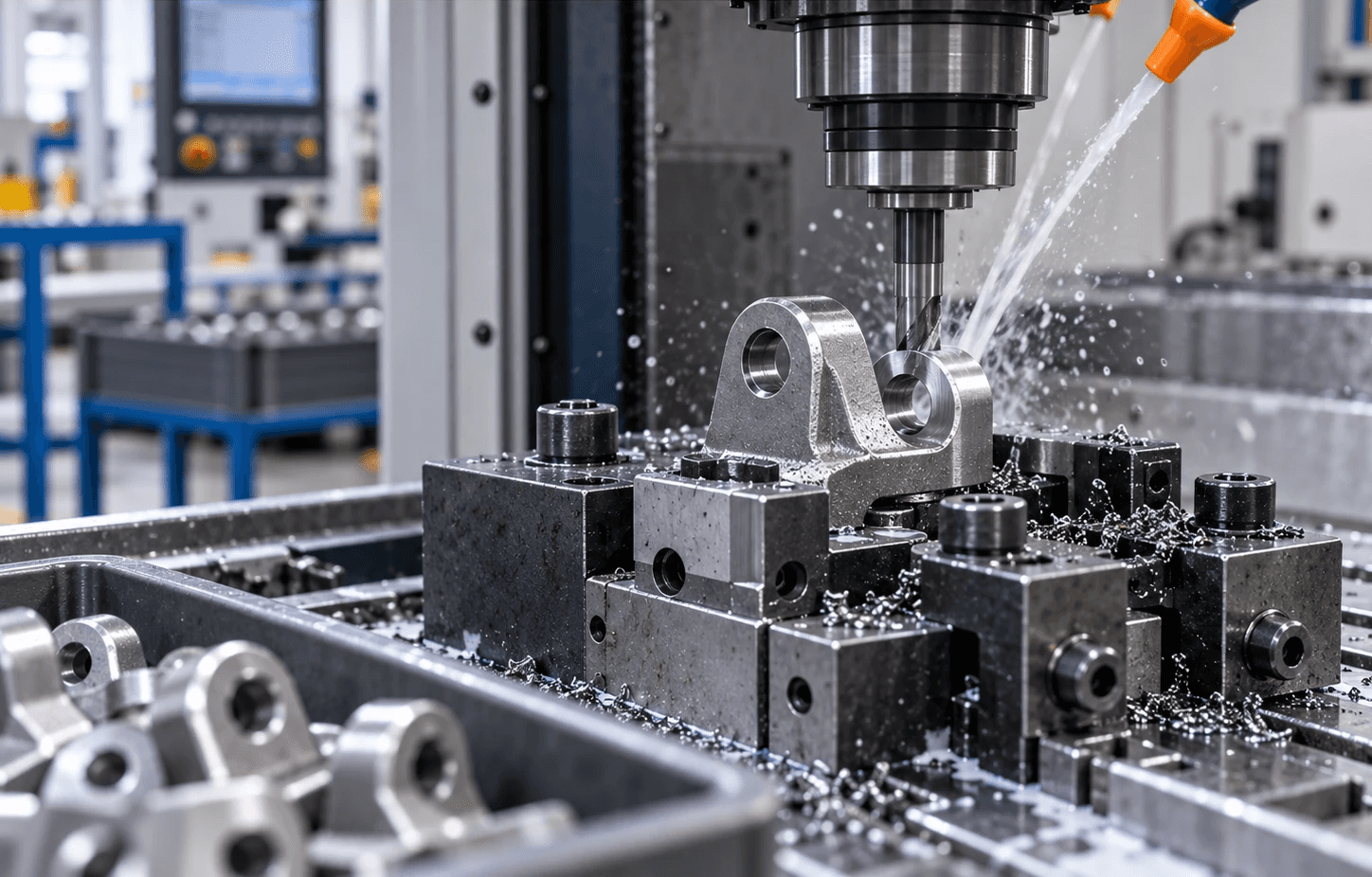
The forged part can be completed with heat treatments and machining on functional surfaces. The sequence depends on the alloy and the required dimensions: it must be defined also taking into account the dimensional changes the treatments may introduce.

What is needed to estimate production and delivery?

We need an up-to-date drawing, material, quantity and required date. Dies, sampling, treatments and inspections affect lead times. EDR coordinates the manufacturer and logistics by defining the supply schedule.
REQUEST A TECHNICAL ANALYSIS

Have a component to make by forging?
Let's assess it together.

Have a component to make
by forging? Let's assess it together.

Have a component to make by forging?
Let's assess it together.

Send us your technical drawing and the main project requirements. We will analyze geometry, material, quantity, tolerances and finishes to verify feasibility and define the most suitable production solution.

Send us your technical drawing and the main project requirements. We will analyze geometry, material, quantity, tolerances and finishes to verify feasibility and define the most suitable production solution.

Send us your technical drawing and the main project requirements. We will analyze geometry, material, quantity, tolerances and finishes to verify feasibility and define the most suitable production solution.

Send your technical drawing [DWG]

Create a free website with Framer, the website builder loved by startups, designers and agencies.

Website by SqualiOnline™